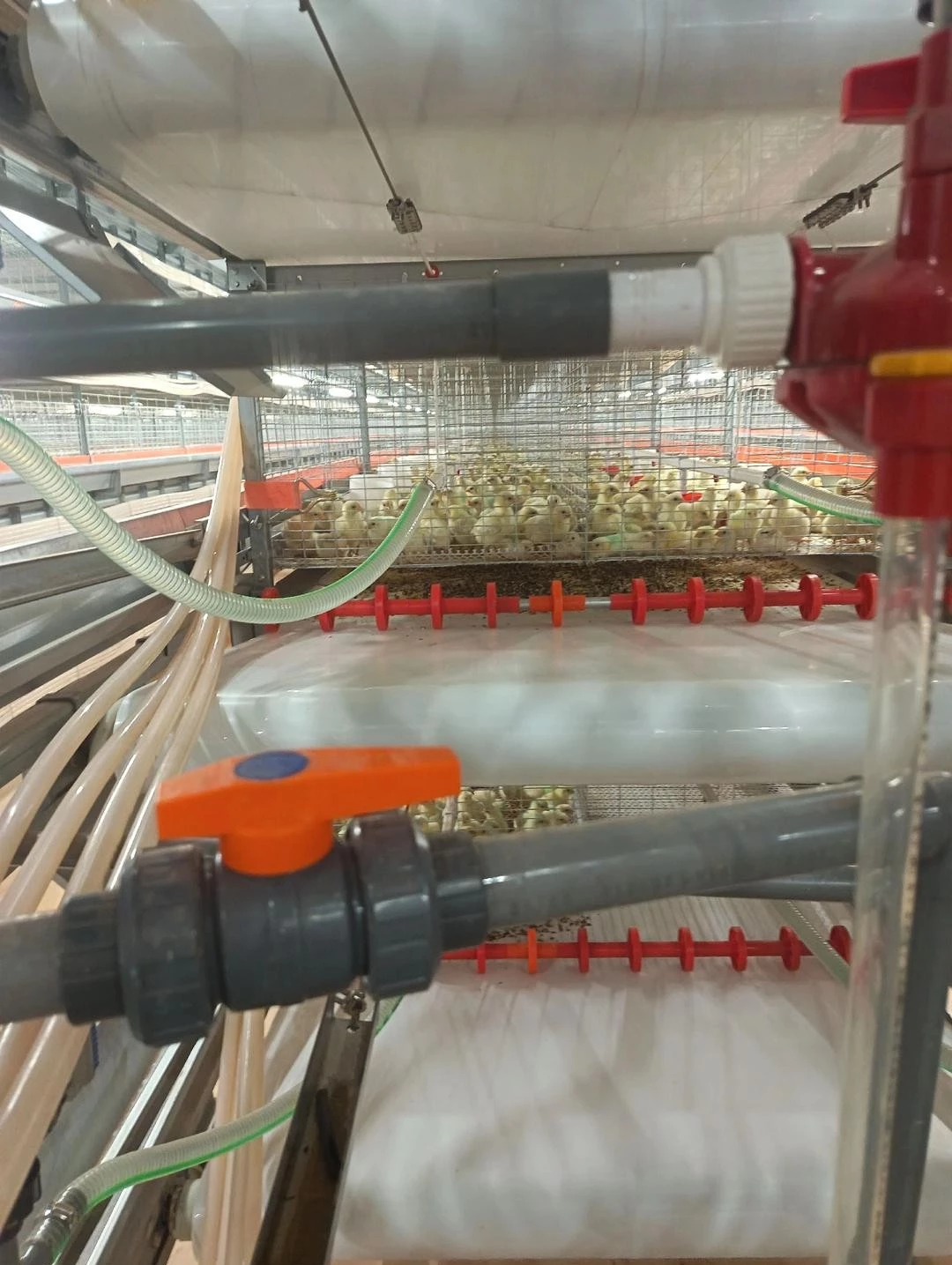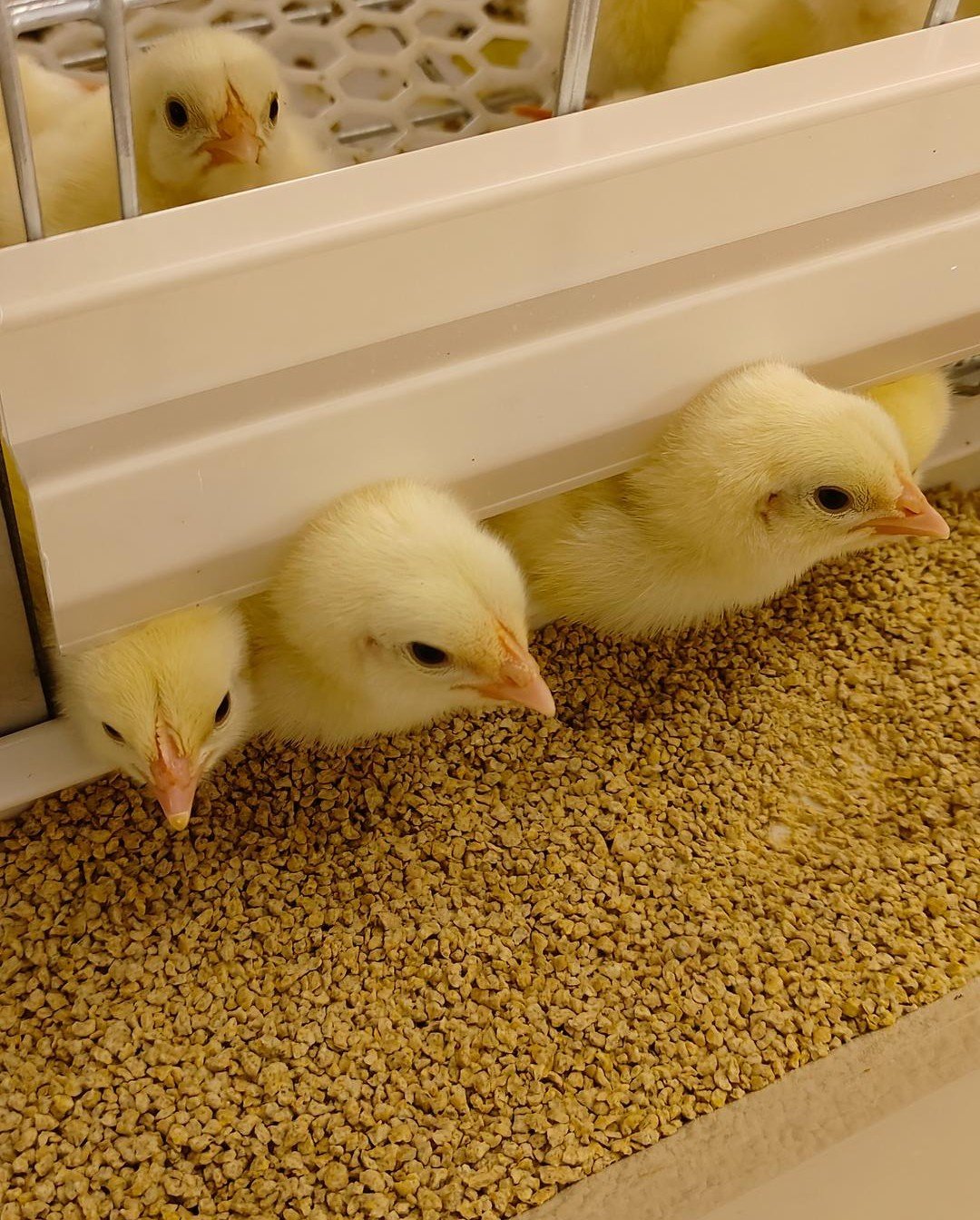

Layer Hen Rearing and Management in a battery system in poultry
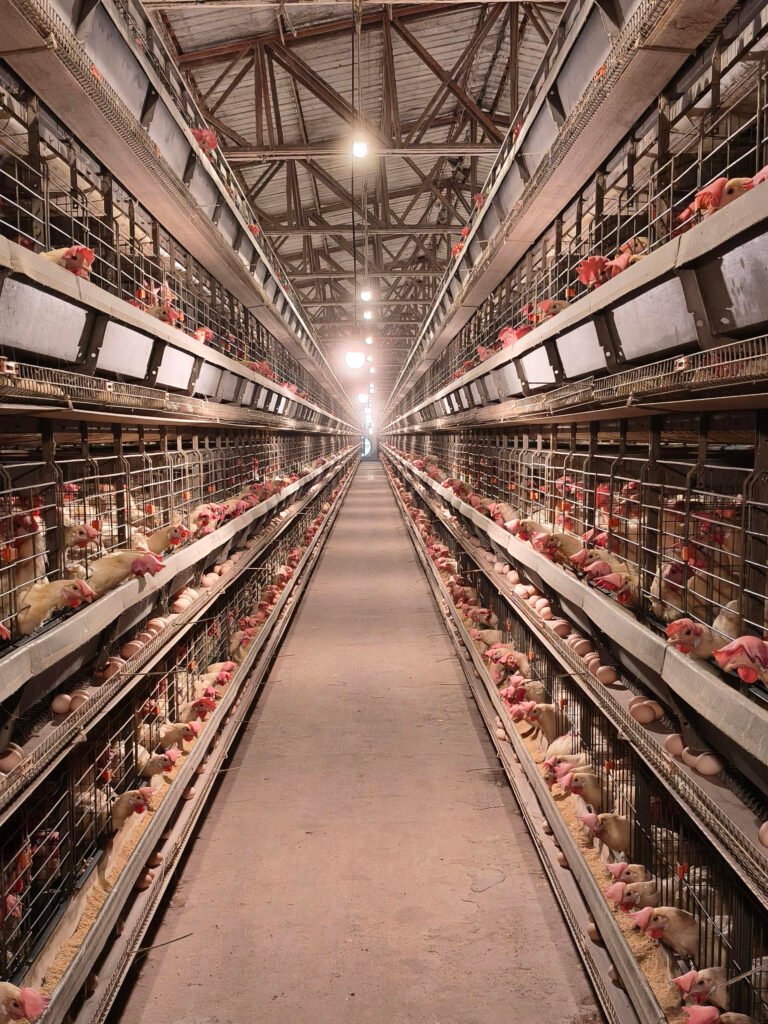
I. Improving Uniformity of Replacement Pullets in a Battery System
The uniformity of replacement pullets serves as a critical indicator of successful rearing in a battery system in poultry. Small physical differences and synchronized development enable simultaneous sexual maturity, consistent onset of lay, and higher peak production. To enhance uniformity from the chick stage, implement scientific management of temperature, humidity, feed, density, and vaccinations. Additionally, consistently separate strong and weak chicks for rearing, strengthening nutrition for weaker individuals within the battery system.
II. Controlling Age at Sexual Maturity
Sexual maturation timing correlates with both environmental and genetic factors. Rational lighting serves as a key measure for control, particularly in a battery system in poultry. Layers generally become sensitive to light stimulation after 12 weeks, which promotes sexual maturity. Establish scientific lighting protocols to synchronize physical and sexual maturity, ensuring full production potential. Specifically, use lighting to regulate maturation timing around onset of lay. Decisions regarding light extension should be based on body weight samples at 18 or 20 weeks. If standards are met, increase light duration by 1 hour weekly from 18/20 weeks until reaching 16 hours. If weights are substandard at 20 weeks, delay light extension by one week while enhancing nutrition.
III. Achieving Standard Body Weight in Battery Systems
Body weight represents a crucial growth indicator for battery systems in poultry. Skeletal development (measured by tibia length) correlates directly with future egg weight and shell strength. Achieving both standardized weight and skeletal development by onset of lay indicates physical maturity. Different breeds have specific weight standards; excess weight or obesity impairs reproductive function. If weight meets standards but tibia length does not, this indicates excess fat deposition that negatively impacts egg production and shell quality. Weight adjustment principles require energy management based on adequate protein provision, where increased energy intake accelerates weight gain. Therefore, regularly monitor both weight and tibia length during rearing, implementing corresponding measures to achieve dual standards at lay onset.
IV. Strengthening Scientific Management During Lay
- Maintain optimal temperature range (13-23°C). Temperatures outside this range reduce production and shell quality, requiring winter warmth preservation measures in battery systems.
- Ensure adequate ventilation. Ventilate during warmer hours (11:00-14:00) with staggered inlets to avoid drafts while maintaining warmth.
- Implement rational lighting programs. Gradually increase (never decrease) duration and maintain intensity to stimulate lay onset and peak production.
- Execute comprehensive sanitation: Regularly clean and disinfect feeders/drinkers to prevent disease.
- Minimize stressors: Sudden environmental changes cause stress leading to reduced feeding, production drops, and soft-shell eggs. Establish standardized operating procedures for all battery system operations.
V. Post-Peak Production Management
- Implement feed restriction to prevent obesity and maintain production persistence.
- Promptly cull sick/weak birds showing lethargy, pale/combs, or mobility issues to prevent cage deaths.
- Prevent premature aging: prolonged peak production causes negative energy balance, weight loss, and early molting.
VI. Strict Feed Quality Control
- Prohibit moldy feeds and inferior additives.
- Provide complete compound feeds meeting breed nutritional standards.
- Manage dietary transitions gradually: Adjust nutrients based on temperature changes and phased feeding, avoiding abrupt formulation changes.
VII. Rational Medication During Lay
Prioritize prevention over treatment. Most vaccinations conclude pre-lay. During production (especially peak), nutrients prioritize egg production and weight gain, making vaccinations and deworming unsuitable for battery systems in poultry.