A Comprehensive Guide to Disinfection and Site Management in an Automatic Poultry Farm
The development of the logistics and transportation industry, while facilitating the movement of live poultry and eggs, has also created pathways for disease spread, turning regional epidemics into national challenges. Furthermore, many diseases, such as Infectious Laryngotracheitis (ILT) and Mycoplasma, are difficult to eradicate once introduced into a farm. The fallowing period—the time when the farm is empty—is a critical strategy for breaking the chain of disease transmission between flocks. Effective fallowing management is essential for maximizing flock performance and economic returns in an automatic poultry farm.
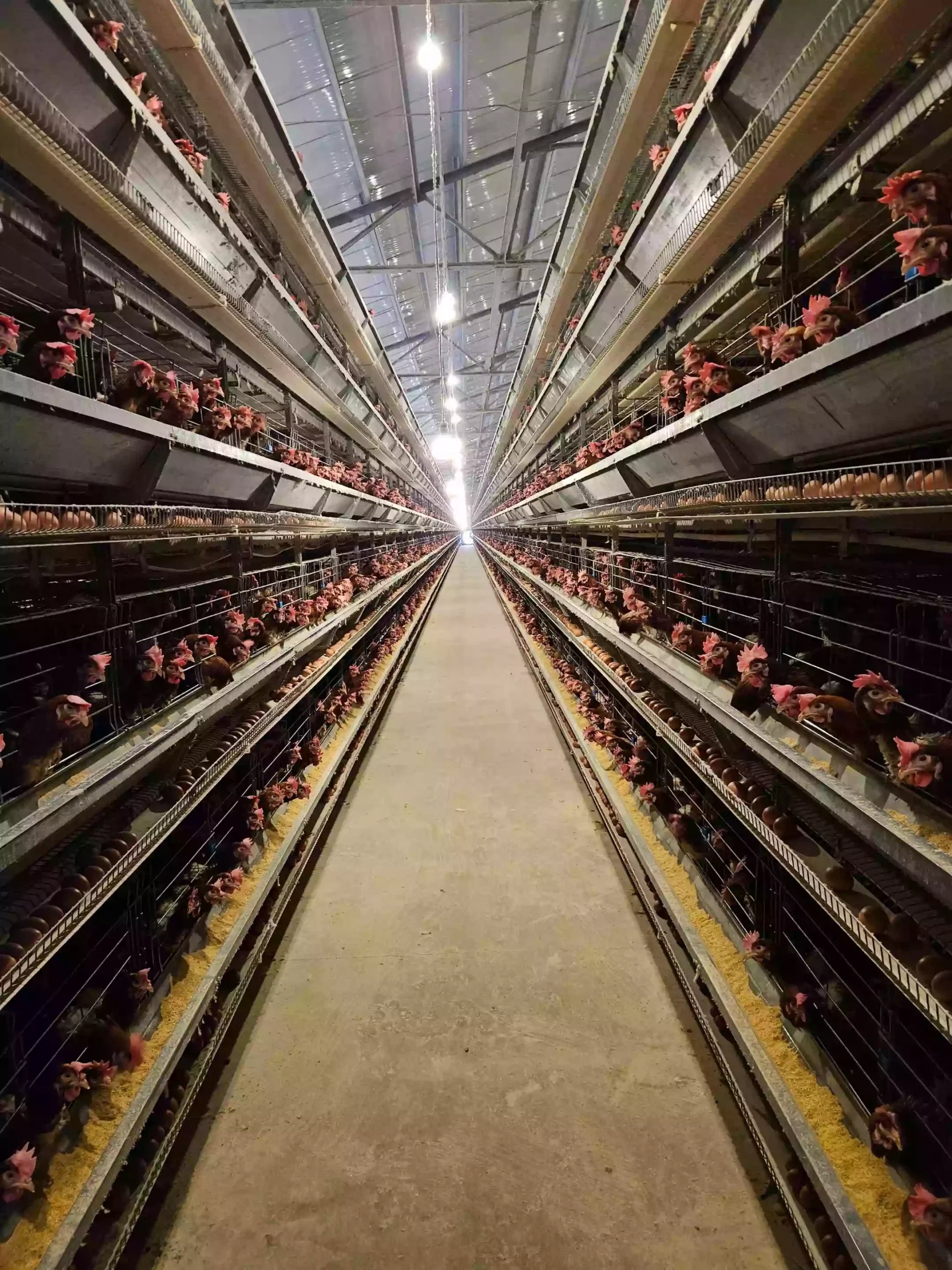
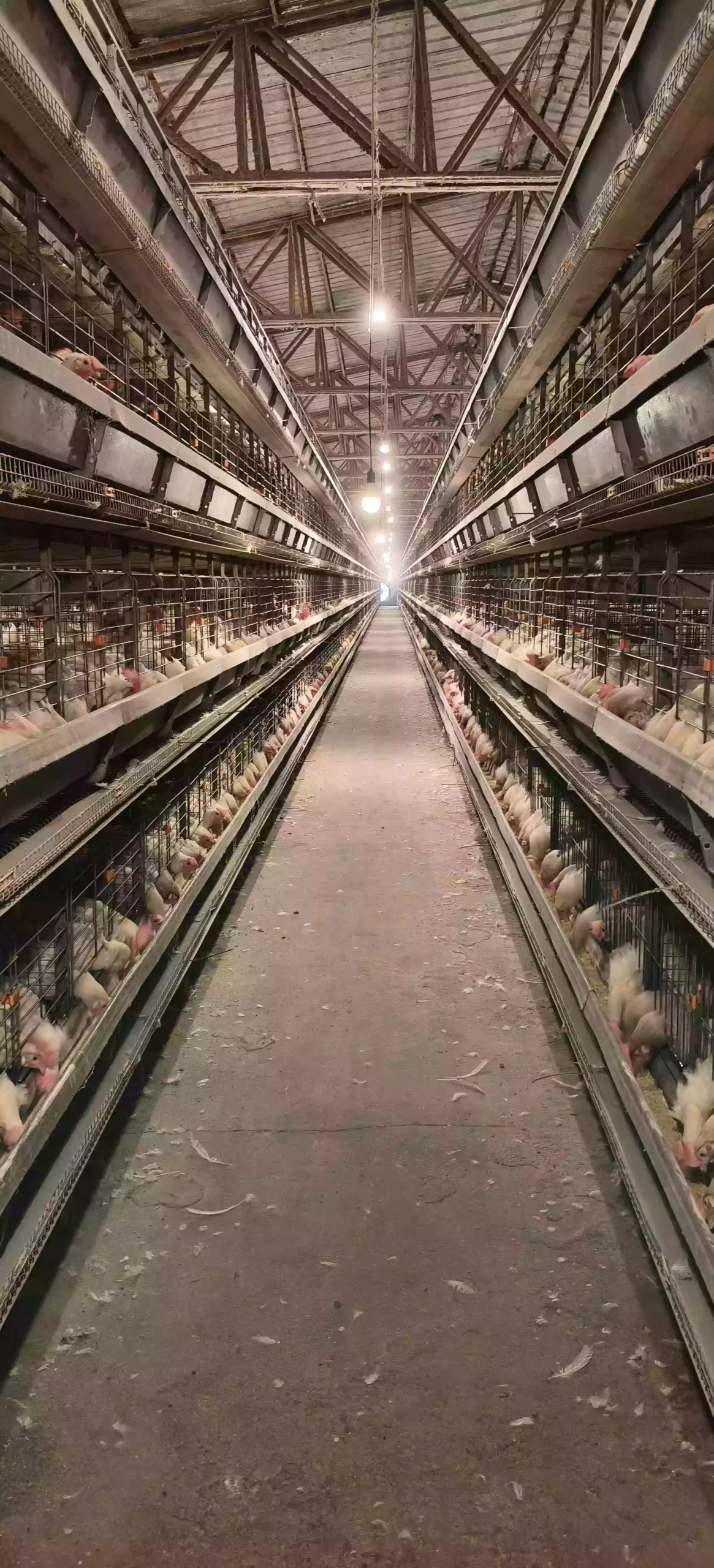
To implement a thorough fallowing protocol, the farm is divided into three biosecurity zones based on proximity to the birds: The poultry house, due to direct bird contact, is the Primary Zone; the production area outside the houses is the Secondary Zone; and the office, living quarters, and auxiliary facilities constitute the Tertiary Zone. Each zone requires specific control measures.
I. Principles of Fallowing Management
The core principle is the complete removal of all contaminants from the previous flock, ensuring no carry-over infection. Fallowing is a phased process, considered complete only after the entire premises are thoroughly cleaned and disinfected. Work must proceed from the inside out—the Primary Zone must be fully cleaned and sanitized before moving to the next.
II. Primary Zone (Poultry House) Decontamination
This zone requires the most rigorous process, aiming for zero feathers, feces, dust, eggs, or feed residue. The sequence for an automatic poultry farm house is: Remove, Sweep, Wash, Flame, Dry, Repair, Spray, and Fumigate.
- Remove: All movable equipment (feeders, drinkers) must be cleaned and removed from the house. This prevents recontamination. Automated feed lines should be run to evacuate residual feed. Water lines must be cleaned with specialized agents, flushed, and dried.
- Sweep: A top-down, front-to-back sweeping removes dust, manure, feathers, and debris. Ceilings and hard-to-reach areas are critical. Feathers should be collected or pre-burned with a flame gun to prevent clogging drains during washing. Solidified egg material and manure buildup on belts and in pits require meticulous scraping.
- Wash: Following the same top-down principle, soak cages and equipment before high-pressure washing. Unidirectional washing minimizes recontamination from splash-back.
- Flame: Use a flame gun on cages and floors to destroy oocysts (e.g., from coccidia) and burn off remaining organic matter like feathers.
- Dry: Allow the house to dry completely (at least 7 hours with ventilation) to inhibit microbial growth and prepare surfaces for effective disinfection.
- Repair/Replenish: Repair damaged equipment. Seal hard-to-clean areas to simplify future clean-outs. Reintroduce sanitized equipment needed for the next flock.
- Spray: Conduct a thorough disinfection using a broad-spectrum disinfectant like glutaraldehyde, ensuring all surfaces are coated.
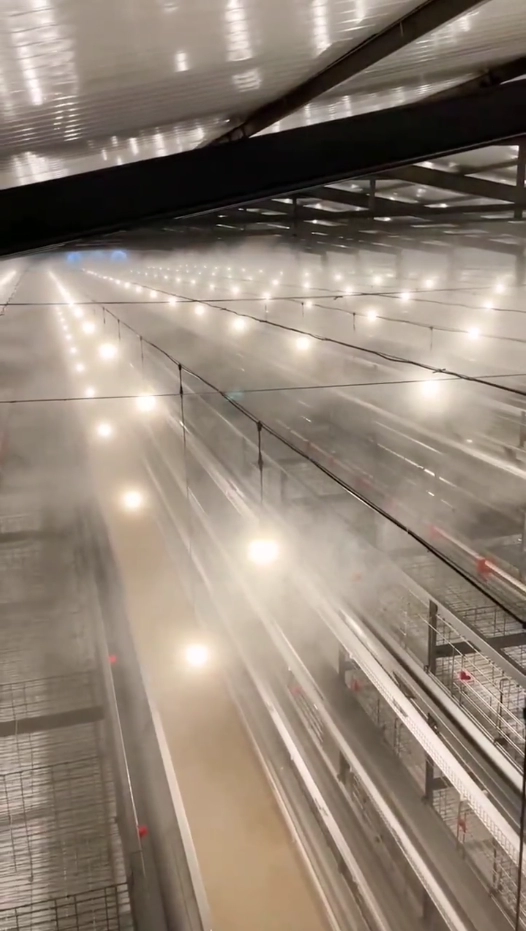
- Fumigate: The final step. Traditional formaldehyde fumigation (48 hours) is effective, but fogging with glutaraldehyde is a faster, environmentally friendlier alternative. The house must remain sealed until flock placement.
III. Secondary Zone (Production Area) Decontamination
Focus here is on external contamination points: the manure removal path (“dirty road”), wastewater wells, and areas near exhaust fans. The dirty road must be scrubbed and disinfected with caustic soda. Soil near exhaust fans should be tilled and mixed with lime. Manure handling equipment must be cleaned residue-free. Open areas can be tilled and treated with lime. Feathers and debris should be incinerated.
IV. Tertiary Zone (Ancillary Areas) Decontamination
This includes offices, break rooms, warehouses, and pharmacies. These areas require general cleaning and disinfection of surfaces, tools, and stored items, with special attention to high-traffic zones.
V. Additional Critical Tasks
- Rodent Control: Essential, as rodents carry Salmonella and influenza. Professional pest control is recommended.
- PPE Cleaning: All workers’ clothing and boots must be cleaned and disinfected after all zones are processed.
Conclusion
Fallowing management is a systematic engineering project crucial for any automatic poultry farm. A disciplined, inside-out approach is key to preventing batch-to-batch disease transmission. In today’s context of heightened environmental awareness, it is also vital to prevent secondary pollution, thereby reducing both workload and environmental impact.