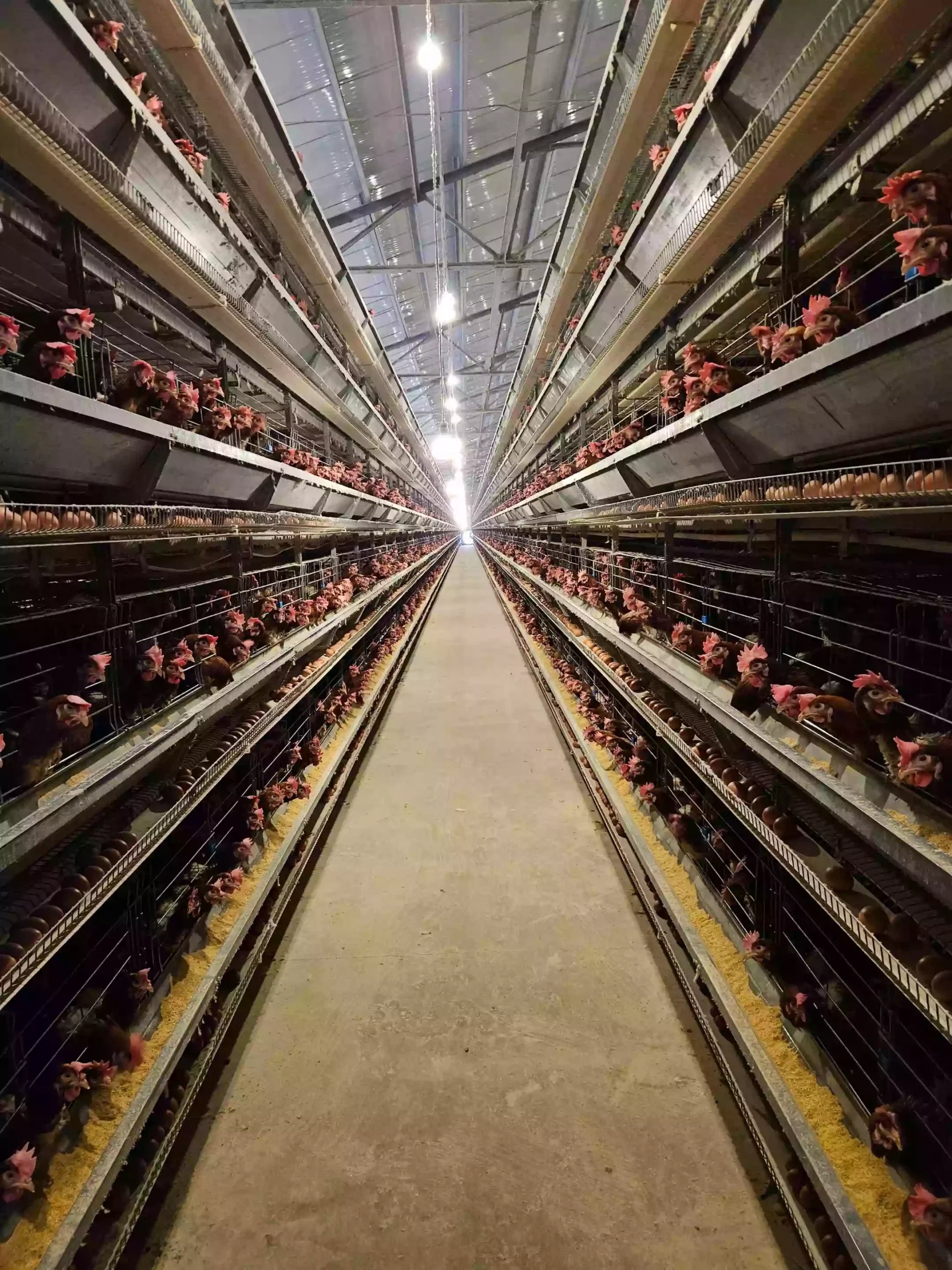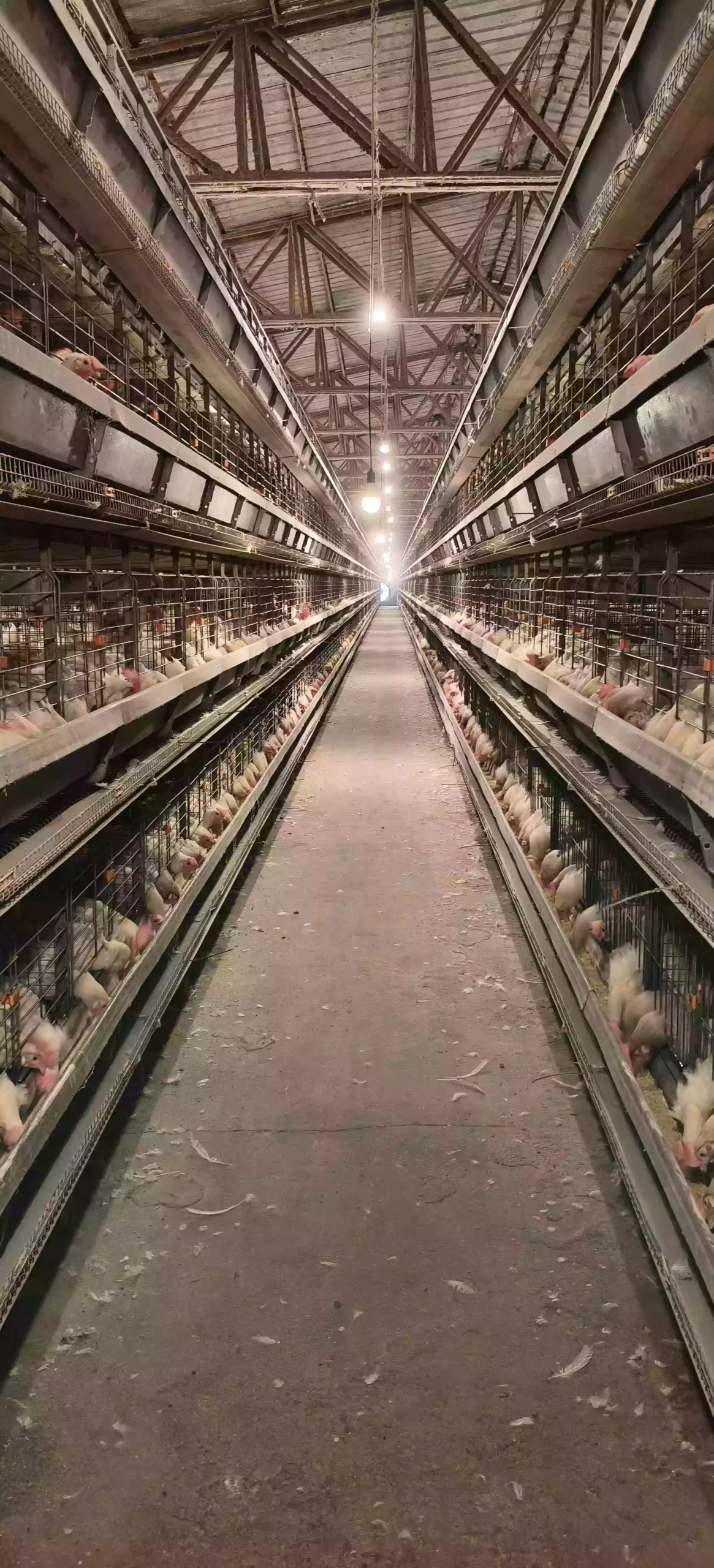

Low-maintenance and profitable layer breeds for Cage Farming Chickens
There is a wide variety of layer breeds, each with distinct production performance and characteristics. Choosing a breed for Cage Farming Chickens might not seem like a daunting task, as we have a simple method to decide: reference! Refer to nearby farmers with good results or large-scale local farms. We can visit and consult them. If you’re wondering which breed is easier to manage and more profitable, would you like to know more? Today, I’ll provide a detailed analysis of the pros and cons of different breeds.
Classification by Eggshell Color
Layer breeds can be categorized by eggshell color into brown-shell, pink-shell, white-shell, and green-shell varieties. Their advantages and disadvantages are quite distinct.

For example, the pros and cons of brown-shell and pink-shell layers are as follows:
- Brown-Shell Layers:
- Advantages: Tolerant of lower-quality feed, good cold resistance, larger egg size, lower probability of pecking vices, lower mortality.
- Disadvantages: Larger body size, higher feed intake, higher risk of fatty liver syndrome later, eggshell quality issues like speckled eggs.
- Pink-Shell Layers:
- Advantages: Smaller body size, lower feed intake, strong adaptability, attractive eggshell appearance, high nutritional value.
- Disadvantages: More high-strung/nervous, poorer stress resistance, prone to pecking vices (especially in open or semi-open houses), thus more suitable for intensive, closed-house Cage Farming Chickens.
Classification by Chick Source
Cage Farming Chickens can also be subdivided by chick source, such as the Hy-Line series, Lohmann series, Yukou Jing series, Dawu Jinfeng, and Nongda series. Production performance varies among these breeds. Currently, most breeds farmed domestically originate from these companies.

While brown-shell layers were more common before, with continuous improvements in breeding technology, pink-shell layers are becoming increasingly popular. In some regions, pink-shell eggs are sold by the piece, making egg weight less critical while fetching a higher price, leading to a significant increase in the scale of pink-shell layer farming.
Regarding which breed is truly easier and more profitable, here are a few suggestions:
- For houses with poorer farming conditions, brown-shell layers might be better due to their hardiness.
- Choosing a breed based on local market demand facilitates sales.
- This is heavily influenced by individual management skills and rearing conditions. Production performance is closely tied to management. It’s common to hear of significant differences in peak lay rate, mortality, and overall batch cost—often calculated in tens of thousands—even with the same breed and batch. Instead of overthinking which breed is easier, we should focus on learning professional management knowledge to improve production performance.
Below is a simple statistical overview of the production performance of common breeds in the domestic market for your Cage Farming Chickens reference.
| Breed | Feed Intake During Lay (g/hen/day) | Egg Production Performance (kg) | Eggs per Hen | Average Egg Weight (g) |
|---|---|---|---|---|
| Hy-Line Brown | 112 | 19.7 | 324.5 | 63 |
| Hy-Line Pink | 110 | 20.1 | 325.5 | 63 |
| Hy-Line Gray | 106 | 20.5 | 325.5 | 64 |
| Lohmann Brown | 115 | 19.27 | 340 | 61 |
| Lohmann Gray | 112 | 19.17 | 355 | 58.5 |
| Lohmann Pink | 114 | 19.17 | 345 | 60.5 |
| Jinghong (Beijing Red) | 111 | 20.4 | 331 | 63 |
| Jingfen (Beijing Pink) | 110 | 19.6 | 322 | 63.5 |
| Dawu Jinfeng | 107 | 19.8 | 330 | 61.5 |
| Nongda Layer | 89 | 17.5 | 300 | 56 |
(Note: Data is compiled from breeding guides; please contact the editor for any inaccuracies).