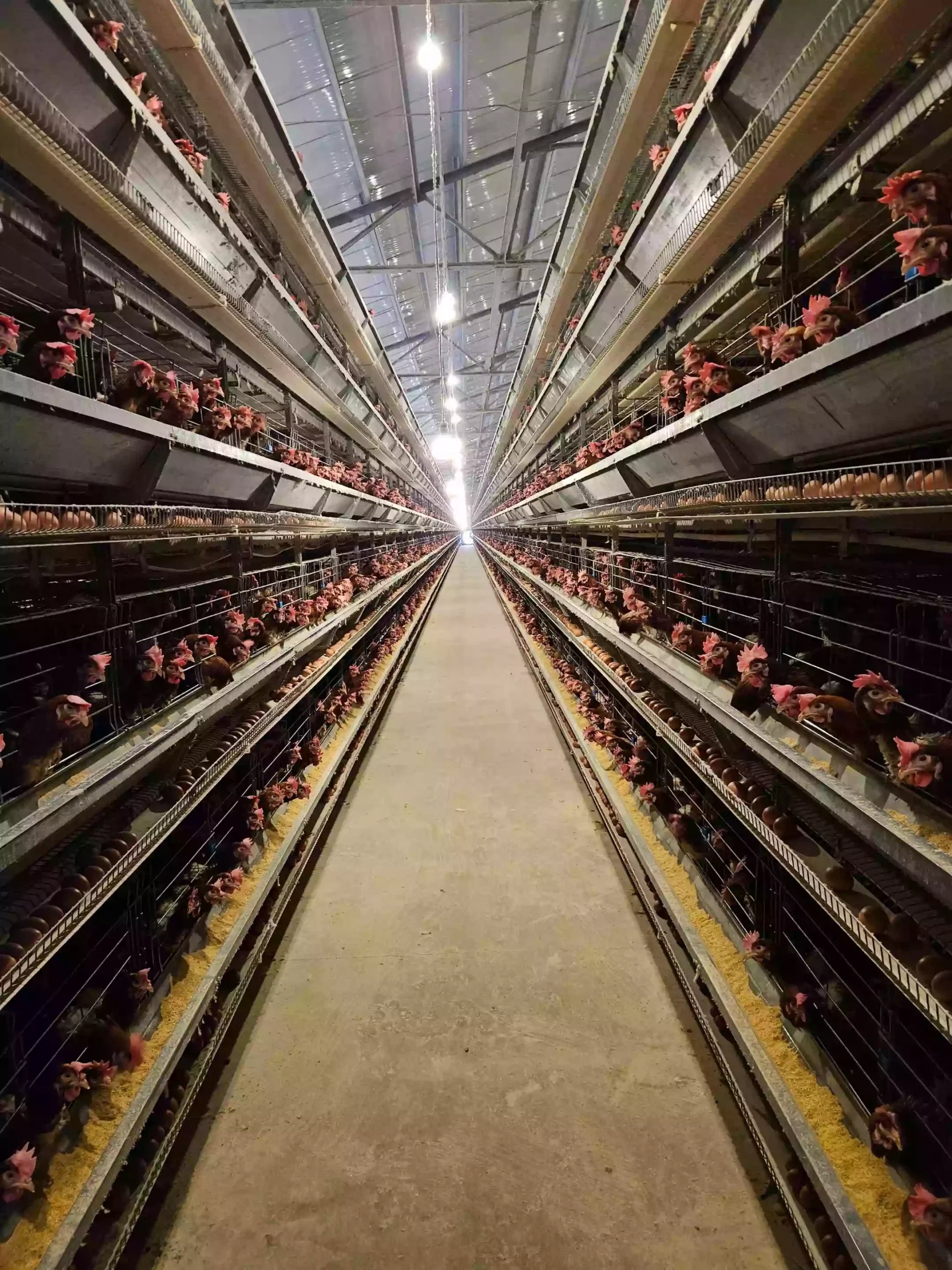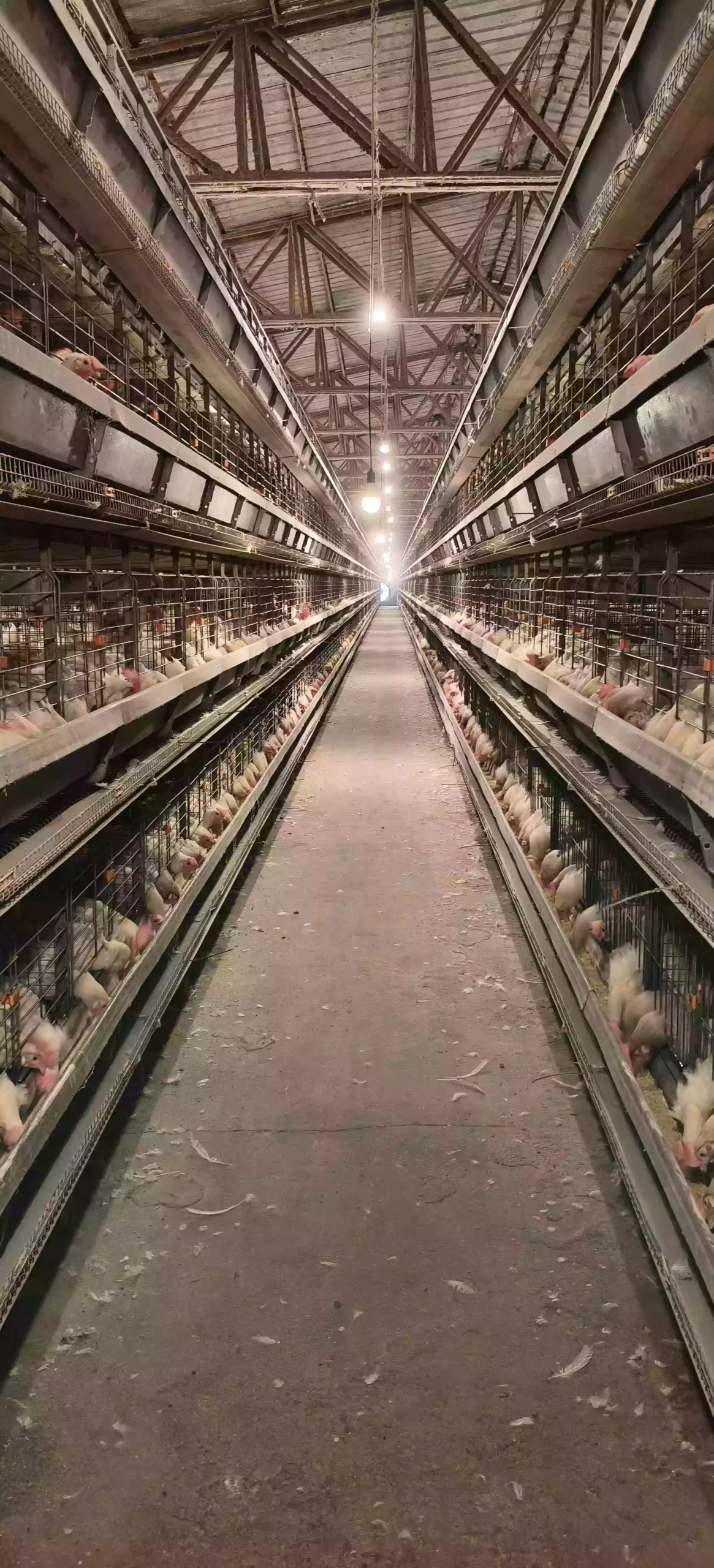

Broiler Cage Farming: Understanding Physiological Characteristics and Management Considerations

Understanding the physiological characteristics of broilers is crucial for identifying and resolving common issues in production. Let’s explore the key considerations in broiler management, with a focus on broiler cage farming.
1. Introduction to Broilers
Broilers are classified based on their production traits. Biologically, chickens belong to the class Aves (birds) under vertebrates. No bird is naturally inclined to develop excessive muscle mass; evolutionarily, birds reduce weight to facilitate flight. However, shifts in human lifestyle from hunting to domestic animal rearing led to the development of chickens. Over time, they lost their flight capability, becoming a primary source of animal protein. Advances in technology, especially breeding, have directed animal growth toward human needs, resulting in layers (for eggs), broilers (for meat), gamecocks, and ornamental breeds. Broilers themselves are further categorized (e.g., white-feathered, yellow-feathered, indigenous varieties), with differing meat qualities—a result of market and economic drivers. While human intervention has broken natural evolutionary balance to suit our needs, it has also led to the loss of many desirable traits during artificial selection.
2. Characteristics of Broilers
Broilers are characterized by short rearing cycles, high feed conversion ratios, rapid weight gain, and quick economic returns. However, they also have low immune function, poor stress tolerance, high disease susceptibility, and demanding management requirements. Their main physiological features are outlined below.
2.1 Circulatory System Characteristics
Rapid weight gain in broilers is primarily due to muscle/fat deposition and skeletal growth—components of the musculoskeletal system. Other systems, like the circulatory and immune systems, struggle to keep pace. Fast muscle and bone growth requires substantial blood supply, necessitating accelerated blood cell production and cardiopulmonary output. However, most white-feathered broilers reach over 2 kg by 42 days, yet their hearts remain underdeveloped (“chick-like”). The pump capacity cannot sustain such body mass, making the heart prone to failure under significant stress, leading to Sudden Death Syndrome (SDS).
2.2 Respiratory System Characteristics
Similarly, the respiratory system develops slowly. Respiratory infections force the lungs to compensate by increasing oxygen supply, causing rapid, deep breathing. All venous blood returns to the right atrium for re-oxygenation via pulmonary circulation. Cardiopulmonary issues impede blood return, increasing venous pressure in abdominal organs (intestines, liver, spleen, stomach, pancreas), forcing plasma and tissue fluid into the abdominal cavity—a key cause of Ascites Syndrome in broiler cage farming.
2.3 Immune System Characteristics
Many broilers are marketed at weights far exceeding norms for their age, yet they remain physiologically immature (pre-pubertal). The immune system typically matures around sexual maturity, so broilers have relatively low immunity. This manifests as weak natural barriers (skin/mucosa), slow immune responses (lymphocytes, granulocytes, macrophages), and delayed humoral/cellular immunity—making them susceptible to acute disease outbreaks.
2.4 Musculoskeletal System Characteristics
The musculoskeletal system (muscles, bones) develops rapidly, but not harmoniously. Excessive muscle weight strains bones that are high in organic matrix and less calcified, especially leg bones, causing deformities. To reduce leg stress, broilers spend over 95% of their time resting, relying on breast muscles for support, which predisposes them to leg deformities and arthritis.
3. Management Considerations in Broiler Cage Farming
Understanding these biological traits allows farmers to implement management practices that maximize performance and minimize disease. Since physiological traits are inherent, management must adapt to them.
- Feeding Strategy: Adopt “little and often” feeding to utilize feed efficiently and prevent gorging after hunger, which overloads metabolism and causes oxygen deficit.
- Heat Stress Management: In hot weather, broilers cool via panting, exhaling excess CO2 and risking respiratory alkalosis. Supplement electrolytes and minerals. Adjust feed formulation if ascites is detected.
- Immunization: Leverage the existing immune capacity by vaccinating (live attenuated/inactivated) to stimulate antibodies and prevent pathogen invasion. Post-15 days, supplement with Astragalus extract or polysaccharides in water to boost flock immunity.
- Leg Health: Prevent mechanical injury from slats in broiler cage farming. Reduce stocking density to avoid trampling. For free-range systems, provide a sand bath to promote leg activity and relieve pressure.
- Environmental Control: Maintain stable temperature (fluctuations <4°C) and humidity (fluctuations ~5%). Ensure daily ventilation and timely manure removal. Implement a lighting schedule suited to the growth stage and avoid changing stockpersons within a cycle.
- Daily Monitoring: Assign staff to inspect the flock at least three times daily (morning, noon, evening), observing behavior and listening for respiratory sounds. Success lies in meticulous attention to detail.