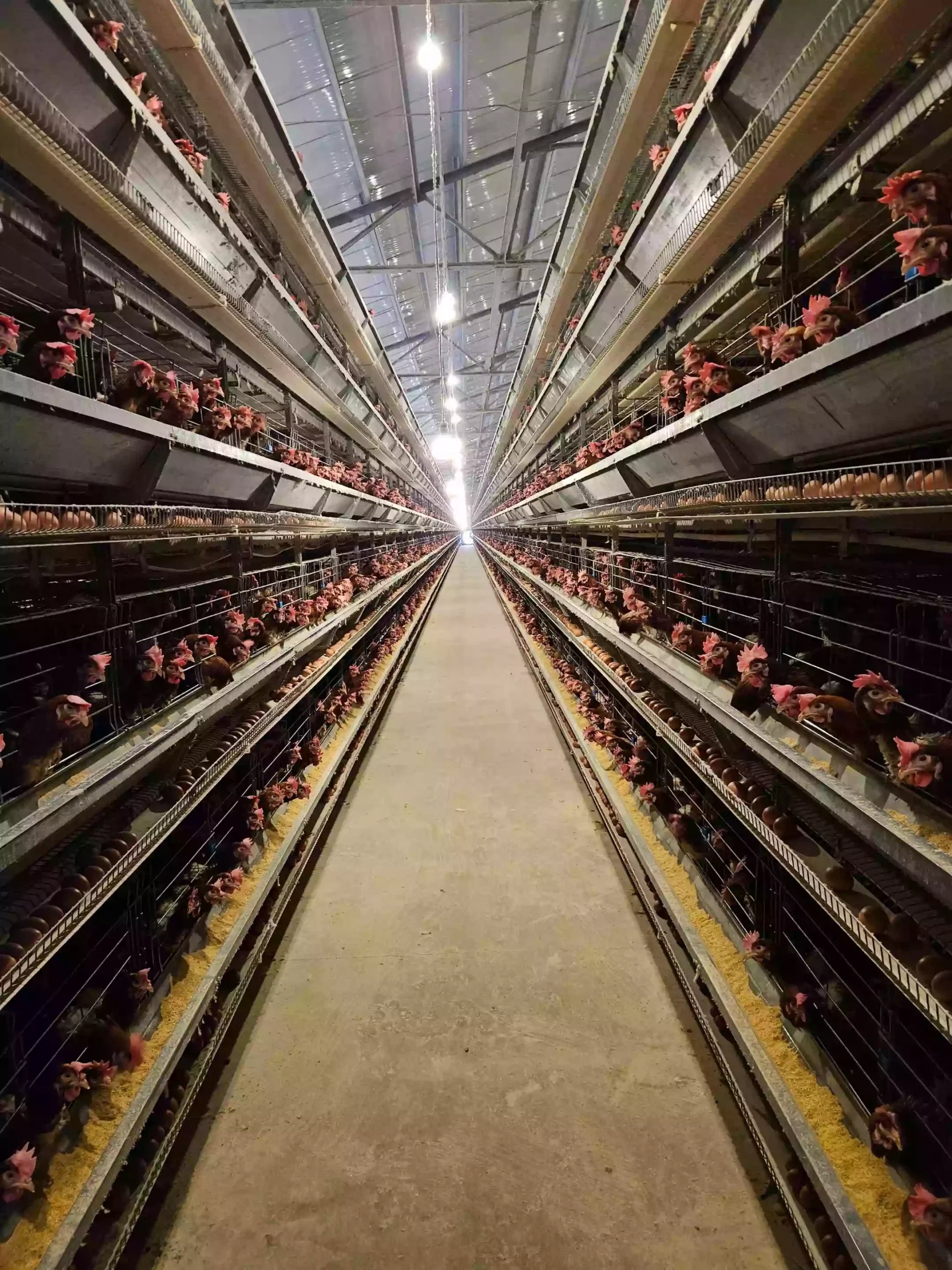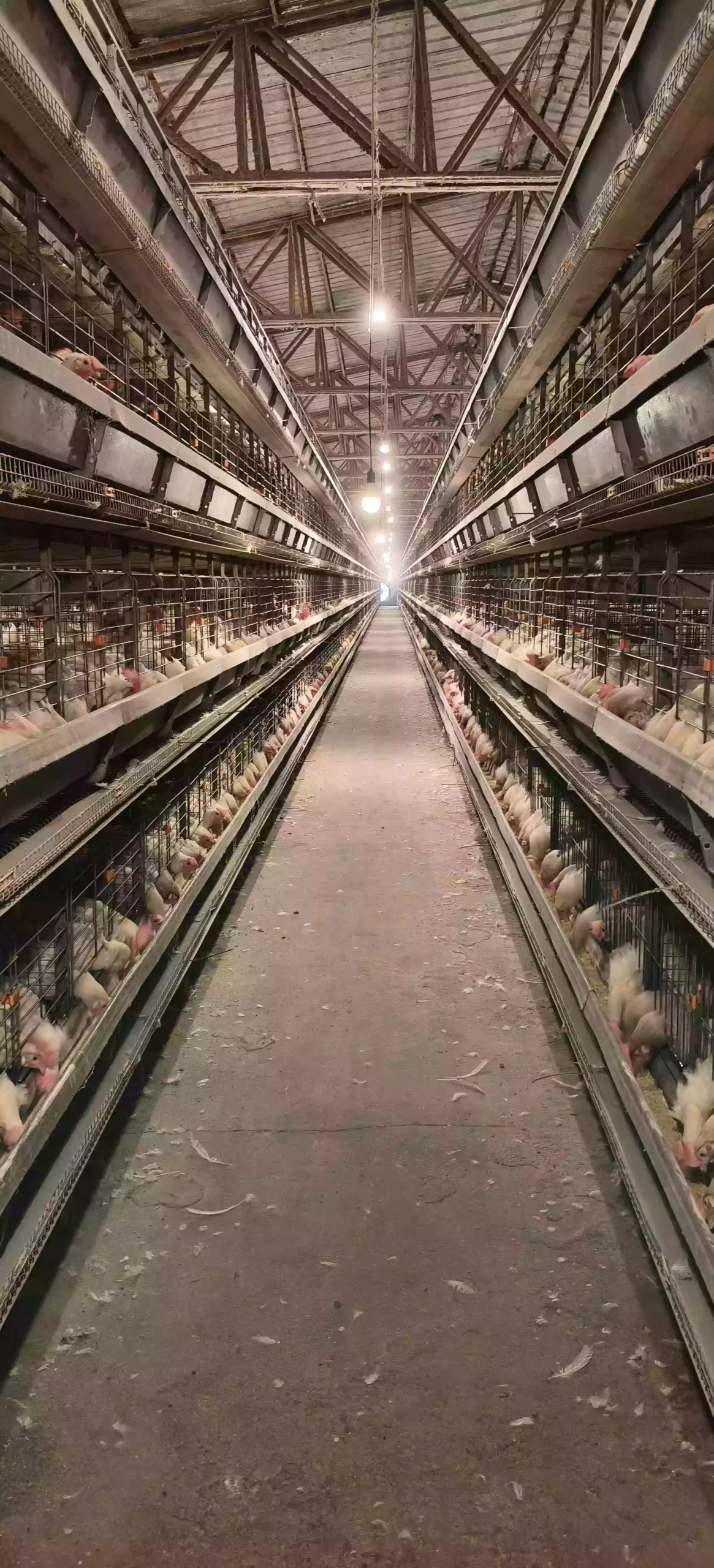

Characteristics and Data-Driven Management Essentials During the Pullet Rearing Period for an Automatic Layer Farm

The scale of the layer farming industry continues to expand, yet profit margins are shrinking. Increasing environmental pressures, rising feeding costs, and limited available land are driving new changes in farming structures. This has led to the rise of specialized pullet-rearing operations. However, the relatively low entry barrier and technical requirements of the industry have attracted speculative operators focused solely on profit. Common detrimental practices include blindly increasing stocking density, manipulating light programs, employing poor management, and implementing inadequate disease prevention. These cause significant economic losses for farmers, resulting in issues like frequent disease outbreaks, failure to reach peak production, and high mortality rates. How can these problems be solved? The answer lies in strict adherence to proper husbandry management protocols. Furthermore, layer farmers must develop a clearer understanding of industry standards.
Physiological Characteristics of the Pullet Phase:
- Early Rearing Period: Rapid growth of bones, muscles, and organs of the digestive and circulatory systems.
- Mid Rearing Period: Muscle growth remains rapid, but bone growth slows significantly. Intestinal tract development continues. Reproductive organs begin developing slowly, while immune organs (bursa of Fabricius, thymus) largely cease growing.
- Late Rearing Period: Growth of most organs is nearly complete. The reproductive system enters a phase of rapid development, and the capacity for fat deposition increases markedly. The pullet’s ability to deposit calcium improves; medullary bone formation begins about 10 days before the first egg is laid. This bone serves as a labile calcium source, providing about one-quarter of the calcium needed for eggshell formation. Therefore, the dietary levels of calcium, phosphorus, amino acids, and energy should be increased during this phase, with specific attention to vitamin and amino acid supplementation.
Rearing Period Management Objectives for an Automatic Layer Farm:
Promote both physical and sexual maturity. Target metrics include:
- Rearing Survival Rate: >95%
- Body Weight compliance rate: >90% of flock meeting standard
- Uniformity: >80%
- High and Uniform Antibody Levels
- Timely Onset of Lay: 50% hen-day production reached between 20-22 weeks of age.
Data-Driven Management – Body Weight Control
- Uniformity Sampling: No more than 10% of sampled birds should be overweight; over 80% should meet the standard weight.
- Monitoring Protocol: Weigh 100 birds randomly from various flock locations weekly or bi-weekly at the end of the period, post-feeding. Weight must be checked at least 1-2 weeks before any planned feed change to inform that decision. Critical weighing periods are 4-6, 10-12, 14-16, and 18-19 weeks of age.
Principles and Techniques for Body Weight Control:
- Pullets should gain weight progressively each week; gains should be steady, not erratic.
- If overweight before 12 weeks, feed can be adjusted to bring weight back toward the standard curve.
- If overweight after 12 weeks, maintain the differential from the standard until lay instead of trying to correct it.
- Aim for body weights at the lower end of the breeding guide’s standard range during rearing. This provides flexibility for adjustment if needed, whereas weights at the upper limit offer little room for correction.
Correcting Deficiencies in Body Weight and Shank Length:
| Condition | Corrective Action |
|---|---|
| Shank length, Weight Over | Moderate feed restriction (e.g., 5 days’ feed over 7 days) or switch to grower feed earlier. |
| Shank length, Weight Under | Continue starter feed or increase dietary energy level. |
| Shank length substandard, Weight Over | Continue starter feed, reduce dietary energy, and increase vitamin supplementation. |
| Shank length substandard, Weight Under | Continue starter feed until both targets are met, but delay is limited to a maximum of 2 weeks. |
Lighting Principles in an Automatic Layer Farm:
- Never arbitrarily change photoperiod or light intensity during rearing. The period from 8 to 18 weeks of age is when sexual maturity is most sensitive to light. Maintain a constant photoperiod of 9-12 hours and an intensity of 5 lux.
- In open-sided houses, the photoperiod must not be reduced after 6 weeks of age. For example, if the natural day length is 11 hours at 6 weeks, it must never be less than 11 hours thereafter.
《Key Points of Data-Driven Management During the Brooding Period for Laying Hens in Battery Cages》