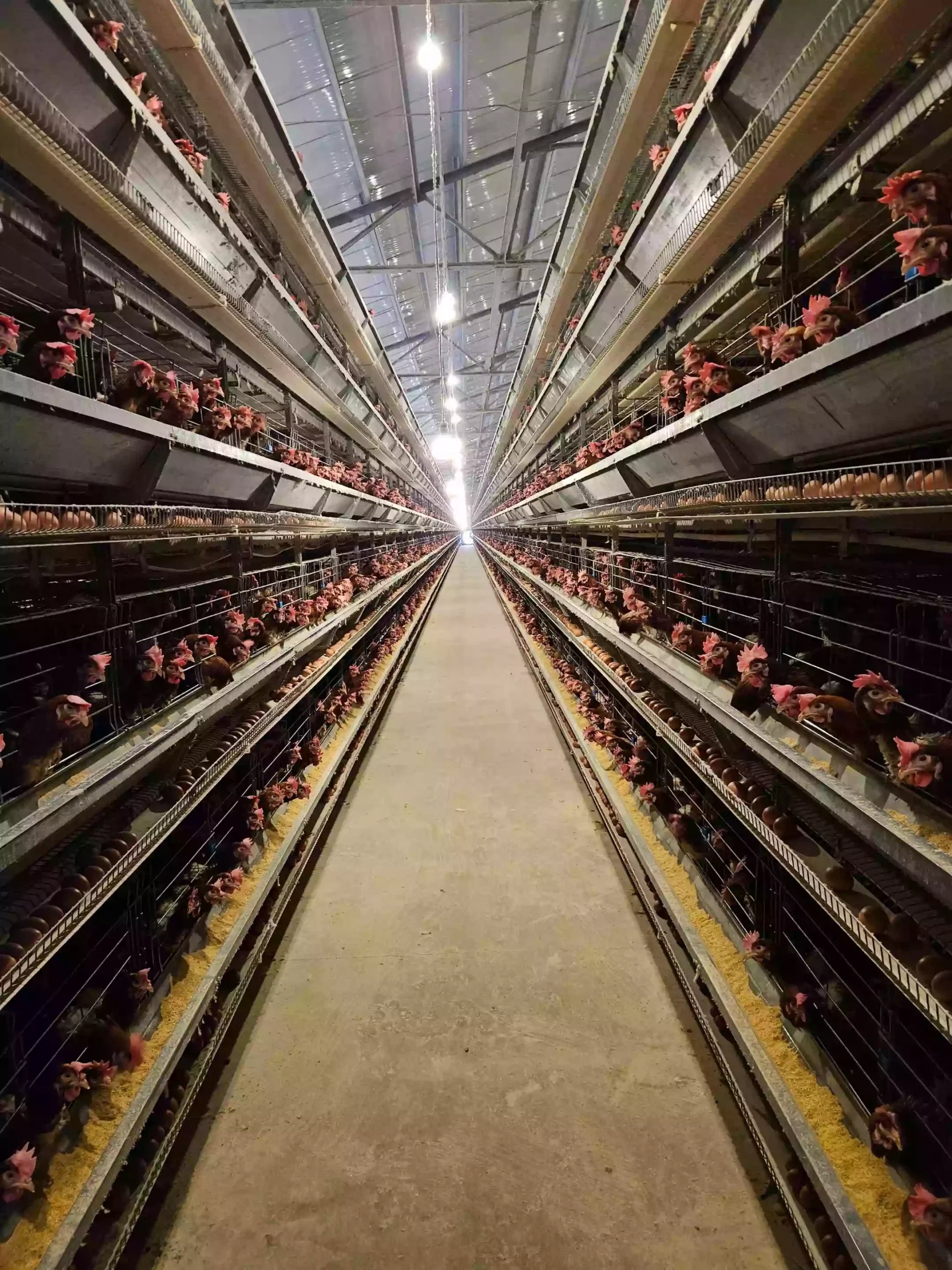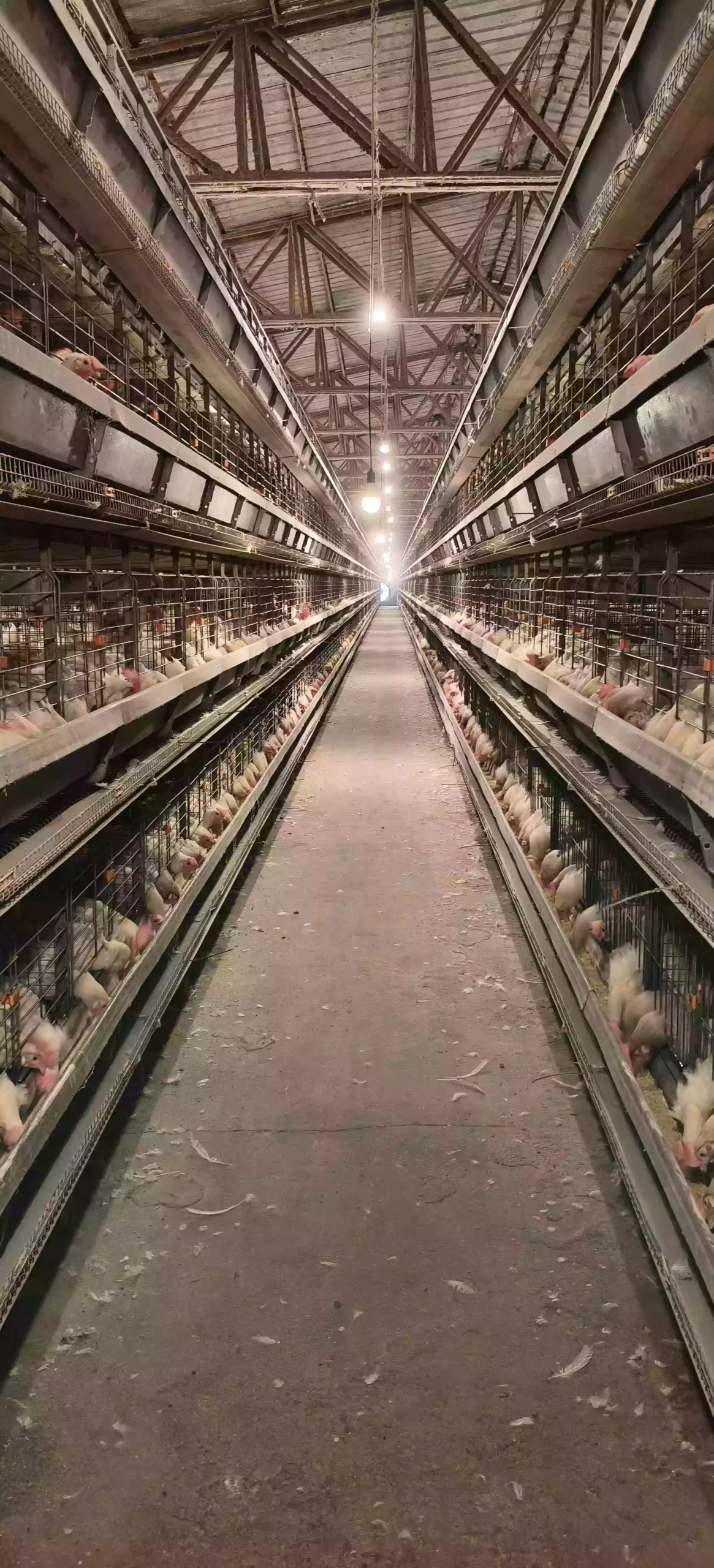

Feed Restriction Management in closed house system poultry
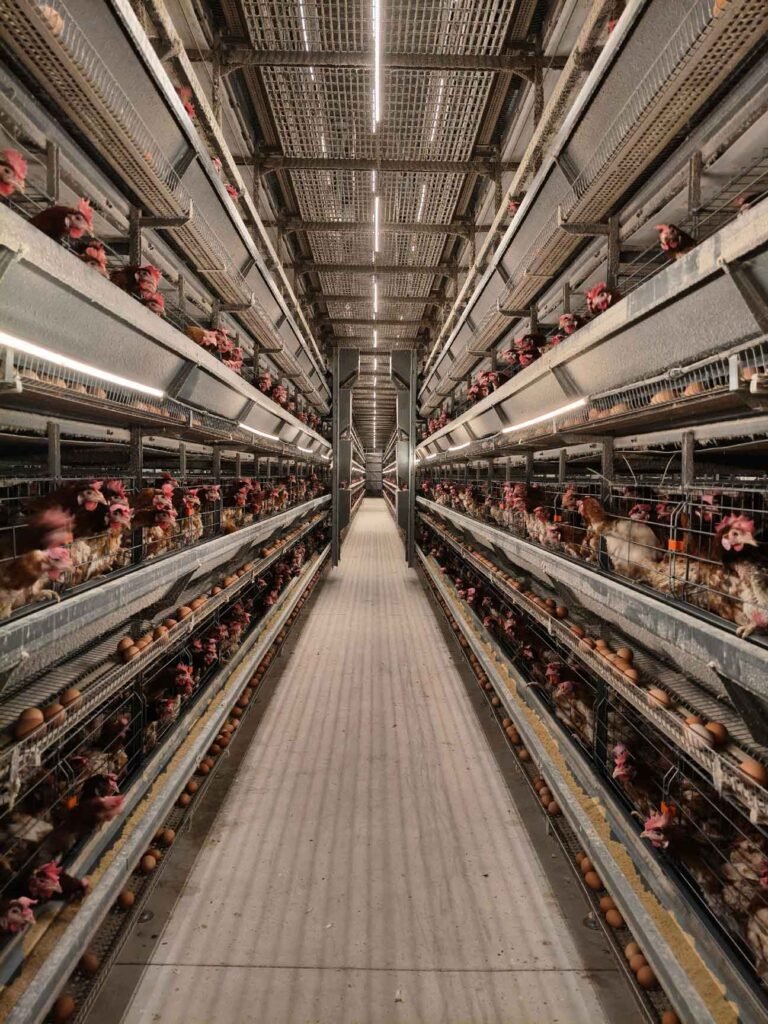
Poultry farming is not easy. Effective management of lighting and feed restriction throughout the rearing process is crucial. During feed restriction, turning off the lights allows the birds to rest. This approach achieves multiple goals: it controls feed intake, ensures adequate rest for the chickens, reduces activity, and promotes weight gain. Feeding is a critical step in closed house system poultry. While many recognize the importance of feed restriction within feeding management, significant misconceptions exist. Many blindly follow incorrect steps, leading to poor outcomes. Beyond restriction, there are several other common feeding errors often overlooked by farmers. This article systematically explains the correct methods within feed management.
Incorrect feed restriction leaves chickens underfed, fostering a “survival of the fittest” scenario and resulting in poor flock uniformity. Proper feed restriction must adhere to the following principles:
- Restriction controls time, not the weight or amount of feed. In other words, we must provide feed at fixed times and in fixed quantities.
- Feed restriction must be combined with lighting management to achieve optimal results.
- Cultivate the mindset that our goal is not to control the flock’s weight, but to encourage maximum and rapid growth by promoting feed intake. Do not restrict feed from 5:00 AM to 9:00 AM and from 1:00 PM to 3:00 PM.
- The daily feed restriction period should not exceed 6 hours.
So, what is the most effective method for feed restriction?
- Establish a fixed daily feeding time, preferably at 6:00 PM. Once set, do not change it arbitrarily.
- For broilers, begin feed restriction after 11 days of age. It is not recommended during the brooding period for chicks, as this phase requires ensuring flock uniformity. Once unevenness appears in chicks, subsequent management becomes very difficult.
- The best time for daily feed restriction is in the afternoon. Achieve empty feeders between 3:00 PM and 6:00 PM. Outside this window, feeders should not be empty, but within it, they must be cleaned out.
- Once the flock reaches 20 days of age, start recording detailed daily feed intake changes. Feed twice daily and mix the feed in the troughs once.
- The timing and amount of the two daily feedings should be balanced. The first feeding is at 6:00 PM, providing two-thirds of the previous day’s total feed amount. No additional feed is added throughout the night. The second feeding depends on the remaining feed in the troughs, added when only a bottom layer is left, typically around 6:00 AM, ensuring the troughs are never completely empty.
- Combine feed restriction with lighting. Start light management from the brooding period and gradually increase the duration.
The above methods represent a more scientific approach to feed restriction, aiming to help farmers rebuild a correct understanding and ultimately achieve successful farming.
The Necessity of Feed Limitation Within Restriction:
When you properly manage both light and feed restriction, you will find your chickens healthier and with a better appetite, eating increasingly more. We have even encountered 21-day-old chickens consuming the feed amount intended for 25-day-olds, exceeding it by 4 days’ worth. This introduces another management factor: feed limitation.
- Feed Restriction is about fixed timing but not fixed quantity—they eat as much as they can within the time.
- Feed Limitation is about fixed timing and fixed quantity—they eat a set amount, no more.
Farmers often have the mindset that if chickens are growing well and eating a lot, they should be allowed to eat more to gain more weight. However, overeating isn’t necessarily beneficial. Rapid early growth can outpace the development of the chicken’s immune system, leading to increased disease incidence. Chickens may look large and healthy before 30 days, but after 30 days, disease outbreaks can become uncontrollable. Remember this rule in closed house system poultry: ”Doing well early doesn’t mean doing well overall; doing well in the later stages is what truly matters.” Pay attention to both feed restriction and feed limitation—do not allow overeating. By 20 days of age, chickens should have 4 to 6 hours of combined light and feed control.
The Positive Effects of Proper Feed Restriction in Poultry Farming:
- Reduces gastrointestinal burden, aids digestion: Short fasting periods allow the digestive tract, which is constantly under high load, to rest briefly. It also enhances gastrointestinal motility, helps expel toxins, and strengthens digestive function.
- Reduces vaccination stress: Restricting feed for 2-3 hours before vaccinations (injection, eye-drop, nose-drop, or wing-web) significantly reduces stress from catching, as birds are more manageable on an empty stomach. When satiated, the body’s primary metabolism is digestion, diverting blood flow to the digestive system and reducing supply to other systems, making fasted birds more stress-resistant.
- Reduces mold growth: Feed restriction allows for complete cleaning of feeder bottoms, reducing mold proliferation and consequently lowering the incidence of gizzard erosion/ventriculitis and mycotoxin-related diseases.
- Protects gastrointestinal function post-illness: Appropriate feed restriction after illness protects the recovering gut from being overloaded again. This is common in practice—feed intake surges after recovery, only to drop again after a couple of days.
- Aids in expelling impacted feces: Impacted feces, which remain in the intestines beyond normal excretion time, are typically dark green, black, or brown, muddy, and foul-smelling. Farmers often notice brown feces in the morning, commonly called “sugar droppings,” which are essentially impacted feces. The longer they remain, the more harmful. Fasting aids in their expulsion.
- Enhances immunity: A mildly fasted state challenges the neuroendocrine and immune systems, promoting regulatory functions within the body, enhancing internal stability (homeostasis), boosting immunity, and increasing neurological alertness.
How to Implement Feed Restriction:
- Implement restriction randomly: Do not fix a daily time for restriction. Implement it irregularly and unpredictably. The more random, the better, as it creates a more distinct feeling of hunger in the birds, maximizing the health benefits of fasting.
Avoid overly frequent restriction: While restriction has many benefits, the ultimate goal is profitability, not just survival. Excessive restriction inevitably affects growth and production performance. Therefore, it should not be too frequent, with each session lasting about 1-2 hours. For layers, implement it once every 3-4 days after 30 days of age. If not implementing scheduled restriction, ensure feeders are completely empty before each refill. Alternatively,delay a scheduled feeding by about an hour. - Implement restriction gradually: Start with short restriction periods and gradually increase the duration. Allowing birds to adapt is the fundamental method to avoid any stress.
Important Note: The above method is not suitable for all situations. For floor-reared chickens with litter, hungry birds may peck at the litter, increasing the risk of intestinal diseases like coccidiosis.
In summary, feed restriction does not mean giving less feed overall, but rather concentrating the feeding. This approach leads to excellent growth in the later stages. This principle is especially critical in a closed house system poultry operation where environmental control is paramount for optimizing feed conversion and overall flock performance.