
Heat Stress Prevention in Modern Poultry Housing System
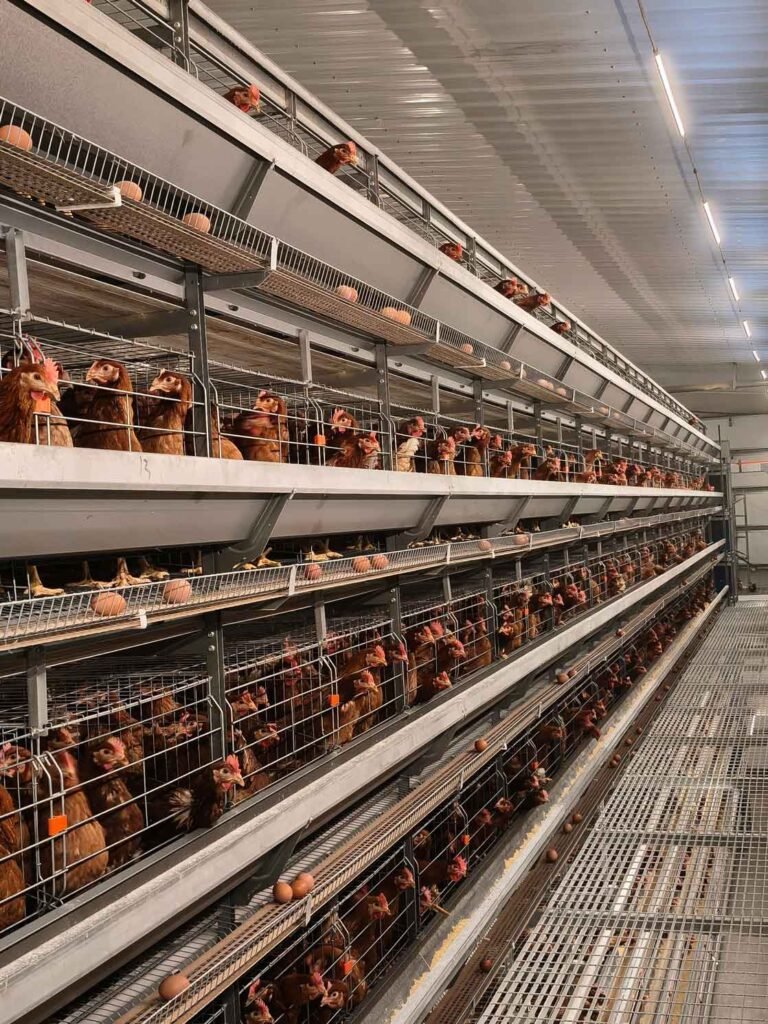
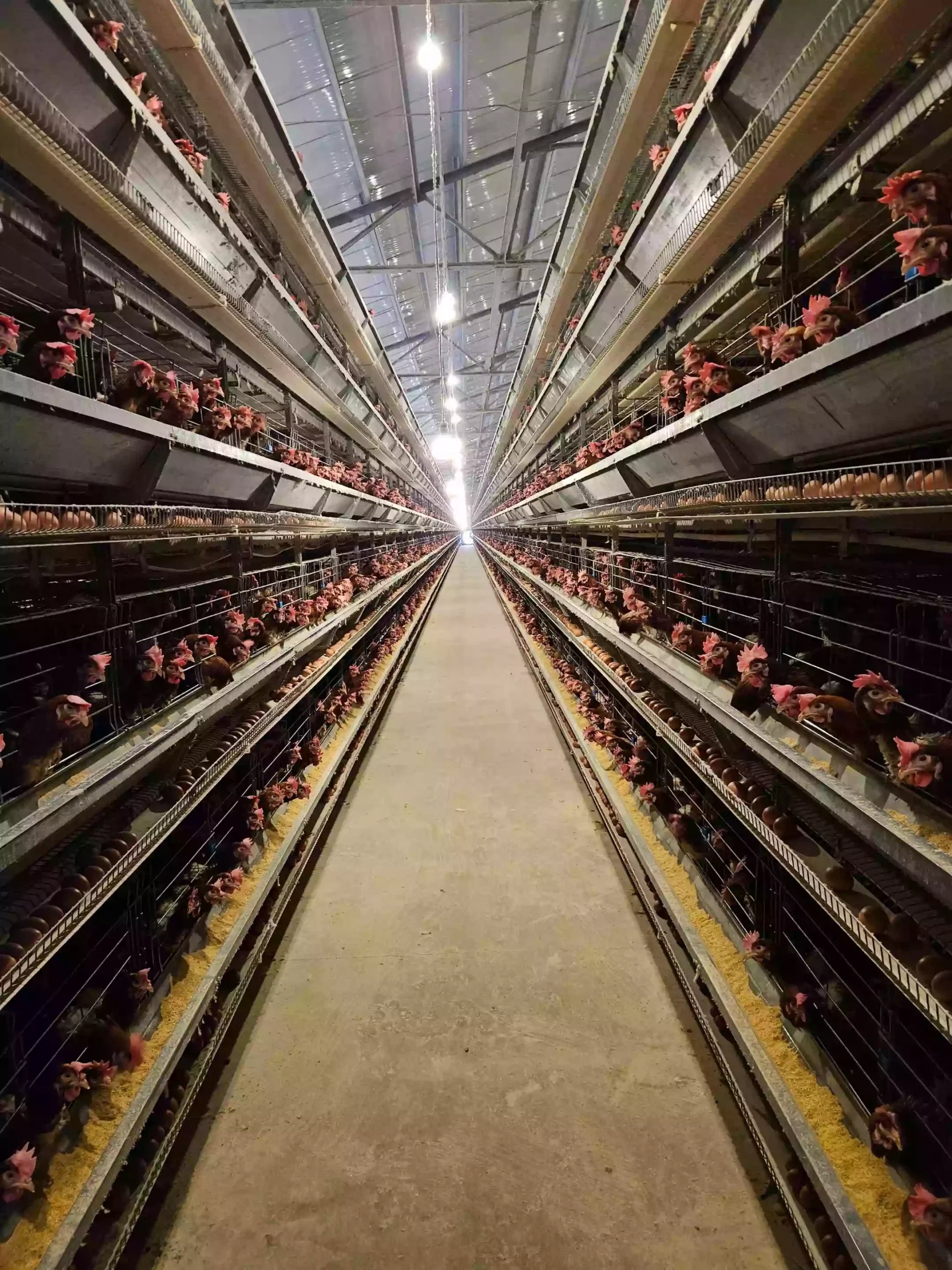
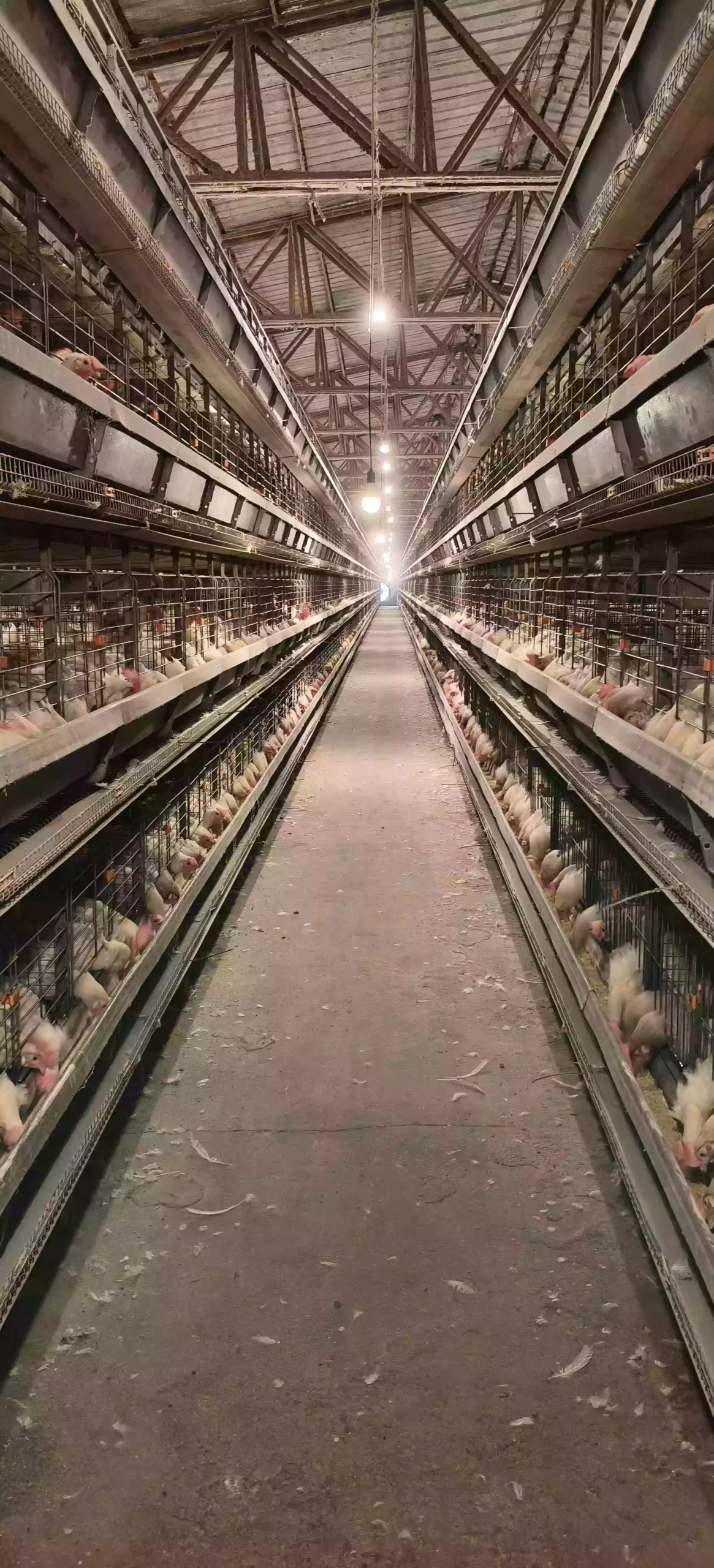
With the arrival of sustained high-temperature weather and high air humidity, the pressure for heatstroke prevention and cooling in poultry housing system has increased significantly. Heat stress in birds can reduce production performance and may even lead to death due to heat stroke. High temperatures can also cause weakened physiological functions and decreased immunity, allowing other diseases to take advantage of the situation and trigger outbreaks. Therefore, effective heatstroke prevention and cooling have become critical aspects of feeding management and environmental control in modern, large-scale poultry housing system. To further implement livestock safety protocols and address the impact of hot and humid conditions on poultry production, this article provides essential technical information for industry practitioners.
1. Monitor Flock Status Closely
When temperature and humidity are suitable within the poultry housing system, birds appear comfortable, calm, and behave naturally. If temperatures are excessively high, birds will exhibit heat dissipation behaviors like open-mouth panting, appear restless, reduce feed intake, experience intense thirst, and increase water consumption. Excessive drinking may even cause diarrhea and wet droppings. For laying flocks, temperatures exceeding 28°C (82°F) will significantly reduce egg production. These signs indicate that temperatures exceed the birds’ self-regulation capacity, requiring immediate intervention.
2. Ensure Proper Functioning of Environmental Control Facilities
Modern poultry farming highly relies on poultry housing system environmental control equipment for temperature and humidity management. Regular debugging and maintenance are essential to ensure normal operation, and accurate collection, transmission, and display of temperature/humidity data. Faulty temperature displays can lead to m anagerial errors and production losses.
3. Maintain Water Line Systems
Regularly check water lines and pressure to ensure normal water supply, avoiding performance loss or mortality due to water shortage. High temperatures increase water quality risks, necessitating regular cleaning and disinfection of water lines to ensure safe and hygienic drinking water.
4. Implement Ventilation and Cooling Measures
Ventilation is the primary method for air exchange and maintaining air quality in poultry housing system, and a key measure for summer cooling. A noticeable wind chill effect begins when airspeed reaches 1.5 m/s. Appropriately increasing ventilation can help regulate temperature. For poultry, the most effective cooling airspeed is 2.0-3.5 m/s. Beyond 3.5 m/s, the cooling contribution plateaus, and other cooling methods should be considered.
5. Manage Cooling Pad Systems Effectively
Cooling pads are the most common summer cooling method in poultry housing system. Their principle involves hot air passing through wet pads, where water evaporation absorbs heat, thereby cooling the air. Maintain pad cleanliness by thoroughly removing dust, debris, and feathers to ensure unblocked airflow. Regularly clean water distribution pipes to prevent clogging and microbial growth, followed by disinfection. Cooling efficiency is affected by relative humidity; higher humidity reduces effectiveness. When external humidity exceeds 75-80%, supplemental cooling is needed. Adding ice to the water reservoir can enhance cooling.
6. Utilize Air-Source Heat Pump Cooling
For large-scale poultry housing system using air-source heat pumps for heating, which also provide cooling, switching to cooling mode during extreme conditions can prevent heatstroke in older birds. Although operation in cooling mode consumes more electricity, it remains a viable option under extreme circumstances.
7. Apply Rational Spraying/Misting Cooling
Most modern poultry housing system are pre-equipped with mist lines for disinfection and humidification. Activating these systems with cool water during heat helps lower house temperature. Houses without mist lines can use high-pressure sprayers. Installing spray pipes at the ridge for fine misting utilizes evaporative cooling to remove heat effectively.
8. Adjust Feeding Times and Light Intensity
During heat stress, especially under high humidity, avoid feeding between 10:00 AM and 6:00 PM if possible. Adjusting diet composition to reduce heat increment post-feeding can be beneficial. Dimming lights reduces activity-related heat production.
9. Use Ice Blocks for Supplemental Cooling
If conventional methods are insufficient during extreme heat, placing large ice blocks in house aisles, while labor-intensive, can provide immediate cooling as an emergency measure.
10. Enhance House Insulation
Improving insulation is an effective way to block external heat. Adding insulation layers to walls and roofs is common. For existing houses, use infrared thermography to identify gaps, seal them with polyurethane foam and waterproof sealant to improve airtightness and insulation performance.
11. Implement Shading and Heat Reflection
Shading measures, such as installing shade nets or photovoltaic panels on roofs, aid heat prevention. Painting exterior walls, gables, and roofs with white reflective coating reduces heat absorption. Reflective insulation films are also an effective option.
12. Improve Flock Heat Stress Resistance
Some feed additives, Chinese herbs, vitamins, plant extracts, and organic selenium products are reported to help regulate body functions and mitigate heat stress, though results vary. These can be used as supportive measures.