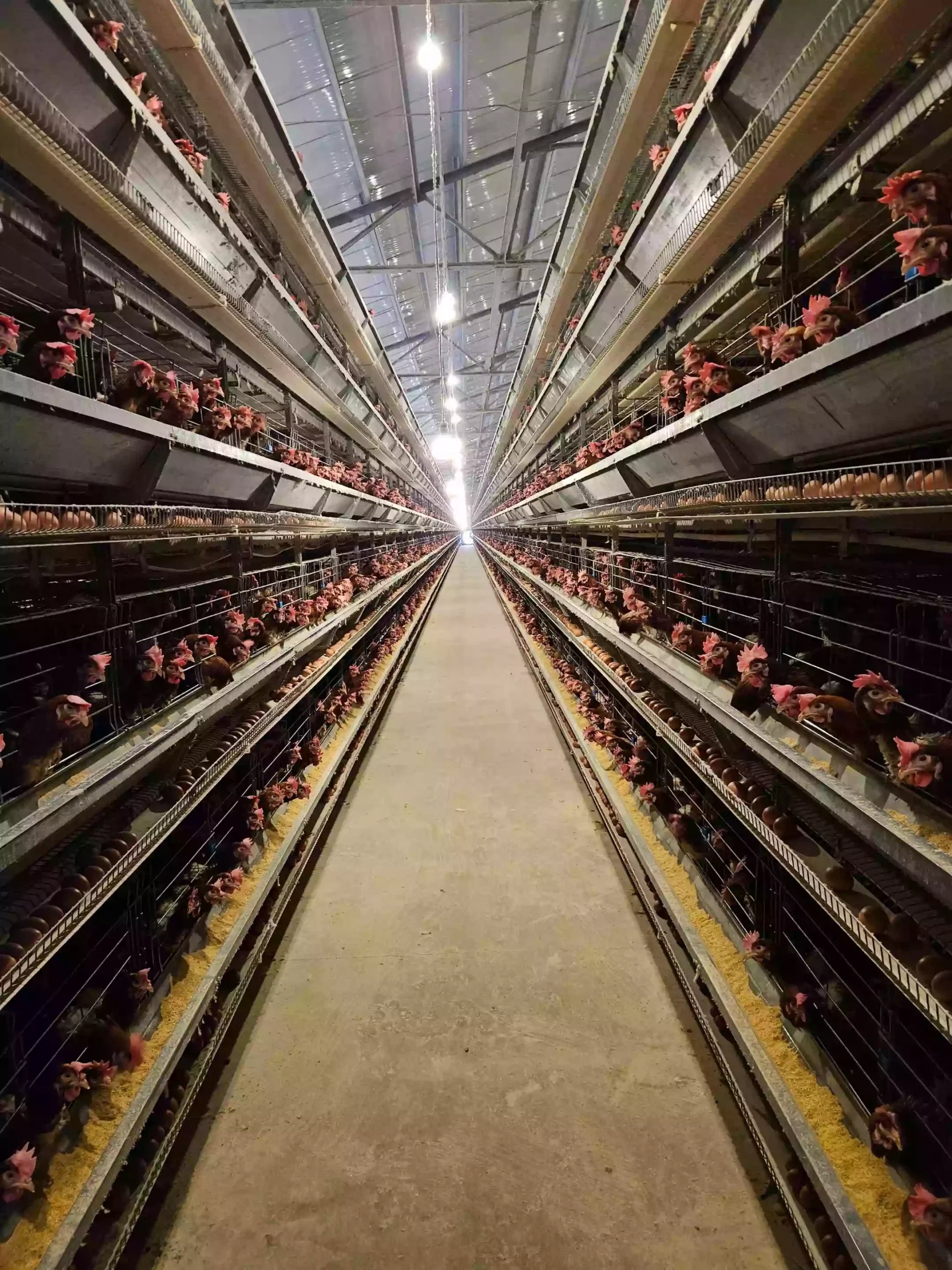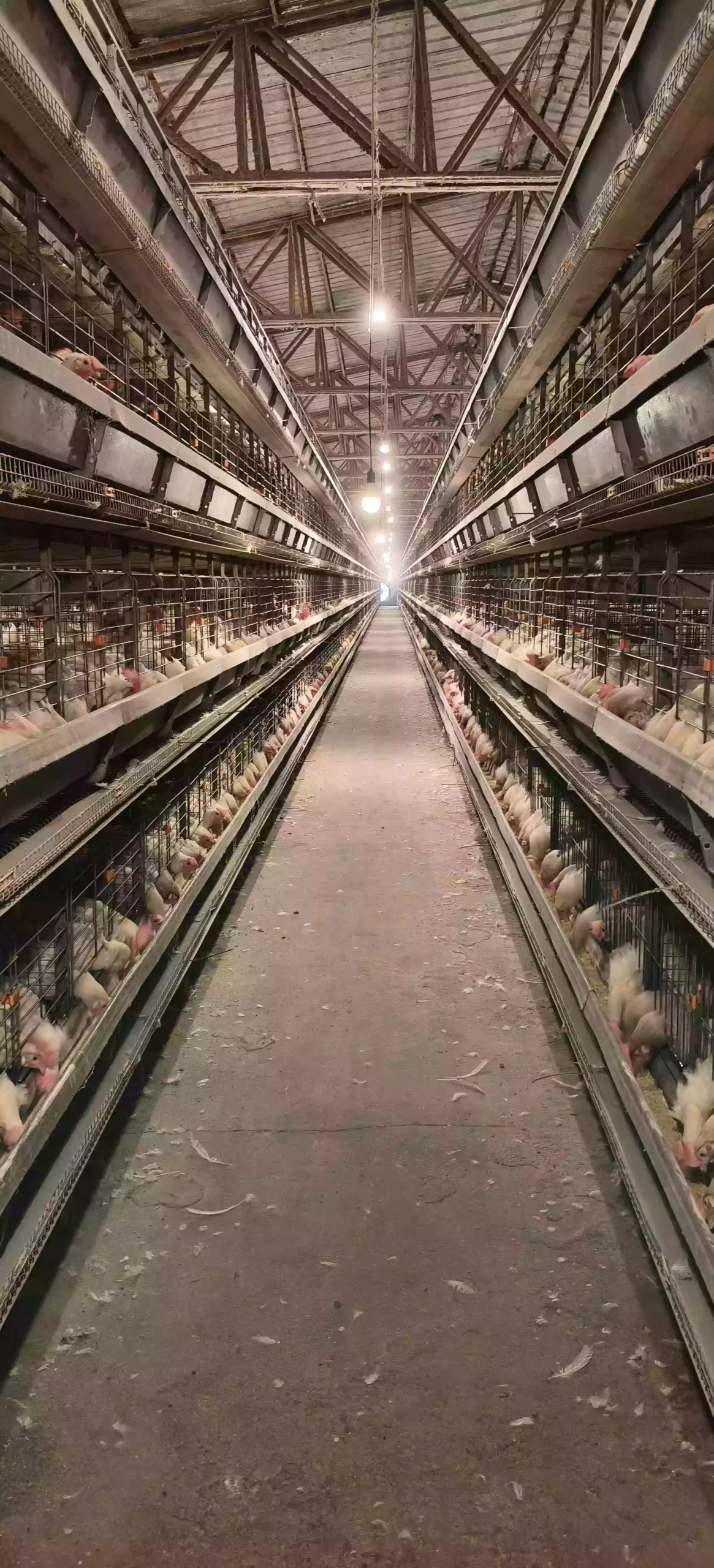

Key Challenges in Brooder Cage Management: Temperature, Nutrition, and Environmental Hazards
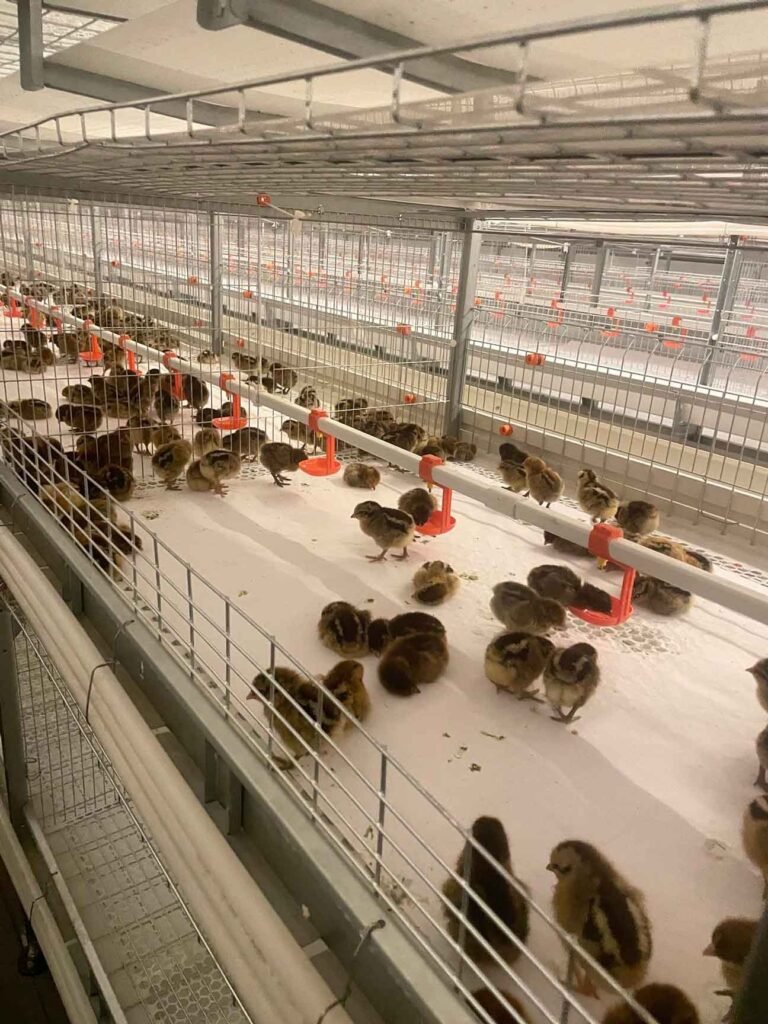
Chicks have sparse, short down feathers and underdeveloped thermoregulatory systems, making them highly vulnerable to cold stress. They are constantly affected by environmental conditions throughout the rearing process. This is particularly critical in modern, intensive poultry production systems where high-density, full-confinement rearing in brooder cage exacerbates environment-related diseases. Based on years of clinical observation, the main challenges are outlined below.
1. Low Temperature
1.1 Impact of Low Temperature
Chicks experience high mortality during the first week, peaking around day three. Affected chicks display fluffed-up feathers, huddling, piled crowding, drooping wings, continuous chirping, and prostration. Prolonged low temperatures can cause large-scale mortality. Necropsy often shows no significant gross lesions, though empty crops, incompletely absorbed yolk sacs, pale kidneys, and slightly reddened lung margins may be observed. Bacteriological tests are typically negative. Diagnosis is primarily based on environmental assessment.
1.2 Causes of Low Temperature in Brooder Cage
- Excessively low external temperatures, poor insulation, inadequate or faulty heating equipment.
- Malfunctioning thermometers.
- Incorrect placement or height of thermometers, leading to inaccurate readings.
- Drafts or cross-ventilation in the brooding area.
2. High Temperature
Chicks’ tolerance to high temperatures is significantly influenced by humidity and ventilation. While they can temporarily adapt to heat, prolonged exposure overwhelms their thermoregulatory capacity, leading to death if limits are exceeded.
Affected chicks gasp for air, move away from heat sources, appear lethargic, eat less, drink more, and exhibit fluctuating body temperature, resulting in ongoing mortality. Even without mass deaths, high temperatures reduce feed intake, causing starvation, growth arrest, and increased susceptibility to other diseases. Necropsy of heat-affected chicks may reveal empty gastrointestinal tracts, and congested, blood-filled, or edematous lungs.
Causes of High Temperature in Brooder Cage:
- High external temperatures, elevated humidity, poor ventilation, and overstocking.
- Malfunctioning or improperly placed thermometers, leading to excessive heating or uneven heat distribution.
3. Starvation
Multiple factors can reduce chicks’ feed intake or appetite, leading to starvation and death. Starving chicks appear thin, pale, weak, or lethargic. Key necropsy findings include empty crops, gas- or fluid-filled intestines, shrunken livers, enlarged gallbladders, pale kidneys with urate deposits, visceral gout, and vent plugging. Diagnosis is based on environmental assessment and bacteriological tests.
Causes of Starvation in Brooder Cage:
- Poor environmental conditions: excessive cold or heat, high humidity, inadequate ventilation, noise, dim lighting, overstocking.
- Insufficient feeder or drinker numbers, or poor placement (e.g., too hot, cold, or remote).
- Poor-quality feed or water (e.g., moldy or off-putting).
- Weak chicks or diseases (e.g., E. coli, Salmonella, coccidiosis).
4. Dehydration
Dehydrated chicks are listless, anorectic, droopy, lethargic, drowsy, with sunken eyes, wrinkled skin on legs, and prostration leading to death. Necropsy reveals dehydration, emaciation, empty crops and intestines, shrunken and pale livers, enlarged gallbladders and kidneys, and urate deposition.
Causes of Dehydration in Brooder Cage:
- Inadequate or interrupted water supply.
- Too few drinkers, or placement in overly hot, cold, or inaccessible locations.
- Poor palatability or off-taste of water.
5. Oxygen Deprivation or CO₂ Poisoning
Common in severe winters, CO₂, being heavier than air, accumulates near the floor. A simple test involves lighting a candle 10–12 cm above the cage floor; if it won’t light or extinguishes quickly, oxygen deprivation or CO₂ buildup is likely.
Causes of Oxygen Deprivation:
- Continuous heating in tightly sealed brooders, especially when using electric plates or gas heaters, depleting oxygen.
- Poor ventilation and overstocking.
6. Ammonia (NH₃)
Feces, feed, and other organic matter in brooder cage produce ammonia. Concentrations below 10 ppm may be detectable but harmless; above 25 ppm, ammonia causes conjunctivitis, corneal ulcers, and respiratory diseases; at 80 ppm, it reduces appetite, causes wasting, and increases mortality.
Causes of High Ammonia:
- Dirty, damp litter, and accumulated manure decomposing and releasing ammonia.
- Poor ventilation and overstocking.
7. Carbon Monoxide (CO) Poisoning
CO is produced by incomplete combustion of carbon-based fuels. Poisoning often occurs in winter or early spring when heating with coal in poorly ventilated brooders, due to blocked chimneys, backdrafts, or leaking pipes. Sometimes, attendants also suffer CO poisoning.
Acute poisoning causes restlessness or stupor, drowsiness, dyspnea, neck stretching, and convulsions before death. Subacute cases show depression, reduced appetite, and ruffled feathers. No significant lesions are seen. If poisoning occurs, immediately move chicks to fresh air and ventilate the house.