
Optimizing Chicken Rearing Systems to Solve the Winter Egg Drop Crisis: Integrated Management with a Focus on Ventilation
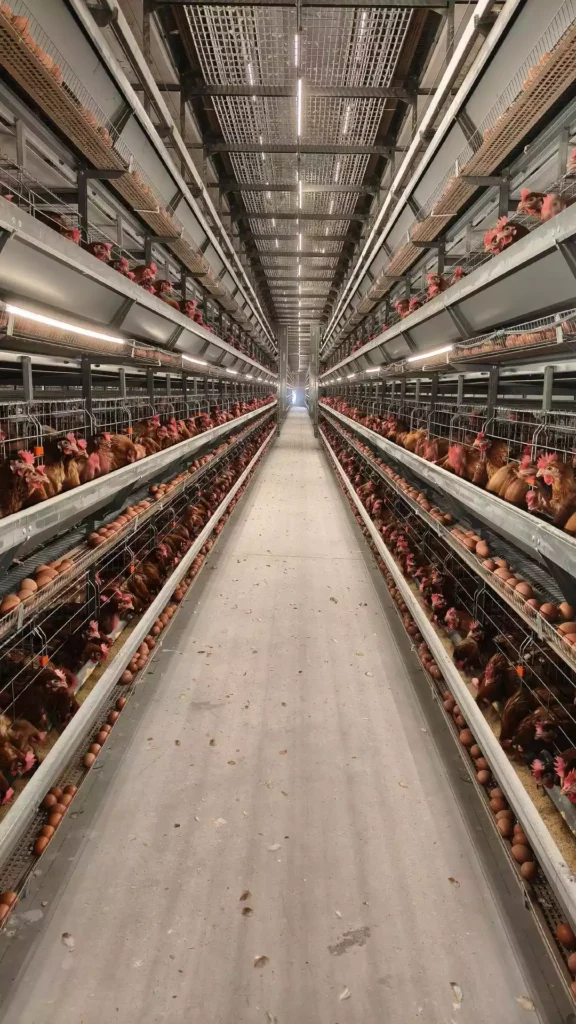
Another cold season has arrived, bringing the recurring challenge of unexplained egg production drops in poultry chicken rearing systems. In today’s economically strained environment, declining lay rates equate to daily operational losses—wasting feed, labor, and medication costs.
Critical Role of Environmental Control in Chicken Rearing Systems
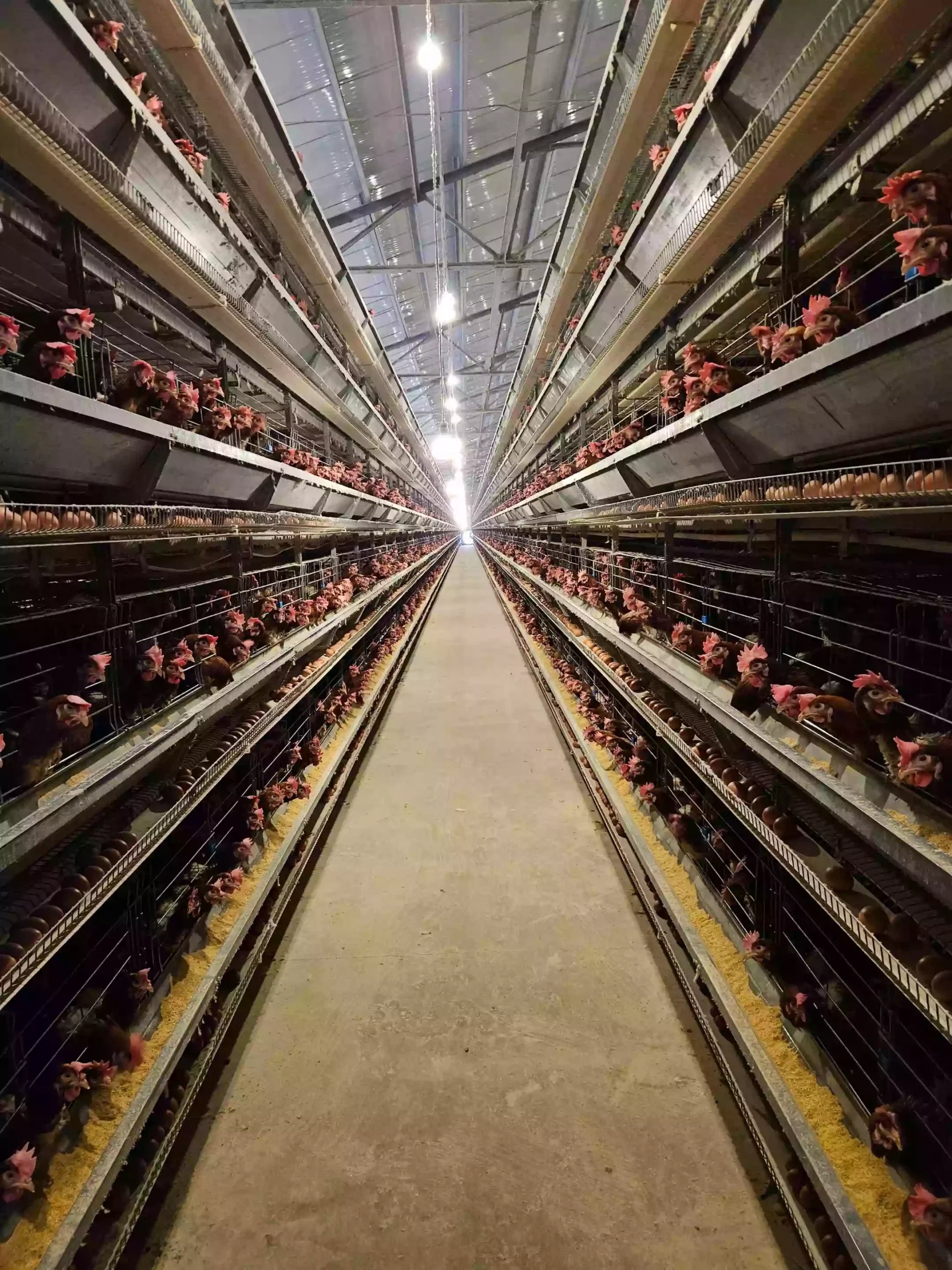
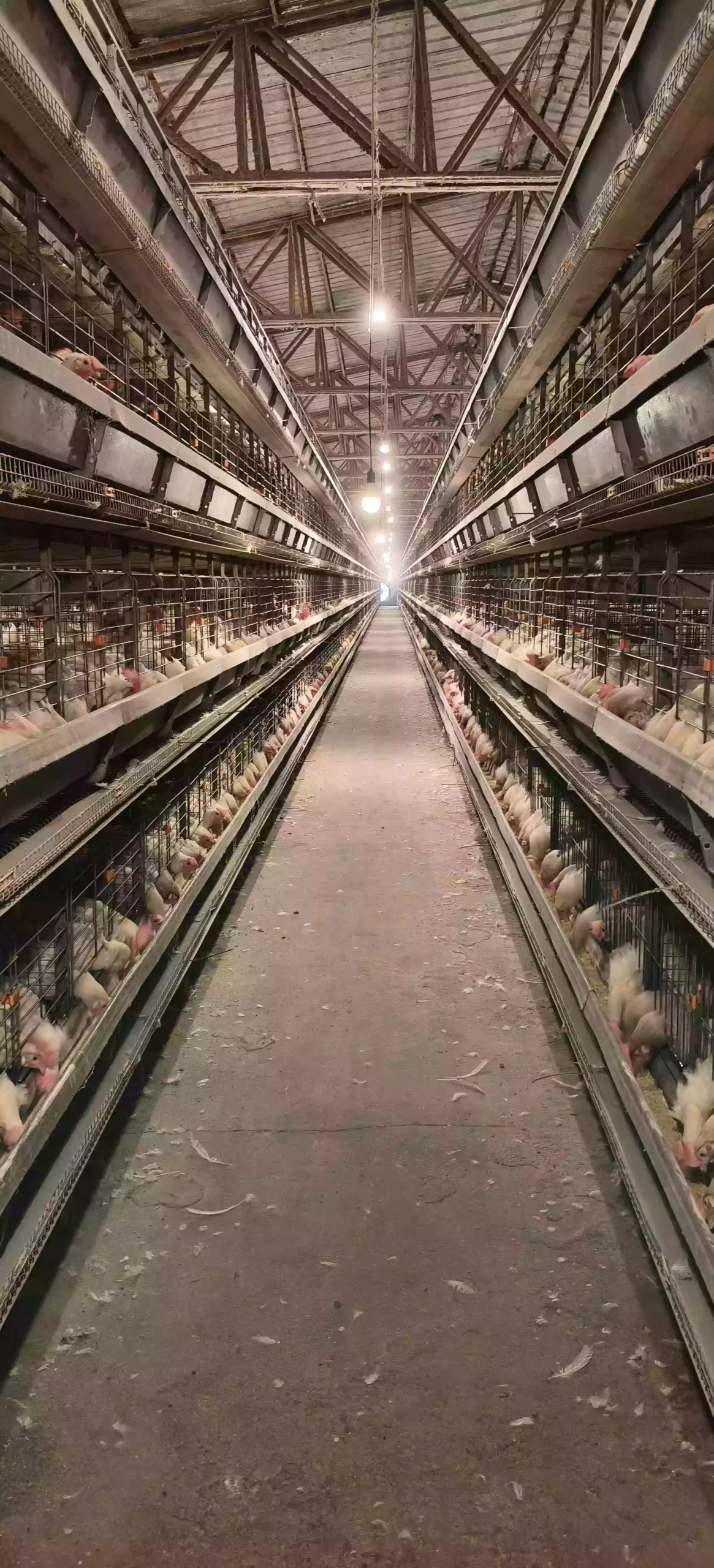
Maintaining optimal conditions is the foundation of successful chicken rearing systems. The transition to closed-house chicken rearing systems during winter often leads to reduced ventilation, accumulating dust and harmful gases, which stresses the birds and predisposes them to disease.
Key Symptoms Indicating Stress in Chicken Rearing Systems
- Subtle Environmental Stress Signs: Within intensive chicken rearing systems, flocks may exhibit normal feed intake and droppings, but a 20% production drop and temporary cyanotic combs signal underlying issues.
- Respiratory Challenges: In densely stocked chicken rearing systems, initial sneezing with nasal discharge can quickly escalate to widespread respiratory distress, causing rapid production declines and poor egg quality.
- Management Gaps: Even advanced chicken rearing systems can fail if vaccination protocols and nutrition are not meticulously managed, leading to increased morbidity and egg defects.
Pathogen Management in Modern Chicken Rearing Systems
- Mycoplasma Control: Poor ventilation in closed chicken rearing systems allows dust accumulation, irritating respiratory tracts and triggering mycoplasma flare-ups.
- Nutritional Transitions: Abrupt feed changes within chicken rearing systems—like premature new-corn incorporation—cause intestinal stress and nutritional imbalances.
- Vaccination Strategy: Antibody levels in large-scale chicken rearing systems must be regularly monitored and boosted post-peak lay to maintain immunity against Newcastle Disease and IB.
Optimizing Chicken Rearing Systems Through Management Interventions
- Ventilation Balance: All chicken rearing systems require precise airflow control to remove ammonia/CO₂ while maintaining temperature.
- Lighting Management: Modern chicken rearing systems must provide 16+ hours of uniform lighting to sustain production.
- Stress Reduction: Any chicken rearing systems should minimize sudden changes in feed, handling, or environment to prevent production drops.
Conclusion: The Path to Resilient Chicken Rearing Systems
Winter egg production challenges highlight how interdependent factors affect modern chicken rearing systems. By implementing comprehensive chicken rearing systems that prioritize ventilation, nutritional management, and immune monitoring, farmers can transform these seasonal threats into opportunities for operational refinement. The future of profitable layer farming lies in integrated chicken rearing systems capable of anticipating and neutralizing multifactorial stresses.