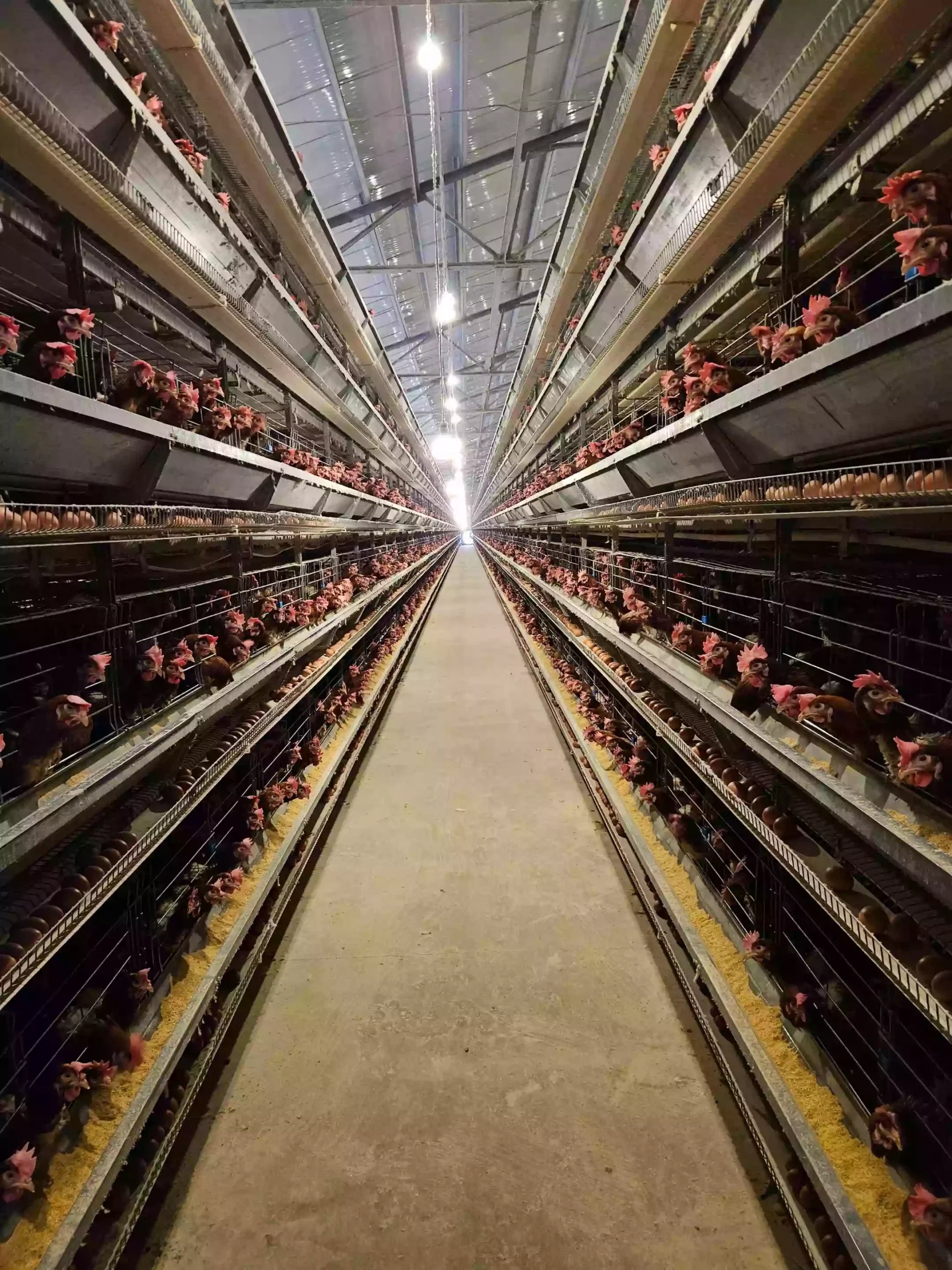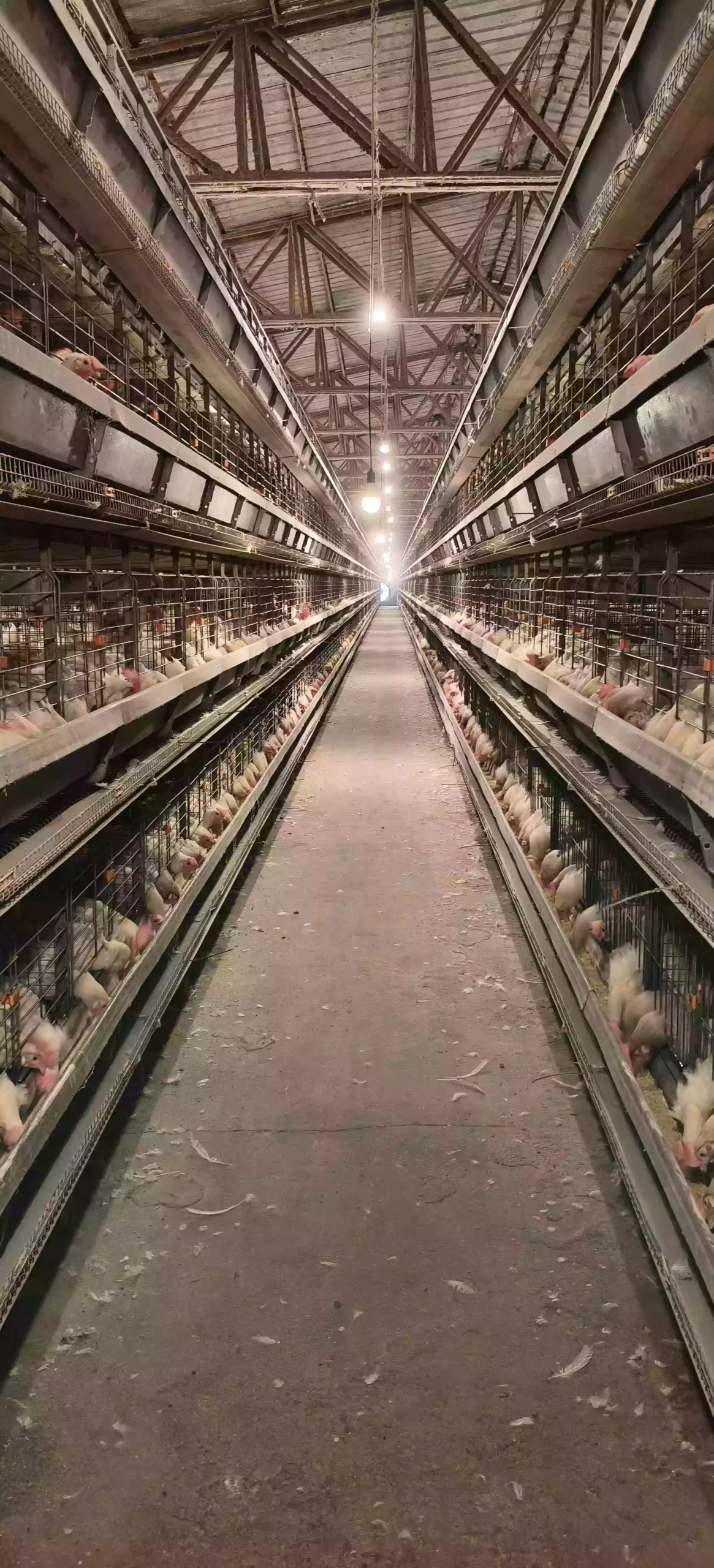

Signs of Low Immunity in Poultry from Cage System Poultry House
The following symptoms indicate low immunity in poultry:

【General Symptoms】
- The flock appears normal, but there are sporadic deaths and individuals show signs of emaciation.
- Uneven growth development among birds, with signs of pecking habits.
- Digestive disorders, including wet droppings and poor nutrient absorption—for every 0.5 kg of feed consumed, 0.15 kg is wasted.
- Weakened disease resistance, increasing susceptibility to viral and bacterial infections.
- Chronic stress leading to recurring issues like chronic respiratory disease, E. coli, coccidiosis, salmonella, and intestinal toxemia syndrome.
【Broiler-Specific Symptoms】
- Slow growth, delayed market time, higher feed conversion ratio (FCR), and increased costs.
- uneven development preventing true “all-in-all-out” management, reducing annual productivity.
- Dull and messy feathers, pale beaks/feet/legs, leading to lower market value.
- Poor mental state, giving a “sickly” appearance that further lowers profitability.
【Layer-Specific Symptoms】
- Slow increase in egg production, delayed peak lay, and reduced egg yield.
- Short peak laying periods with decreased output.
- Increased defective eggs (shell-less, thin-shelled), reducing effective production rate.
- Watery egg whites, poor yolk quality, and reduced egg weight, diminishing profits.
- Unstable fertility and hatch rates of breeding eggs, leading to higher chick mortality and farmer complaints.
Factors Leading to Weakened Immunity in Poultry
- Mycotoxins
Acute mycotoxin poisoning shows obvious disease signs, while chronic exposure more commonly reduces productivity. - Immunosuppression
Immunosuppression disrupts immune response, increasing disease susceptibility, raising mortality, and lowering productivity.- It develops gradually with varying incidence rates.
- Often asymptomatic or with mild symptoms and low mortality.
- Vaccination response is weakened, reducing protection efficacy.
- Increased susceptibility to secondary or mixed infections.
- Viruses like MDV, REV, ALV, and IBDV can cause dual/multiple infections, and some may spread via contaminated vaccines.
- Nutritional Deficiencies
Nutrition and immunity interact in two key ways:- Nutrition affects immunity and disease resistance.
- Immune responses during infections impact growth, reproduction, metabolism, and nutrient needs.
Deficiencies in trace elements (e.g., iron, selenium), linoleic acid, or vitamin A significantly impair immune development, especially in young birds.
- Poor Management in Cage System Poultry House
Factors like ventilation, stocking density, and hygiene negatively affect immunity if mismanaged.- Poor airflow overloads respiratory immunity.
- Vaccination stress and rough handling further reduce immune response.
mismanagement during stress plays a key role in post-vaccination disease outbreaks.
- Chronic Intestinal Coccidiosis
About 70% of the immune system is gut-associated, and 80% of antibodies are produced there. Coccidial infection damages intestinal lymph tissues (e.g., duodenum, jejunum, cecal tonsils), compromising immunity and disease resistance.