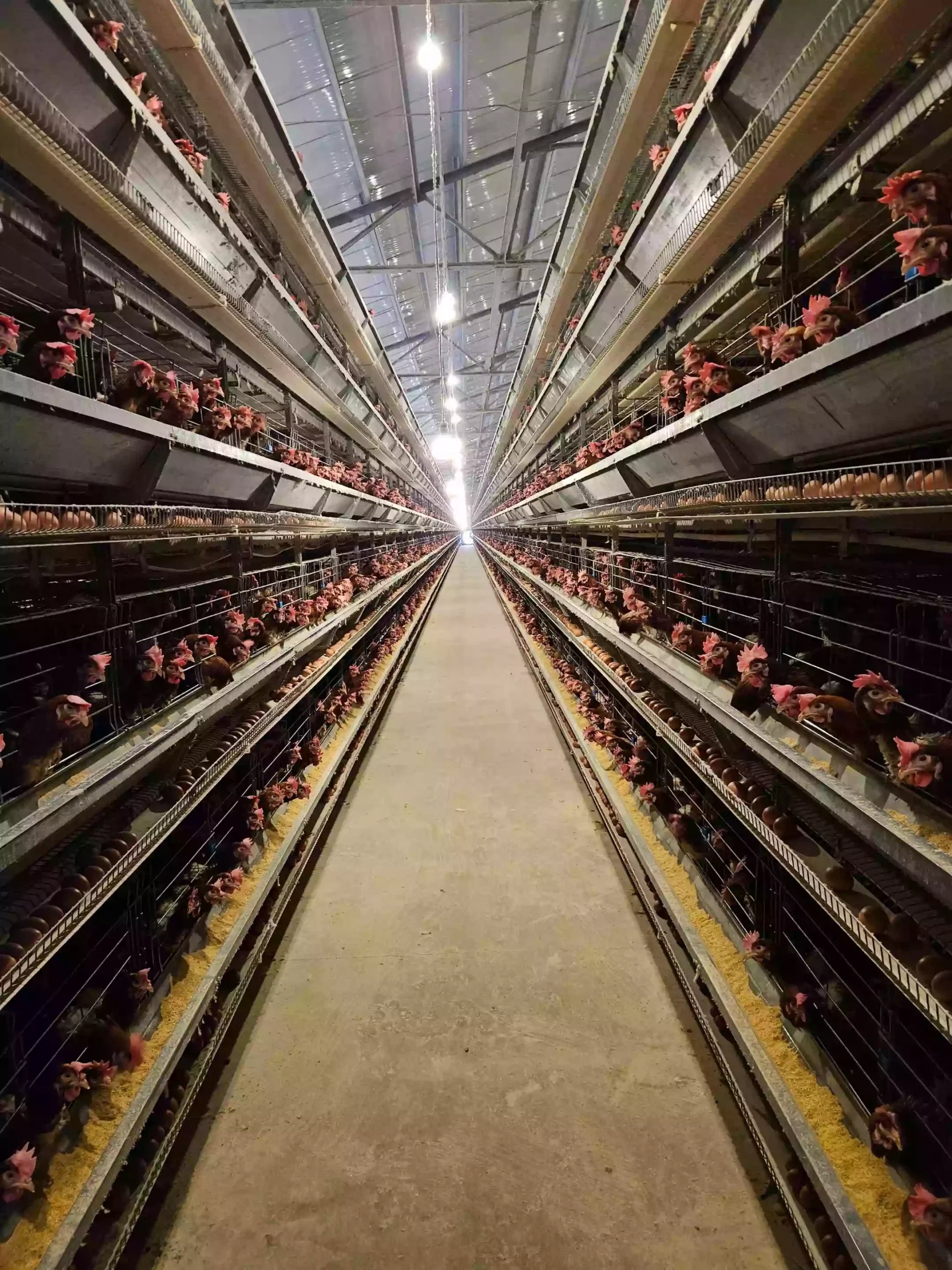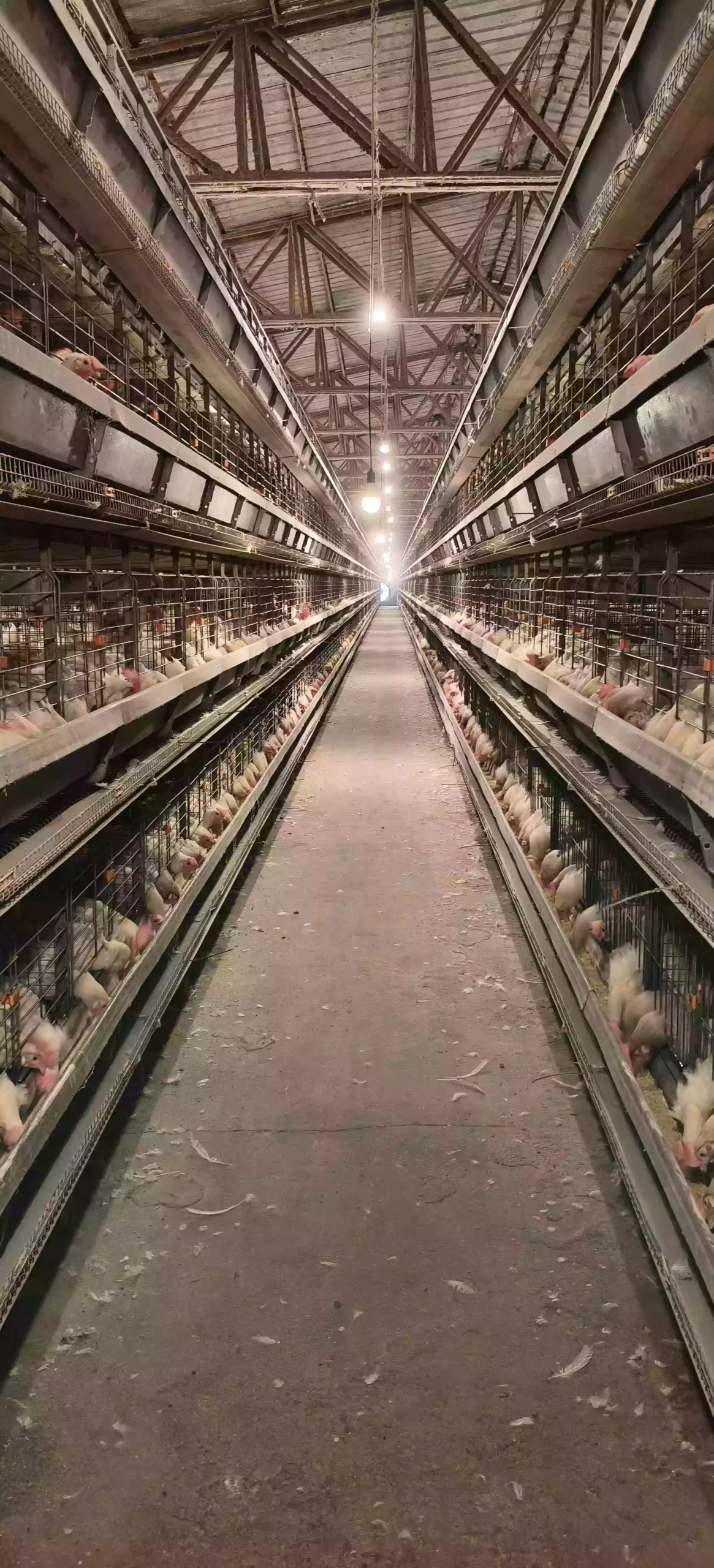

“Six Questions” for Your Battery Cage Hen Flocks in Winter

1. Is the Light Sufficient?
Winter brings shorter days and weaker sunlight, significantly impacting open-sided houses. Combined with reduced ventilation and increased dust, lighting equipment efficiency drops, especially for lower cage tiers. Therefore, prioritize winter lighting management: In open houses, use high-intensity bulbs and maintain fixed morning/evening lighting schedules. Clean bulbs daily and regularly monitor intensity with a light meter. This prevents long-term negative effects on egg production caused by short photoperiods and weak light, a critical factor for battery cage hen productivity.
2. Is Oxygen Adequate?
Winter housing prioritizes insulation, often relying on minimum ventilation mode. Variations in house design, environmental control equipment, and management precision can lead to excessive insulation, dropping ventilation below the minimum threshold and creating localized hypoxia. Closely monitor feed intake and egg production patterns, and increase ventilation promptly to avoid hypoxia stress in your battery cage hen operation.
3. Is Feed Intake Enough?
Winter environments are susceptible to external temperatures, with issues like drafts and low house temperatures impacting flock health and performance. This can lead to insufficient feed intake, dropped production, poor shell quality, and even colds. Monitor key indicators: feed consumption, eating behavior, egg production, and shell quality. Be flexible with feeding: increase frequency and amount as temperatures drop to prevent performance loss due to under-consumption in battery cage hen flocks.
4. Is Respiration Unhindered?
Respiratory diseases are common in winter, triggered by chills, poor ventilation, or both. Frequently inspect the house: check dust levels and ammonia concentration. Closely observe the flock’s respiratory status: prevalence, location, and severity. Prevent various respiratory diseases stemming from breathing difficulties, a vital aspect of battery cage hen welfare in confined spaces.
5. Is the House Space Suitable?
Oversized houses can create a mismatch between flock density and space, leading to low temperatures in lower areas, especially affecting pullets. Prepare large houses in advance: maintain minimum ventilation, increase feeding frequency/amount, add 1 hour of light and feed on extremely cold nights to combat chill, and lower the target temperature ahead of sudden cold snaps to help acclimatize. Use preventive herbal remedies like Shuanghuanglian Oral Liquid or Jingfang Baidu Powder if necessary to guard against wind-cold stress in battery cage hen facilities.
6. Are Antibody Levels High Enough?
The dual stress of cold and poor ventilation in winter makes flocks highly susceptible to respiratory and subsequent infectious diseases (e.g., Newcastle Disease, H9, H5+H7 AI). Over time, this can degrade antibody uniformity and levels. Regularly monitor antibody titers to identify the optimal time for booster vaccinations against Newcastle Disease, H9, and H5+H7, preventing production losses due to low humoral immunity in your battery cage hen flock.