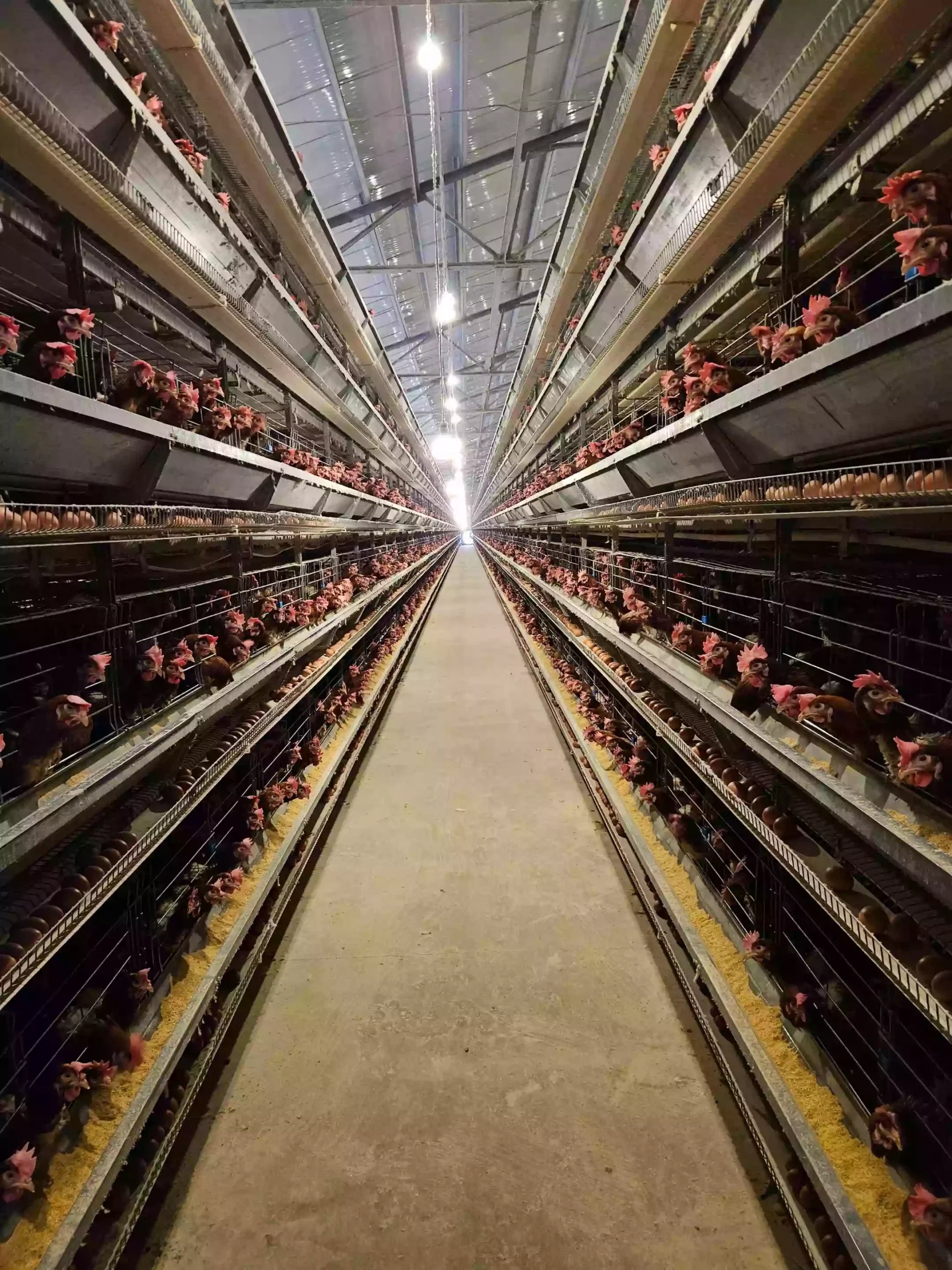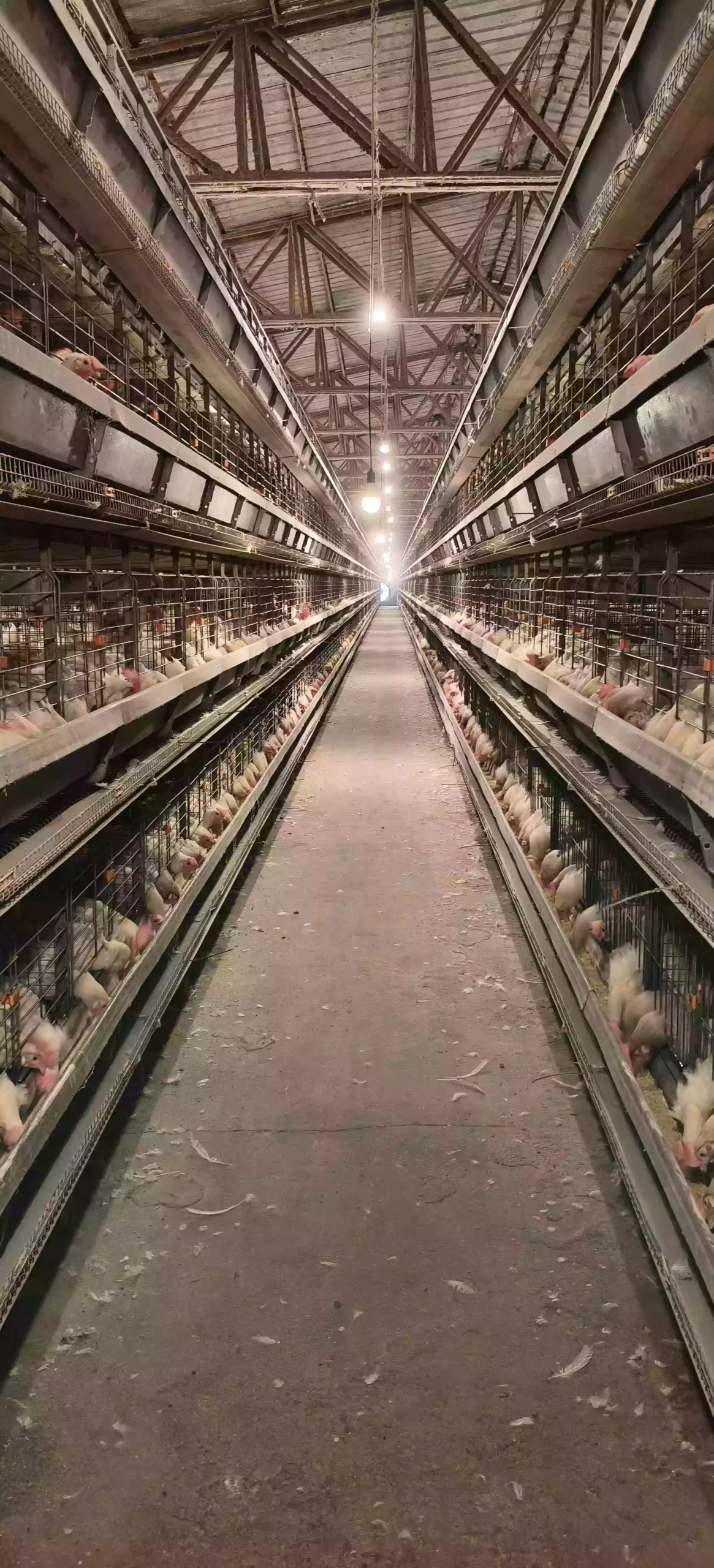

The Impact of Heat Stress in Poultry Closed House System

Introduction
The ability of poultry to withstand heat stress varies with age, with lighter breeds generally tolerating higher temperatures better than heavier breeds. However, all birds possess intrinsic regulatory mechanisms to maintain metabolic balance and sustain production performance under mild stress. When Poultry Closed House System temperatures exceed 30°C, the gradient for dissipating body heat diminishes, making cooling difficult. Birds primarily rely on panting and increased excretion to lose heat. Prolonged exposure to temperatures beyond their physiological capacity triggers significant stress responses, leading to reduced growth rates in broilers, dropped egg production in layers, impaired reproductive function in breeders, lower feed efficiency, and increased morbidity and mortality.
Physiological Impact of Heat Stress
Sustained high temperatures disrupt thermoregulation and physiological functions, pushing the bird’s heat-regulating capacity to its limit. This excites the sympathetic nervous system and enhances adrenal medulla hormone secretion, causing accelerated breathing, increased heart rate, rapid blood flow, and elevated body temperature. The specific impacts are detailed below:
1. Reduced Feed Intake
Heat stress inhibits the feeding center, reducing appetite. Birds drink more water to alleviate heat load. For layers, within 21-30°C, each 1°C rise decreases feed intake by 1.6%; within 32-38°C, each 1°C increase reduces it by 4.6%. Broilers’ average feed consumption can be 45% lower than at optimal temperatures.
2. Impact on the Digestive System
Below 30°C, digestibility may slightly increase due to slower gut motility, allowing more time for enzymatic action. Above 30°C, however, reduced intake coupled with increased water consumption accelerates intestinal transit time, dilutes digestive enzymes, and decreases nutrient utilization. Heat stress disrupts chemical thermoregulation, increasing corticosterone release. This promotes protein/lipid breakdown and gluconeogenesis, consuming resources like Vitamin C. Altered blood flow to the digestive tract reduces enzyme and mucus secretion, damaging the mucosa, causing ulcers, microbial imbalances, and significantly impairing the digestion of proteins, fats, and minerals. Chronic stress reduces gizzard and proventriculus weight and intestinal wall mass.
3. Impact on the Respiratory System
Lacking sweat glands, birds cool themselves via respiratory evaporation through panting. Respiration rate can jump from a normal 20-30 breaths/minute to over 100 breaths/minute. Hyperventilation expels excess CO2, causing respiratory alkalosis (increased blood pH), leading to thin-shelled eggs and mortality. If heat persists, respiratory fatigue causes CO2 retention, leading to respiratory acidosis (decreased pH), muscle weakness, paralysis, and severe mortality.
4. Impact on Blood Circulation
Heart rate increases, diverting blood to the periphery (skin, muscles) for cooling. This can cause heart failure, brain congestion, pulmonary edema, and hypoxia, while reducing blood supply to vital organs (liver, kidneys, ovaries), causing organ failure and reduced performance or death.
5. Impact on the Endocrine System
Heat stress suppresses the release of gonadotropin-releasing hormone (GnRH), luteinizing hormone (LH), and follicle-stimulating hormone (FSH), reducing estrogen levels and impairing follicle development, ovulation, and egg production.
6. Impact on Immune Function
Heat stress activates the pituitary-adrenal axis, increasing corticosteroids that suppress immune function by inhibiting lymphocyte activity, antibody production, and macrophage efficiency. It impairs the development of immune organs (thymus, bursa, spleen), reducing vaccine efficacy and increasing susceptibility to diseases like Newcastle Disease and Avian Influenza.
7. Production Losses and Egg Quality Issues
For each degree above 27°C, defective eggs increase by 1% due to reduced calcium/phosphorus/Vitamin D intake and respiratory alkalosis reducing blood calcium bicarbonate. Egg weight decreases by 0.2-0.3g/°C; broiler growth rates can be 53% lower. Meat quality suffers due to protein loss and increased saturated fat deposition. Thyroid hormone (anabolic) decreases while cortisol (catabolic) increases, reducing weight gain.
Clinical Signs and Pathology
Initial signs include increased respiration, elevated temperature, panting, wing drooping, lethargy, increased water consumption, decreased feeding, watery droppings, and production drops. Prolonged stress leads to “heat stroke” mortality, often in well-fleshed birds. Necropsy reveals congested lungs, heart surface hemorrhages, intestinal congestion, edema, liver hemorrhages, and brain edema.
Mitigation Strategies for Poultry Closed House System
While stress cannot be eliminated, its impact can be managed.
1. Enhanced Management
- Environmental Control: Maximize ventilation, employ cooling pads (poultry closed house system essential), use fogging systems, and reduce stocking density.
- Feeding Schedule: Feed during cooler periods (early morning/late evening).
- Lighting Adjustment: Shift lighting to cooler nighttime hours, ensuring total light does not exceed 17 hours.
2. Dietary Adjustments
- Add 2-3% fat to increase energy density and palatability.
- Increase nutrient concentration to compensate for reduced intake.
3. Maintaining High Antibody Titers
Ensure flocks have high antibody levels pre-summer, as stress compromises immunity.
4. Vitamin C Supplementation
Supplement Vitamin C to inhibit body temperature rise, boost feed intake, and enhance immunity by modulating stress hormones.
5. Electrolyte Balance
Supplement electrolytes: 0.15% KCl in water improves weight gain; 0.4-0.6% KCl and 0.1-0.2% NaHCO₃ in feed helps maintain balance during stress.
Conclusion
Effective management of heat stress in modern poultry closed house system requires an integrated approach combining environmental control, nutritional strategies, and vigilant health management to sustain productivity and bird welfare during high temperatures.