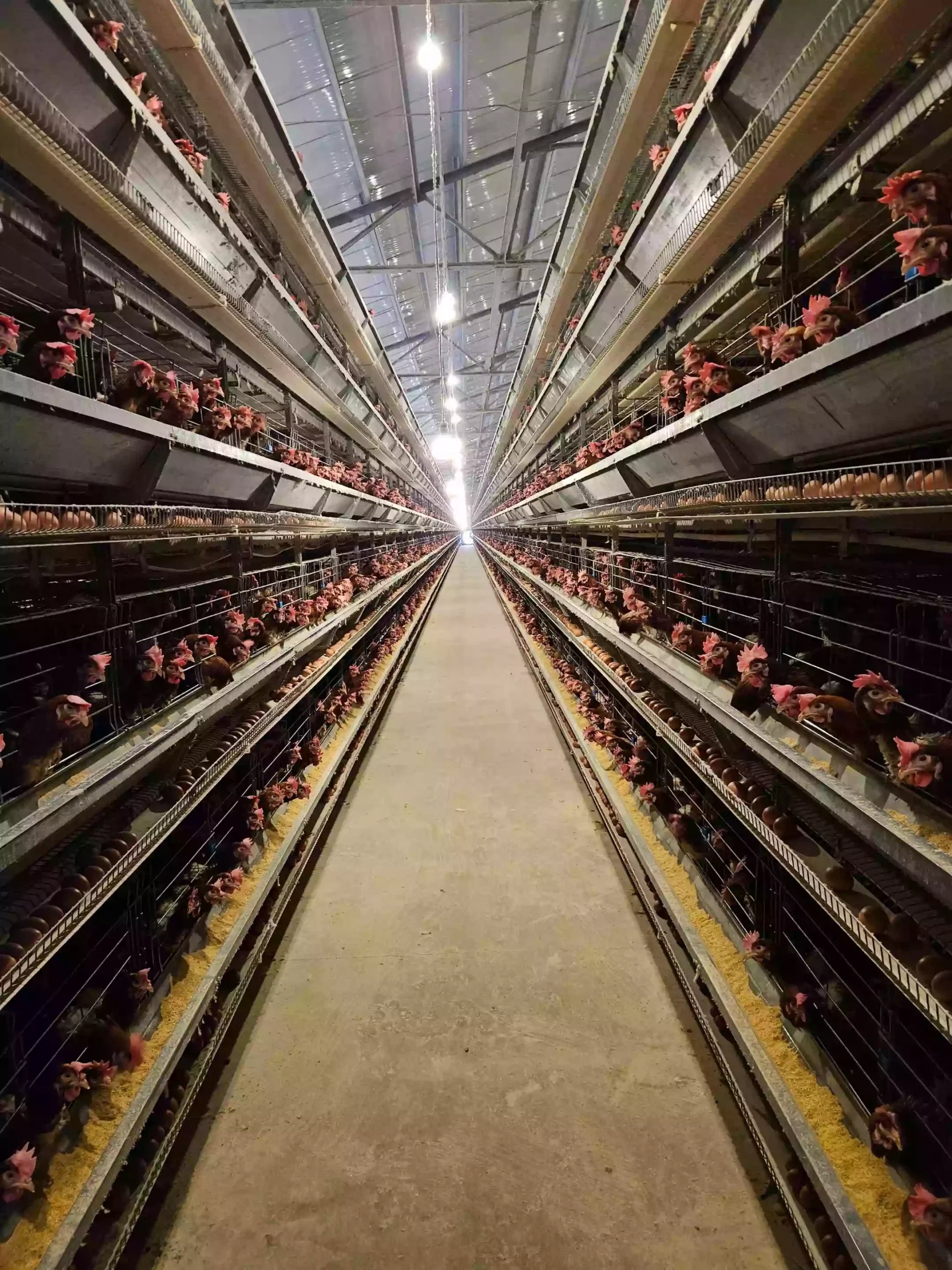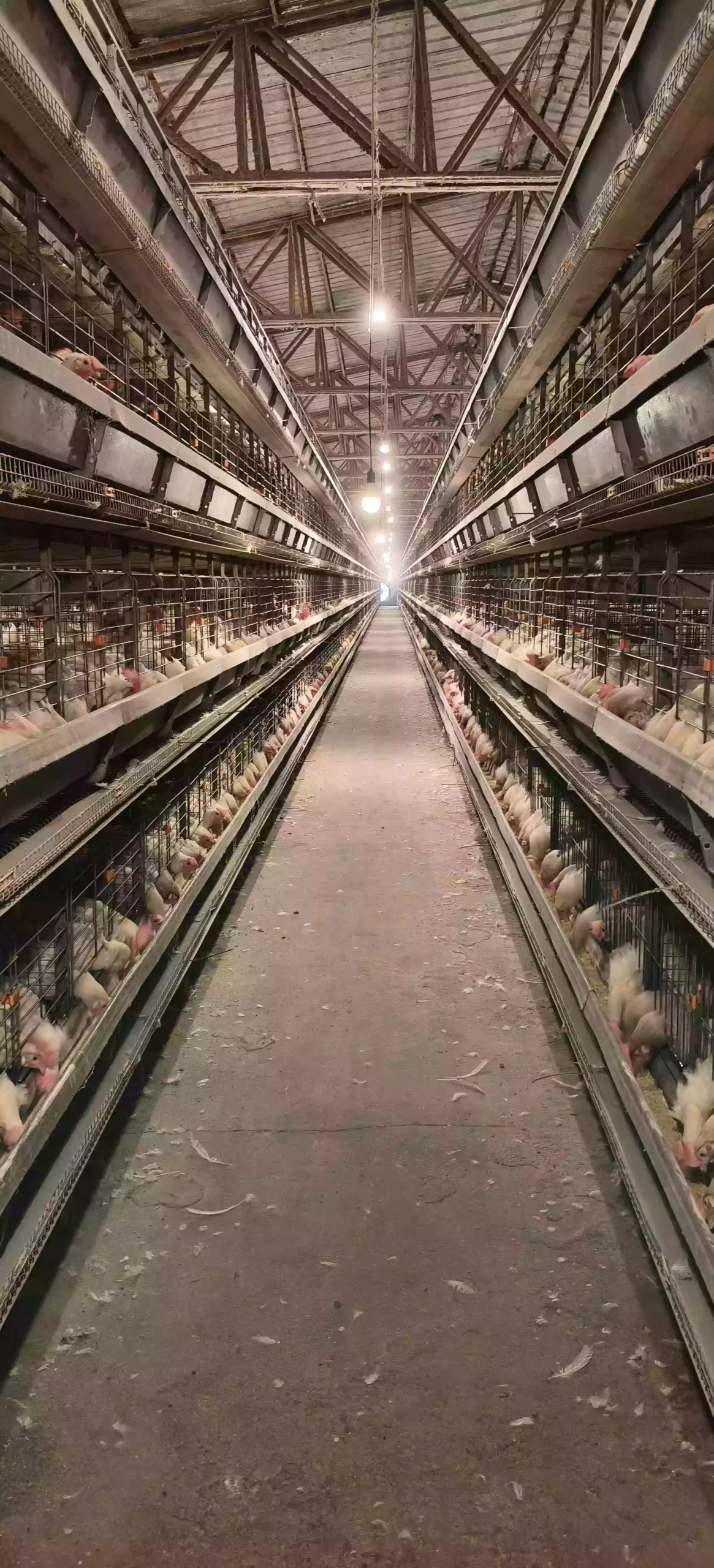


Under modern farming environments and scale, we farmers place great emphasis on flock vaccination. However, production practices reveal that different farmers achieve varying immune results even when using identical vaccination programs or the same vaccines. Clinical investigations show numerous oversights during immunization. Here is a summary of the key issues, particularly relevant for battery cage hen management:
1. Vaccination Programs Not Tailored to Local and Farm-Specific Disease Prevalence
Creating a vaccination program is the most critical measure for guiding immunization on a farm. While many reference programs are available, they may not suit your specific operation. Therefore, developing a program must consider not only regional disease trends but also the farm’s unique disease situation, the physiological patterns of the battery cage hen, and antibody decay rates.
2. Vaccine Strain Mismatch with Circulating Field Strains
Many vaccine strains exist. When selecting a vaccine, first identify the local strain types, serotypes, or subtypes. Protection is only achieved when the vaccine’s strain matches the circulating field strain; otherwise, it offers little to no protection for your battery cage hen flock.
3. Incorrect Vaccination Techniques and Methods
Improper technique undermines vaccine efficacy. Different vaccines require specific methods: inactivated vaccines often use subcutaneous neck or intramuscular injection; fowl pox vaccines require wing-web stab vaccination; Newcastle Disease live vaccines employ drinking water, spray, eye-drop, or intra-nasal routes. Correct method and technique are essential for optimal protection in a battery cage hen environment.
4. Incorrect Timing of Vaccination
Achieving ideal results requires careful timing. First, consider flock health—vaccinate only healthy birds. If the battery cage hen flock is unhealthy, postpone until recovery. Second, consider potential interference between different vaccines. Finally, avoid stress three days before and after vaccination, as it suppresses immune response. Administering anti-stress additives during this period is crucial.
5. Inaccurate Vaccine Dosage
Some farmers habitually increase vaccine doses, especially with Newcastle Disease live vaccines, believing more is better. This is unscientific. Both under-dosing and over-dosing yield suboptimal results. Insufficient doses fail to stimulate adequate or lasting antibodies, while excessive doses can cause immune paralysis or toxic side effects in battery cage hen flocks.
6. Incomplete Flock Coverage (Missed Birds)
While farmers often hire vaccination teams, recent antibody tests show increasing missed birds, especially on large-scale farms. Missed battery cage hen individuals have poorer resistance and are prone to illness, potentially leaving the entire flock subclinical. Ensuring 100% coverage during any vaccination is essential.