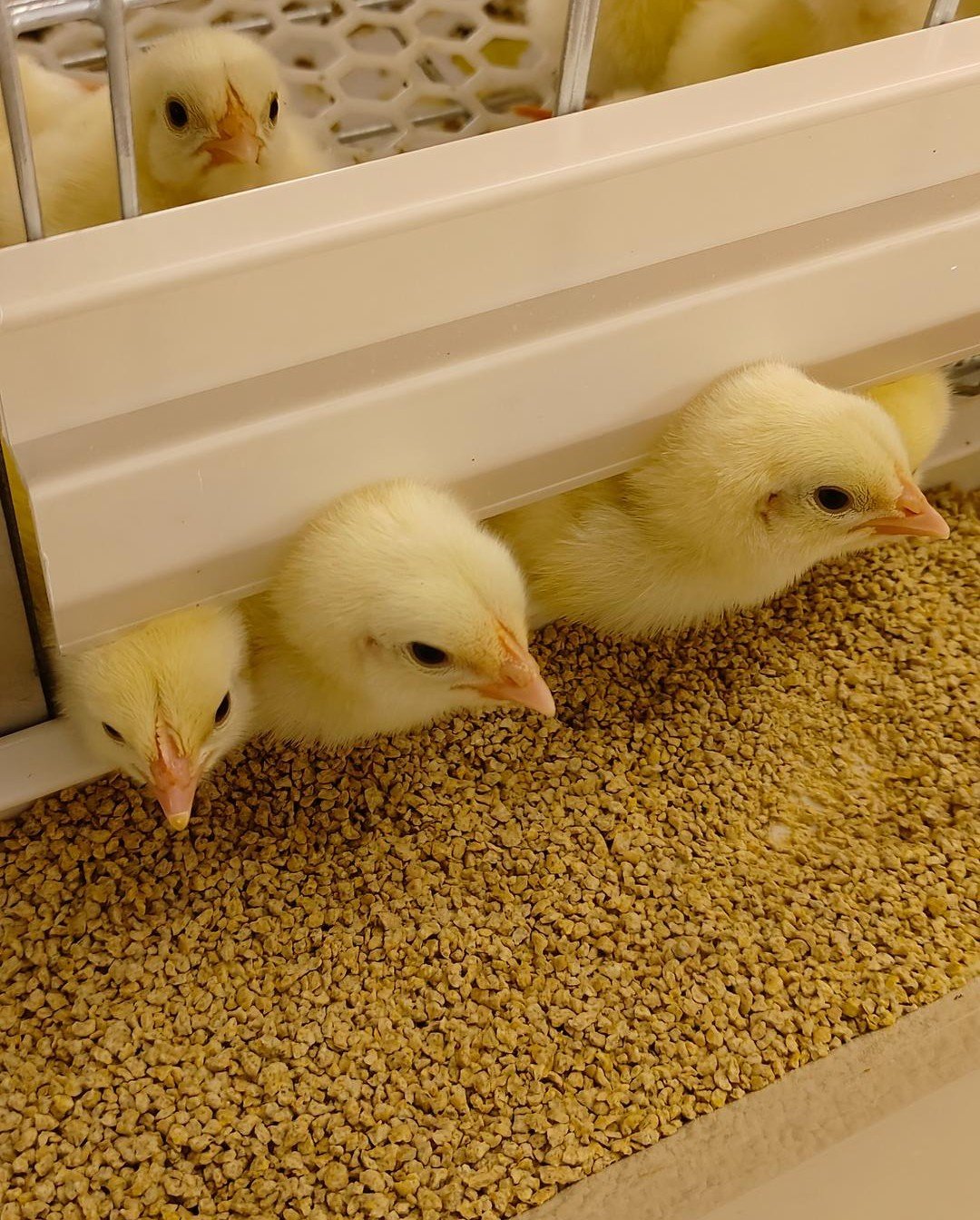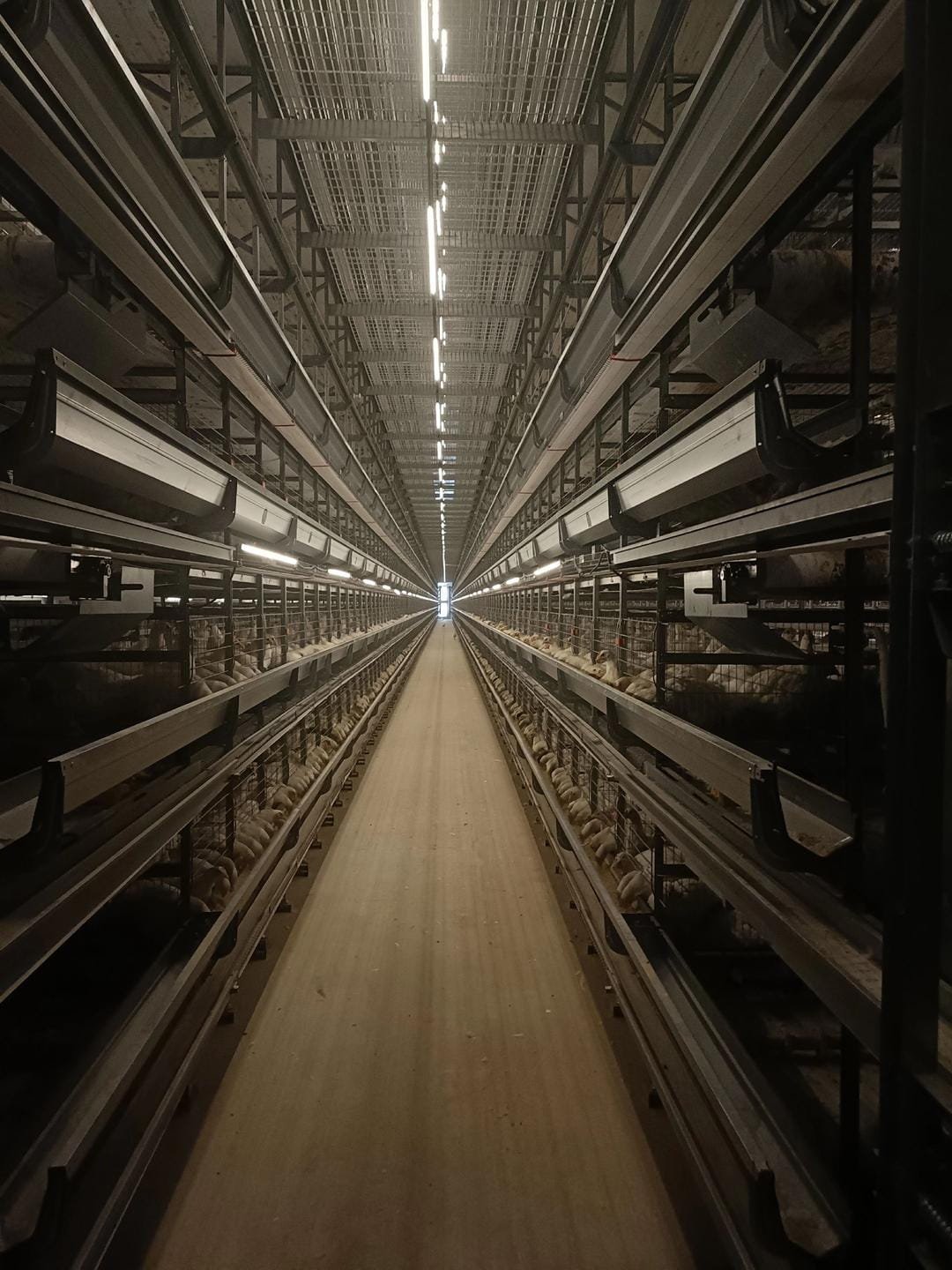

Water: The Most Important Nutrient in Chick Rearing Cage Management
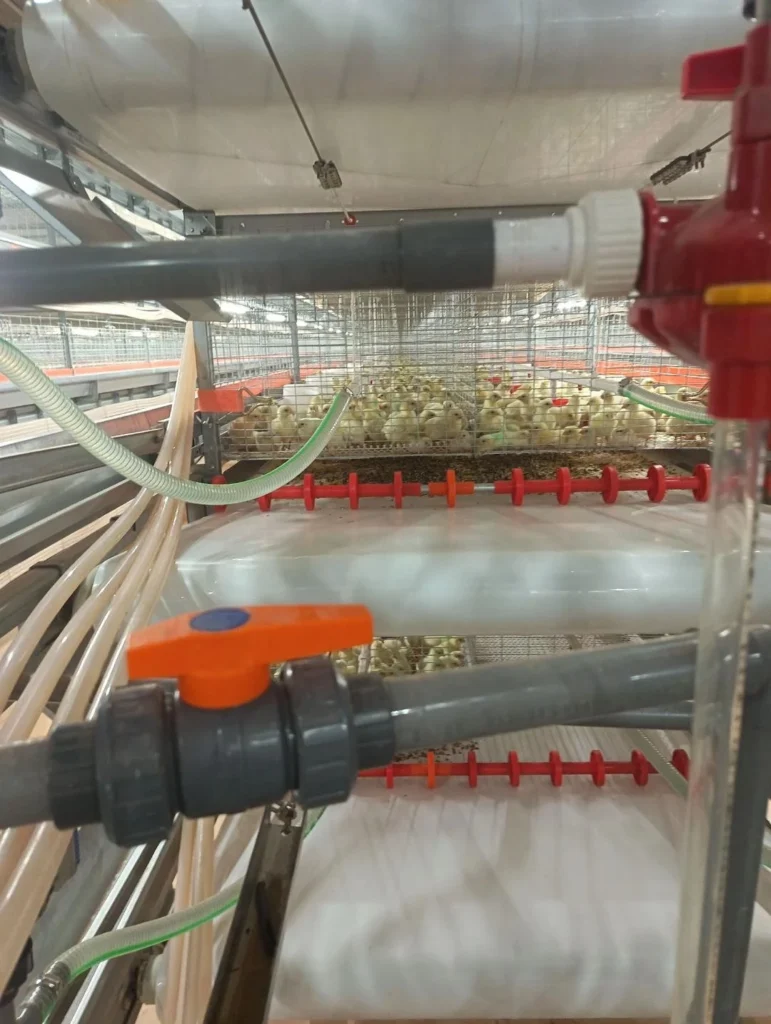
Water is the most essential nutrient. Although easily accessible, it is often overlooked in animal production. Water constitutes 1/2 to 2/3 of an adult animal’s body composition, and in newborn animals, it can be as high as 80%. Therefore, ensuring adequate water supply and drinking hygiene is critical. Generally, healthy chickens consume 1.5 to 2 times as much water as feed, though this ratio fluctuates with ambient temperature.
During the brooding period, chick growth is closely tied to water quality and availability. Providing high-quality drinking water is therefore vital for chick health and future production performance.
Key Considerations for Water Management in a Chick Rearing Cage
- Cleanliness and Hygiene: Water must be clean and free from pathogenic microorganisms. Drinkers or water lines should be regularly cleaned and disinfected.
- Sufficient Supply and Proper Temperature: Ensure waterers are filled or water lines have adequate flow, good water quality, and appropriate pressure. Pre-warm the water to match the room temperature before chick arrival.
- Encouraging Initial Drinking: Upon placement in the chick rearing cage, chicks need guidance to find the water source. Inducing them to drink helps them quickly learn the water location, forming a drinking memory that effectively prevents dehydration. Always check that water lines are functioning.
- Bell Drinkers: If using bell drinkers, it is recommended to keep them for at least one week before removal, giving chicks sufficient time to fully adapt to automatic drinkers.
- Automatic Nipple Drinkers: In reality, only weaker chicks or those debeaked at the hatchery may require bell drinkers. The vast majority of chicks can use nipple drinkers independently when the height is properly adjusted.
- Adjusting Water Line Height: The height of water lines should be adjusted as the chicks grow to ensure easy access to water.
- Feeding Timing: Provide feed only 1-2 hours after initial watering to promote rapid absorption of the yolk sac.
- Additives: Electrolytes or 2-5% glucose can be added to the water to alleviate transport and new environment stress.
- Medication Selection: Appropriate medications may be chosen. Florfenicol is not recommended; enrofloxacin can be used as a starter antibiotic.
Some customers experience varying degrees of water deprivation due to insufficient drinkers, low water line pressure, clogged nipples, or high stocking density in the chick rearing cage. This results in “dry-foot” chicks, which subsequently grow slowly and negatively affect flock uniformity.