
How to Ensure Good Chick Quality: A Complete Guide for Poultry Farmers
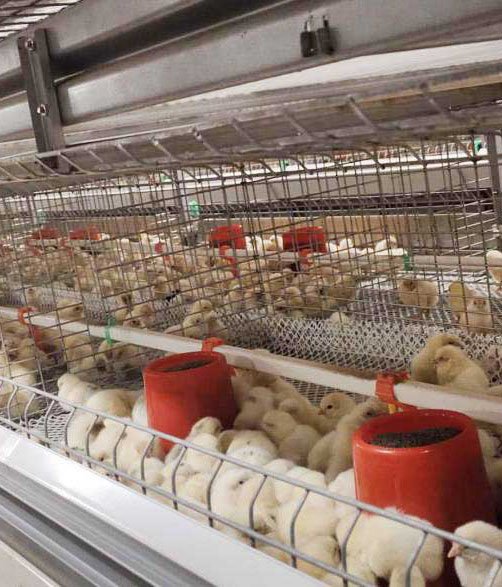
Good chick quality is one of the most important guarantees for the success of your poultry operation. Today, let’s discuss what actually makes a “good chick” — and how brooding cages for chickens play a role in protecting that quality from day one.
1. What Is Good Chick Quality?
This is a highly subjective question — standards can vary greatly, and different people will give very different answers.
- Hatchery manager — wants as many chicks as possible — ideally the maximum number of Grade A chicks.
- Broiler farm manager — wants fresh chicks with good vigor, clean beaks and navels, and low mortality.
- Veterinarian — wants chicks that are energetic, with clean, well-healed navels.
Over the years, both internationally and domestically, several chick quality monitoring systems or assessments have been developed, but generally they do not correlate well with 7-day mortality levels.
2. Chick Grading
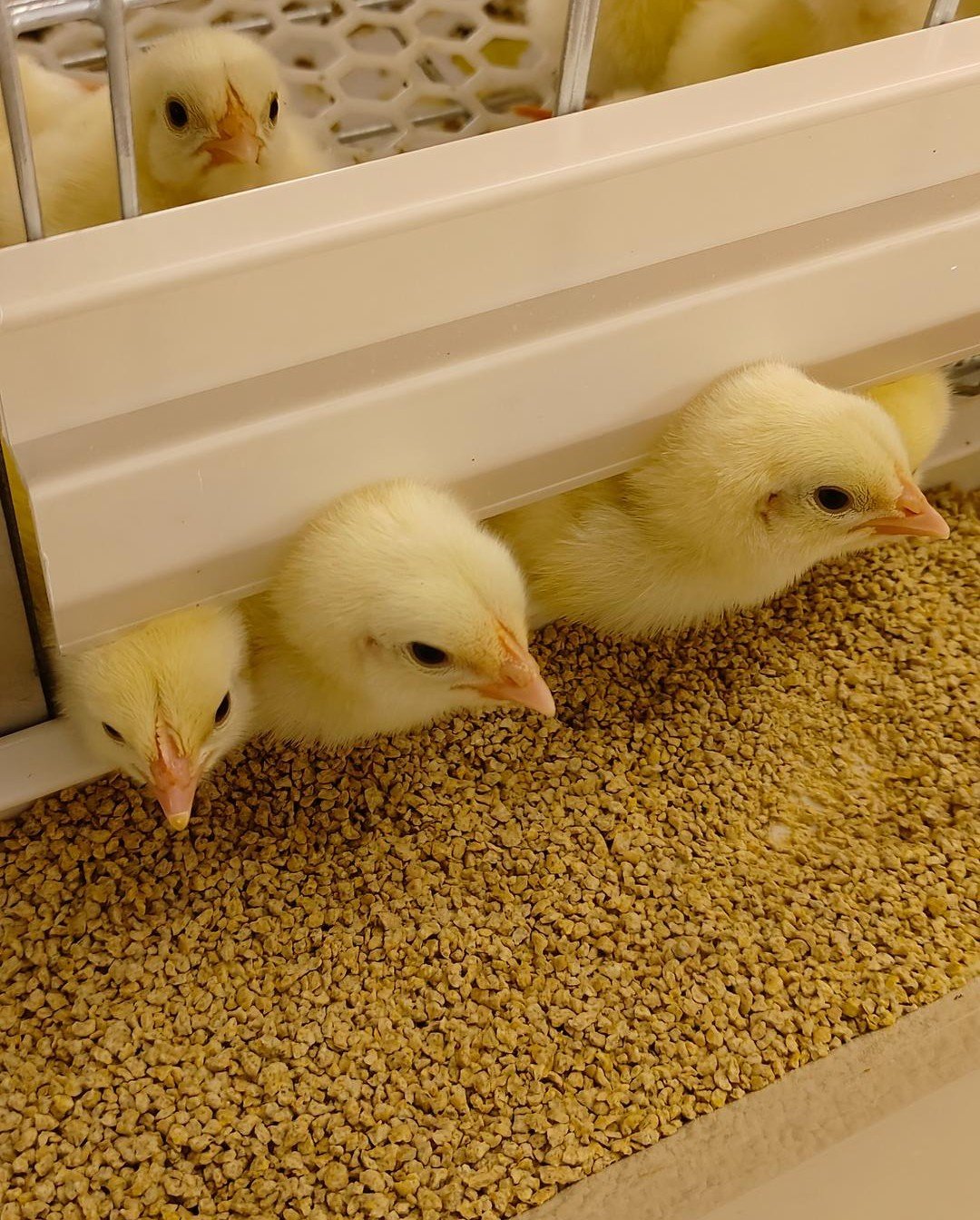
The following are typical characteristics of good-quality chicks identified in the hatchery:
Traditional observations of chicks:
- Standing upright with clear, bright eyes
- Clean, well-healed navel
- Good feather coverage
- Color — not pale
- Few defects — toes, legs, beak, etc.
- No infections — yolk sac, omphalitis (navel ill)
Newer concepts used to correlate chick quality with broiler performance include:
- Chick weight / uniformity
- Day-old chick length
- Eggshell temperature
- Cloacal temperature
- YFBM (residual yolk weight)
- Chick yield % (chick weight as a percentage of egg weight)
- Organ weights (heart, viscera, gizzard) — but this is destructive
- Enzyme activity and oxidative stress in blood samples
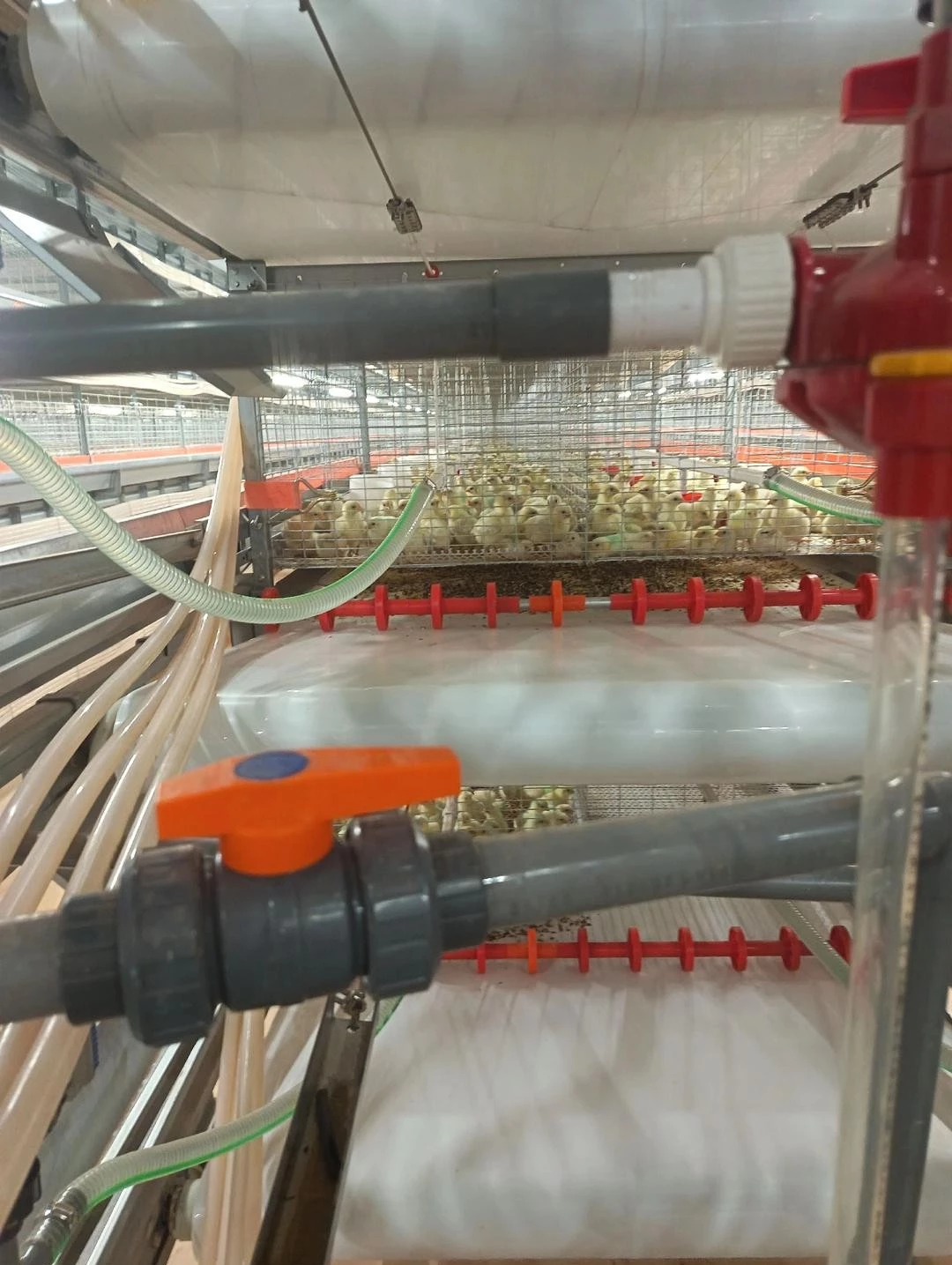
The best parameters are those that correlate closely with final broiler performance (7-day body weight and 7-day mortality). Chick quality is a direct reflection of hatchery management — and once chicks arrive at the farm, proper brooding cages for chickens are essential to maintain that quality.
3. Key Factors Affecting Chick Quality
Below are some common factors that can affect chick quality and lead to higher 7-day mortality levels:
Temperature
Too high / too low or significant fluctuations can affect:
- Hatch time (too early / too late)
- Chick weight (yolk absorption)
- Hatchability level
- Culling rate
- Incidence of “red beaks”
Humidity
Affects:
- Chick yield percentage and 7-day mortality
- Incidence of “red hocks”
- Navel quality
Hatching – Transport – Arrival
This process is often underestimated. After spending 21 days producing good-quality chicks, it is very easy to compromise chick quality with just 30 minutes of poor handling conditions.
- Poor or insufficient ventilation or airflow, causing chicks to overheat and pant
- Lack of air volume / movement (oxygen), causing chicks to become listless and “flat” in the box
- Too cold / over-ventilated, causing chicks to “huddle” in boxes
- Boxes stacked too closely together
- Too many chicks per box
- “Dead zones” of air movement/circulation in the room
Typical Signs of Over-Incubation
- Prominent leg veins
- Premature wing feather growth
- Excessive meconium on eggs
- Membrane separated from shell
- Chicks overheated with slight pressure
Red Hocks
Usually associated with insufficient moisture loss (especially in the incubator), resulting in small air bubbles. Due to reduced oxygen supply, this small air sac can weaken or affect chick vitality, causing the hocks to be damaged as the chick tries to quickly push itself out of the shell.
Navel Quality
Usually associated with high temperature and high humidity levels, or a combination of both, mainly in the incubator.
- Large navel strings
- Leaking navels
- Wet navels
Chick Yield Percentage
The rule of thumb for hatching is that the chick weight should be two-thirds (67%) of the egg weight. In antibiotic-free environments, we have seen a clear correlation between poor chick yield and 7-day mortality levels. This can also include the hatching time of the chicks, as they are mostly consistent.
- Chicks that hatch later (fresher chicks) have more residual yolk and a higher chick yield percentage
- Chicks that hatch earlier have absorbed more yolk and produce lower or normal chick yield percentages (66 to 68%)
When more yolk is present, chicks are more susceptible to secondary infections from stress factors, leading to E. coli infections or colibacillosis. When chicks consume feed and water on the farm, bacteria multiply, causing high mortality in chicks aged 2–3 days up to 6 days old.
4. Summary
The key indicators for determining “chick quality” are:
- Chick yield percentage — (66% to 68%)
- Eggshell temperature — 37.7 to 38.0°C (100.0 to 101.0°F) at transfer
- Cloacal temperature — controlled, consistent, no panting/huddling — 40.0 to 40.6°C (104 to 105°F)
Final note: Good chick quality starts at the hatchery, but it must be protected from the moment chicks arrive on the farm. Proper brooding cages for chickens provide the right temperature, ventilation, and space for chicks to thrive during those critical first days. Investing in quality brooding cages for chickens is investing in the future performance of your flock.