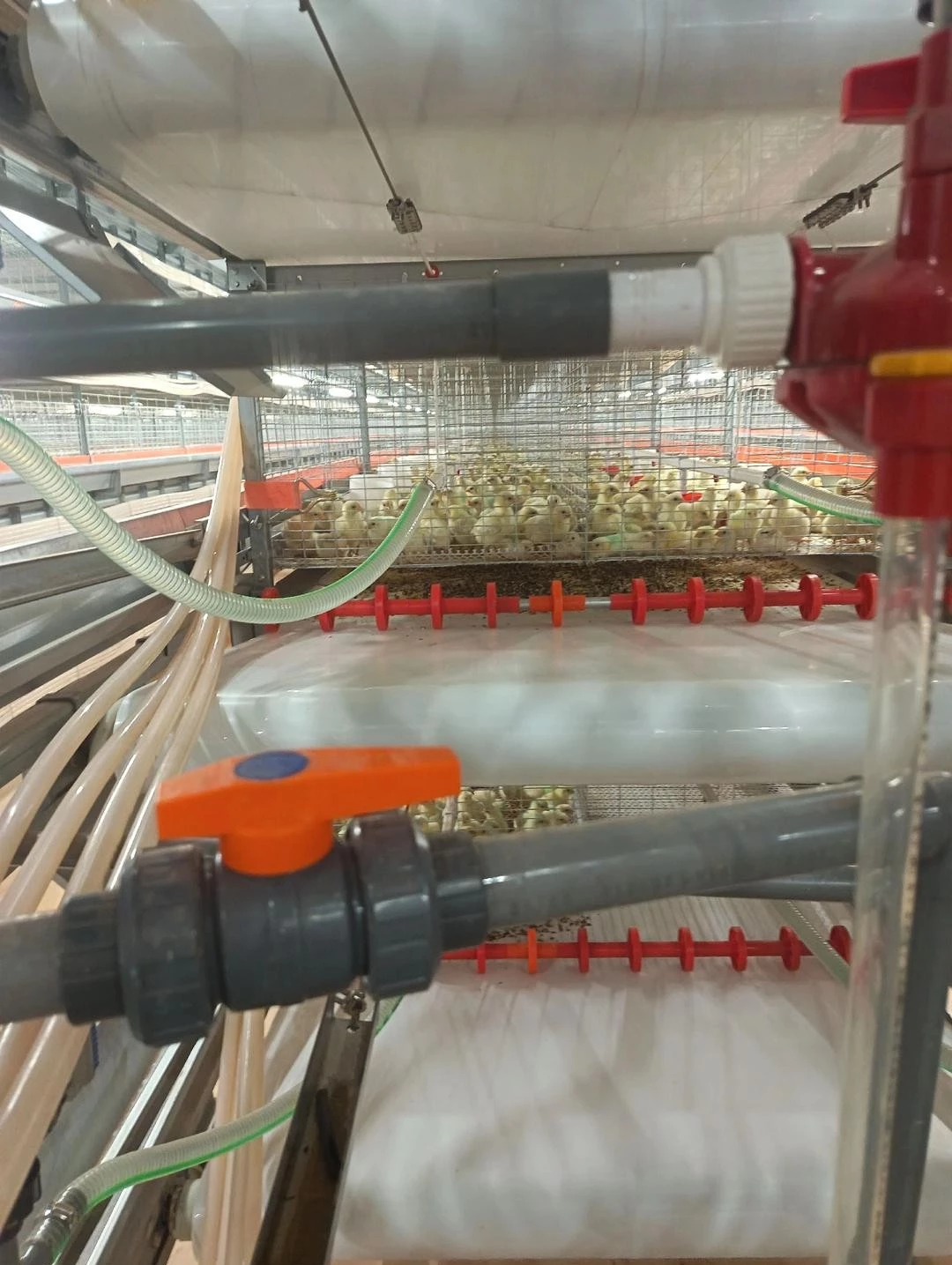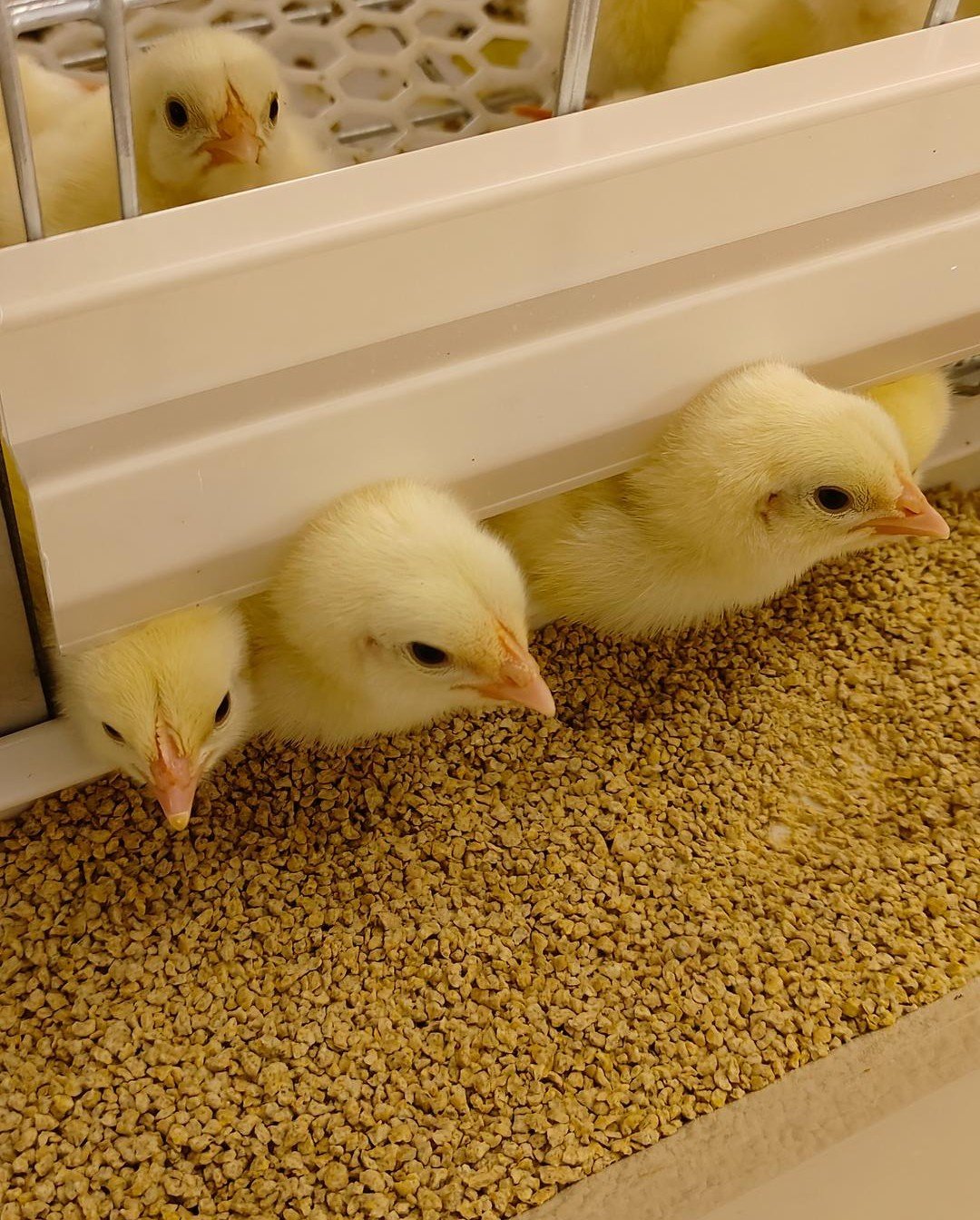

How can automatic poultry farm maximize the potential of laying hens?
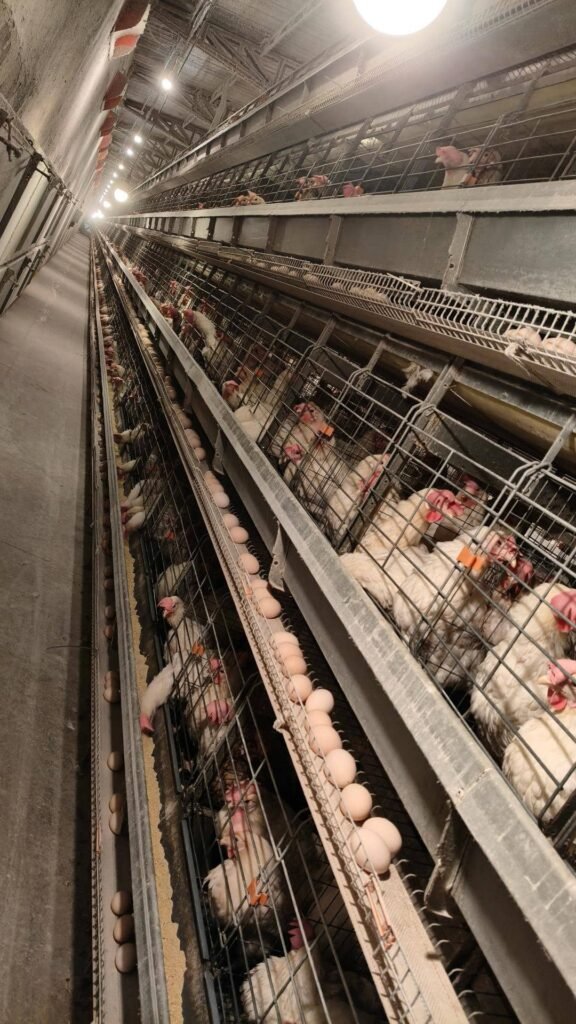
Optimizing Rearing for High-Yield Layers: A Guide to Uniformity, Weight Management, and Peak Production
Success in automatic poultry farm operations hinges on precise management, especially during the pullet rearing phase. A well-prepared, uniform flock is the cornerstone of achieving a high, persistent production peak. This guide details the critical management pillars for building a successful flock in a modern, automatic poultry farm system.
1. Achieving Superior Pullet Uniformity
Pullet uniformity is a key indicator of rearing success. A uniform flock ensures synchronized sexual maturity, consistent onset of lay, and a higher, more stable peak production. Management must start from day one.
- Early Management: Beyond scientific control of temperature, humidity, feed, stocking density, and vaccination, it is crucial to separate strong and weak chicks for rearing, providing enhanced nutrition to weaker birds.
- Grow-Out Management: Manage the flock based on the needs of the majority to minimize individual variation.
- Optimal Stocking Density: Avoid overcrowding, which leads to poor environmental conditions and inadequate feeder/waterer space, directly harming uniformity.
- Regular Weight Sorting: Periodically sort birds into large, medium, and small groups. Implement necessary feed restriction for overweight groups and supplemental feeding for underweight groups to minimize weight variation, achieving uniform body weight at point-of-lay.
2. Ensuring Standard Body Weight and Frame Development
Body weight and skeletal development are fundamental metrics. Bone development (measured as tibia length) is closely linked to future egg size and shell quality. The goal is to have both weight and frame reach standard targets simultaneously at maturity.
- Monitoring: Regularly sample and measure body weight and tibia length. Different breeds have specific standards. Excess fat (weight standard but short tibia) hurts egg production and shell quality.
- Adjustment Principle: Adjust energy intake based on adequate protein supply. Higher energy accelerates weight gain. Manage nutrition to ensure synchronized development of weight and frame, a vital practice in any automatic poultry farm.
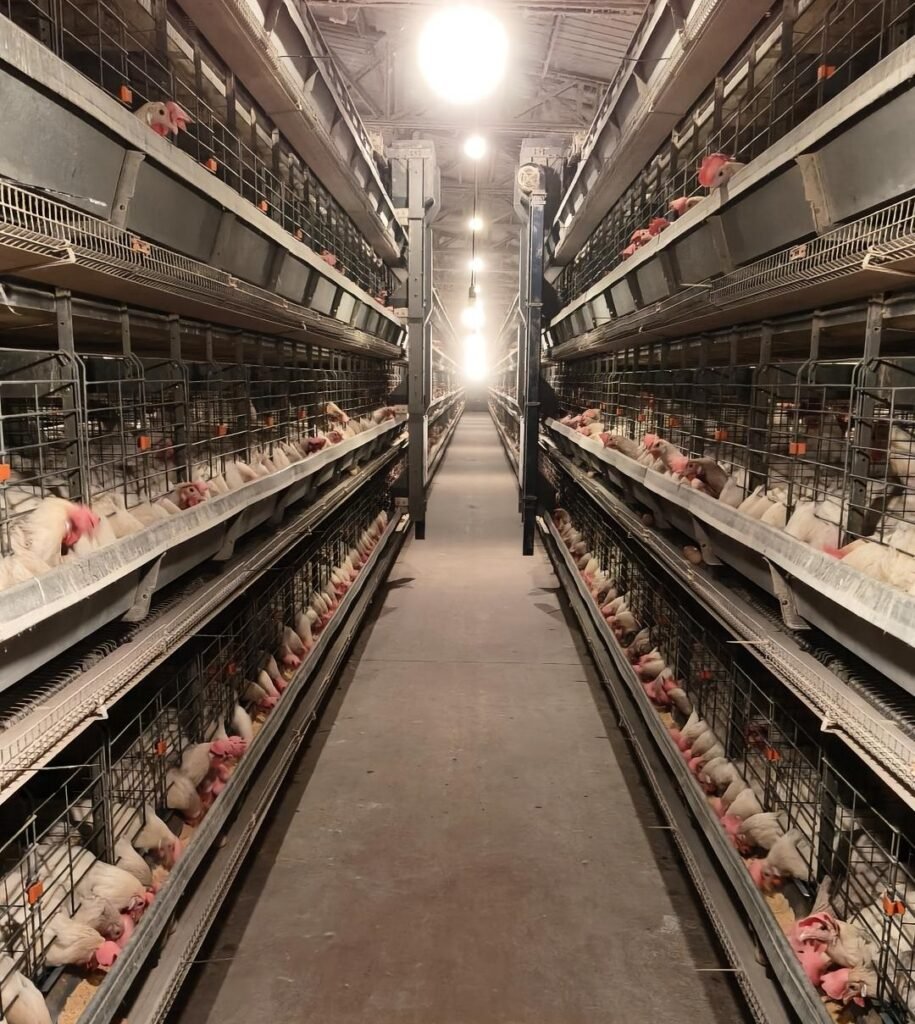
3. Controlling Age at Sexual Maturity
Sexual maturity is influenced by genetics and environment. A scientific lighting program is the primary tool for control.
- Light Stimulation: Hens become light-sensitive around 12 weeks. The timing for increasing day length should be based on body weight at 18-20 weeks.
- If weight is standard at 18/20 weeks, increase light by 1 hour weekly until reaching 16 hours.
- If weight is not standard, delay light increase by one week and enhance nutrition. This precise control is a hallmark of a well-run automatic poultry farm.
4. Enhancing Management During the Laying Period
- Optimal Temperature: Maintain house temperature between 13-23°C (55-73°F) for optimal production and shell quality.
- Ventilation: Ensure proper ventilation (natural or mechanical) to remove moisture, ammonia, and regulate temperature. Ventilate during the warmer parts of the day in winter.
- Lighting: Follow the principle of increasing or constant, never decreasing day length and intensity during lay to sustain production.
- Biosecurity & Hygiene: Maintain strict sanitation, regularly clean and disinfect equipment, and adhere to robust biosecurity protocols to prevent disease.
- Stress Reduction: Implement and follow consistent daily routines (lighting, feeding, ventilation) to minimize stressors that cause drops in production or shell quality.
5. Post-Peak Management
- Feed Restriction: Begin feed restriction 3-6 weeks after peak, when production drops by 4-6%. Make gradual, tentative feed adjustments based on the production curve and body weight to avoid sharp declines and prevent obesity.
- Culling: Regularly remove sick, weak, or non-productive birds.
- Preventing “Burn-Out”: Adjust nutrition to prevent excessive weight loss and premature molting due to the high metabolic demand of a prolonged peak.
6. Rational Medication Use During Lay
Focus on prevention. Avoid vaccination and deworming during peak production. If medication is necessary, proceed with extreme caution, adhering to withdrawal periods. Maintain rigorous disinfection protocols year-round, including water sanitization, to control diseases like E. coli, Salmonella, and Newcastle.
7. Strict Feed Quality Control
- Prohibit moldy feed and inferior additives.
- Provide complete, balanced diets meeting breed-specific standards.
- Manage Transitions Gradually: Any feed formulation changes (e.g., for season or life stage) must be made gradually to avoid digestive upset and production drops.
Conclusion
Mastering these interconnected aspects of pullet rearing, lighting, environmental control, and nutrition is essential for unlocking the full genetic potential of a flock. By implementing these precise management strategies, operators of an automatic poultry farm can build a foundation for exceptional productivity, longevity, and profitability, ensuring their investment in automatic poultry farm technology delivers maximum return.