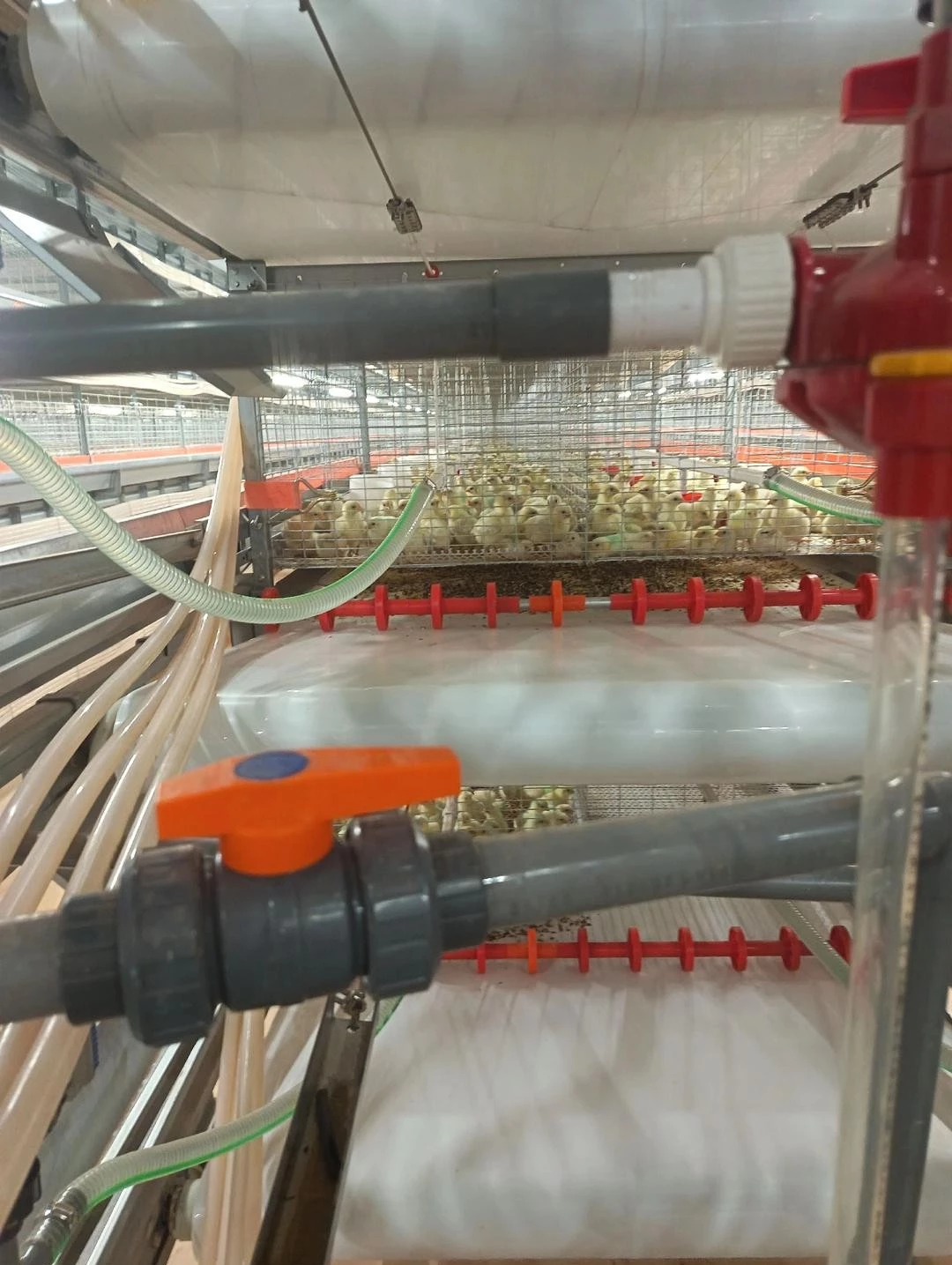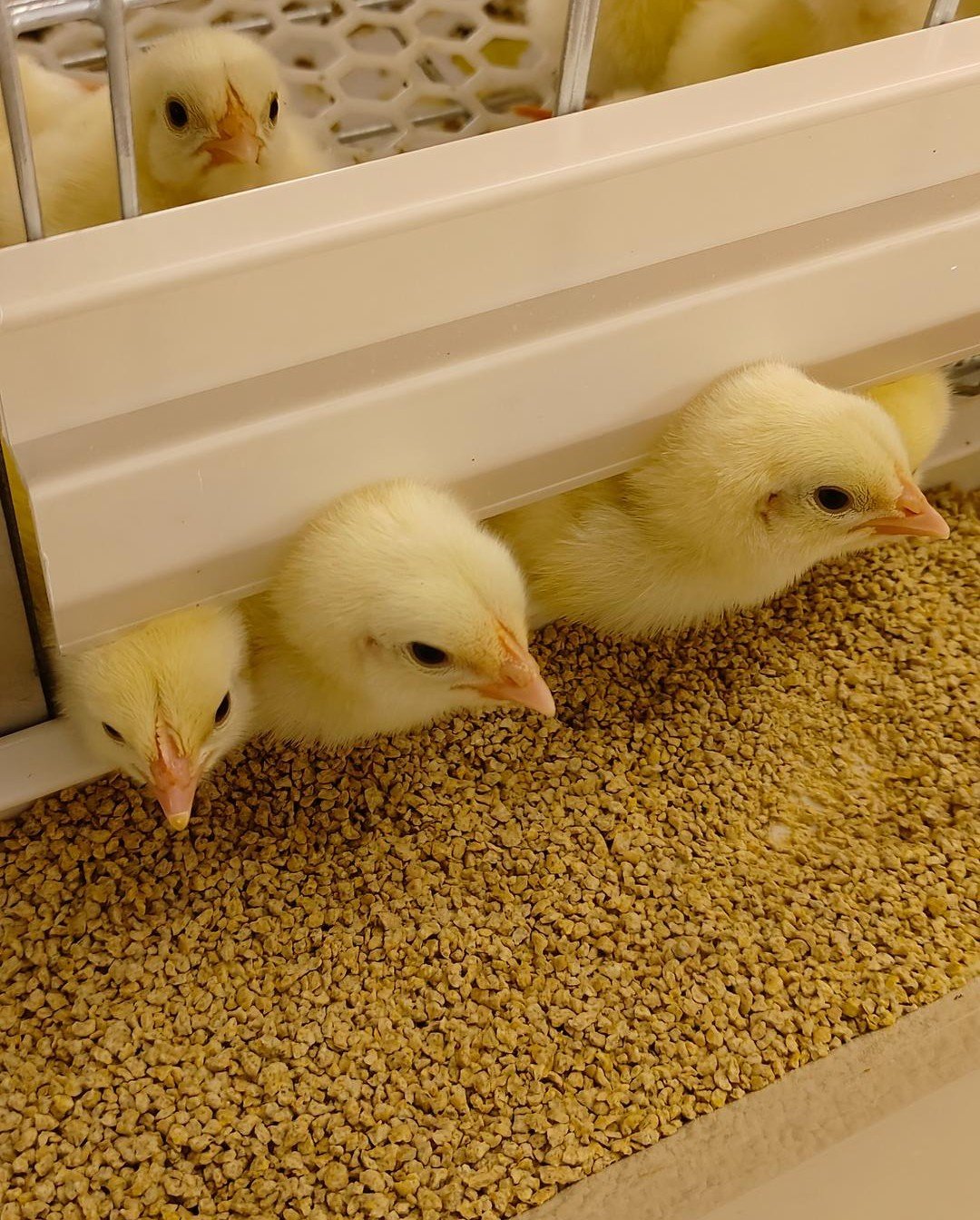

Illuminating Poultry Battery Cage: A Guide to Light Measurement & LED Lighting
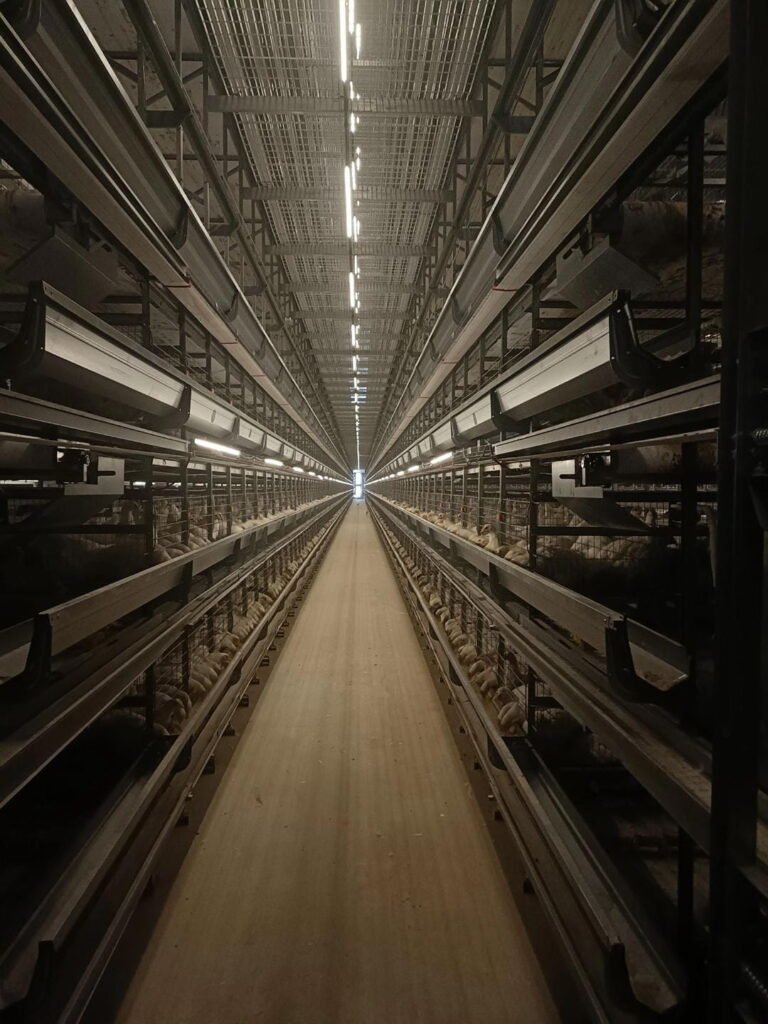
Introduction
Effective lighting is crucial for poultry health and productivity. This guide explains the core concepts of light measurement, the unique advantages and application considerations of LED lighting, and how to implement it effectively in poultry battery cage systems.
Part 1: Understanding Light Measurement
Light can be measured in three key ways, essential for evaluating poultry battery cage lighting:
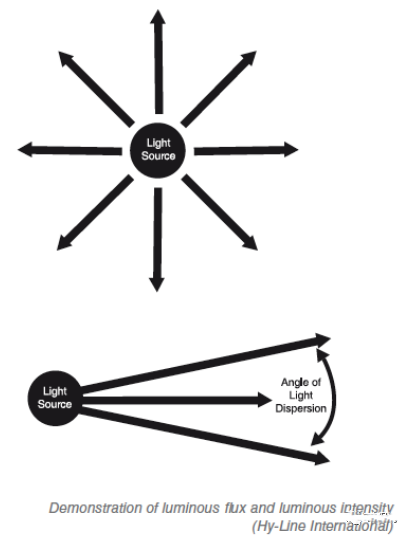
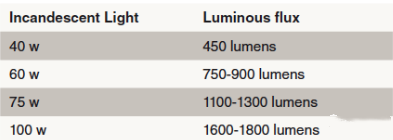
- Luminous Flux (Lumens): The total visible light emitted by a bulb.
- Luminous Intensity (Candelas): The directional brightness of a light source.
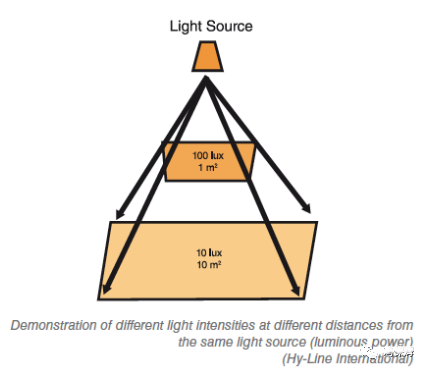
- Illuminance (Lux/fc): The amount of light falling on a surface (lumens per square meter/foot).
Key Conversion: 1 lux = 1 lm/m² = 0.0929 fc. Brightness decreases as light spreads from the source.
Part 2: Why Standard Light Meters Fall Short for Poultry
Traditional light meters are calibrated for human vision (550–560 nm) and cannot accurately assess blue or red spectra. Chickens have a broader visible spectrum, making specialized meters essential:
- Poultry-Specific Light Meters: Calculate “clux” (effective light intensity for chickens).
- LED-Specific Light Meters: Analyze the full spectrum output for human vision.
Using lumens alone for LEDs can be misleading due to their directional nature. Factors like beam angle, color spectrum, and intended use must be considered alongside power.
Part 3: Advantages & Critical Considerations for LEDs in Poultry Housing
LEDs are increasingly popular in poultry battery cage operations due to energy savings, full-spectrum capability, and long life.
1. The Importance of Lens Diffusion & Beam Angle
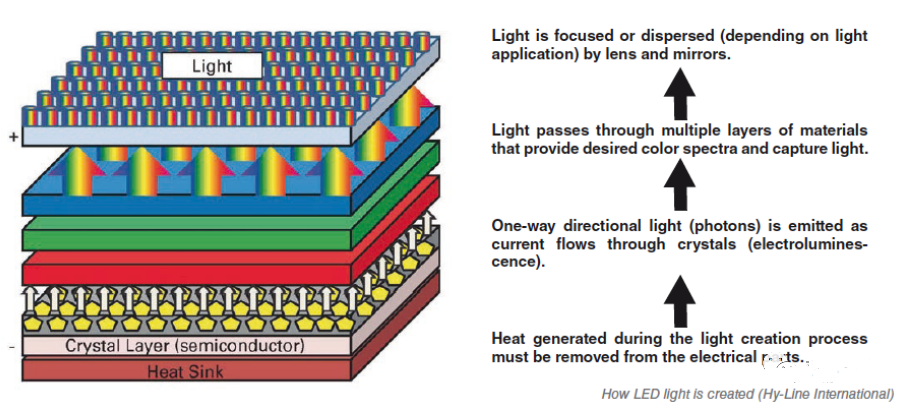
LED light is inherently directional. Poor diffusion or placement in a poultry battery cage house can create shadows.
- Beam Angle: A very narrow beam (<120°) can create “spotlight” effects with bright and dark zones. A very wide beam (>180°) is better for floor systems. A medium beam (90–150°) is often versatile.
- Placement is Key: Uneven light distribution can increase floor eggs in aviaries or cause inconsistent lighting in cages. Proper spacing and height, often calculated with manufacturer software, are vital.
2. Spectral Quality Matters More Than Lumens
Two 800-lumen LEDs with different color spectra can elicit different responses from birds. Correlated Color Temperature (CCT/Kelvin) is not a full indicator of spectral quality, which is crucial for poultry.
3. Electrical & Dimming Requirements
- Wiring: Local codes may require direct wiring to junction boxes instead of screw sockets.
- Dimming: Requires compatible LED dimmers. Incompatible dimmers cause flickering, overheating, or failure. A good LED dimmer maintains stable performance at all levels.
Part 4: Choosing the Right LED Bulb for Poultry Battery Cages
- Poultry-Specific LEDs: Highest cost, but designed for bird vision and harsh farm conditions (cleaners, disinfectants).
- General Agricultural LEDs: More affordable; verify specifications (output, spectrum, Ingress Protection rating) before installation.
- Standard Household LEDs: Least suitable; often not rated for 16-hour daily use, leading to premature failure.
Selecting for Cage Systems: Directional lights (30-50° beam) placed on 6-8 ft centers can provide even light in tall poultry battery cage tiers, illuminating the slatted area and feed lines while keeping nests dimmer.
Conclusion
Light duration, spectrum, and intensity are paramount for optimal lay performance. While LEDs offer superior energy efficiency and longevity, their successful integration into poultry battery cage houses requires an understanding of their directional output, spectral needs of poultry, and correct electrical setup. Proper planning ensures uniform light distribution, promoting bird welfare and productivity in modern cage systems.