
Despair in the Broiler House: The Devastating Impact of Mold on Battery Cage Hen Health
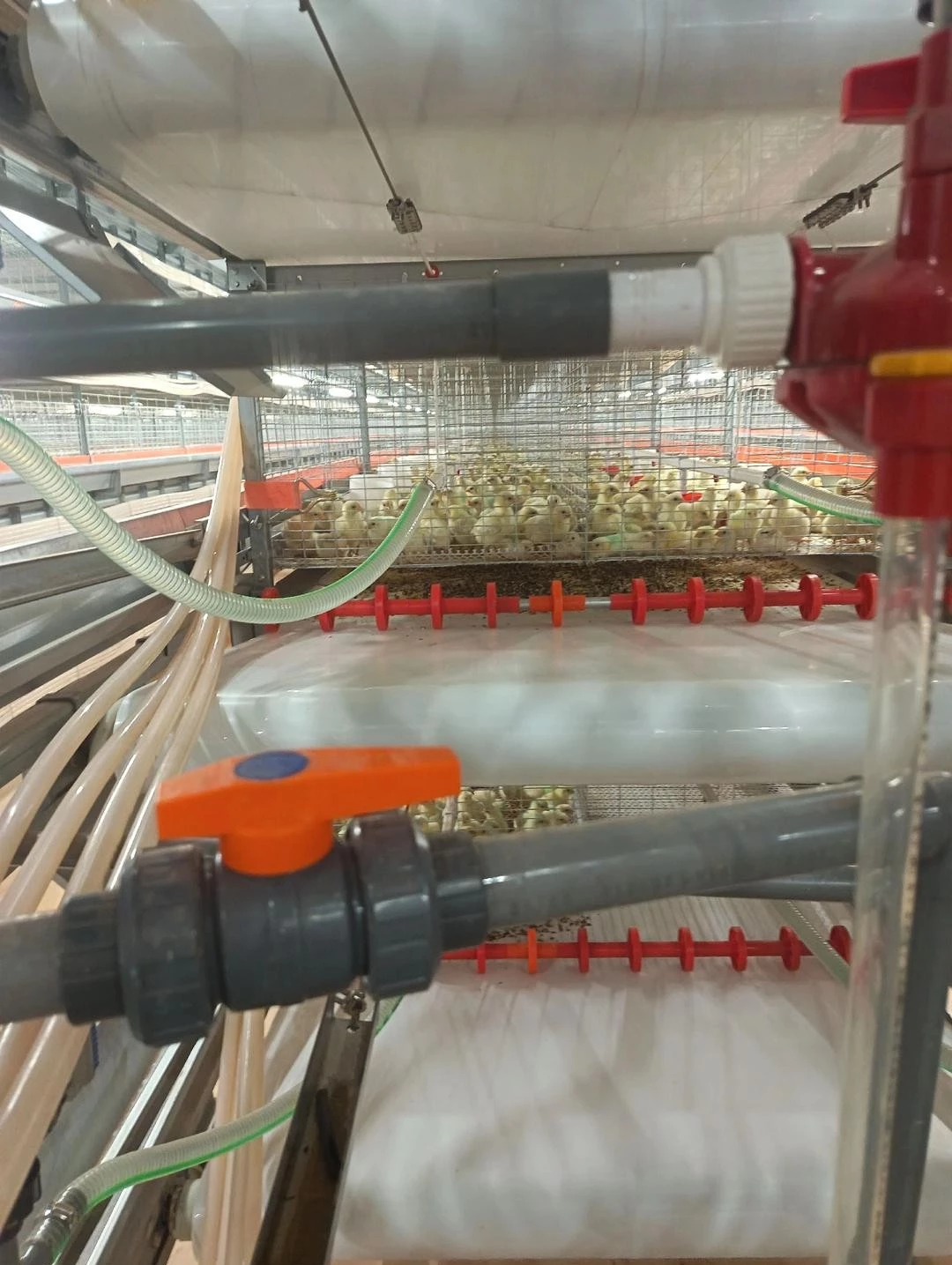
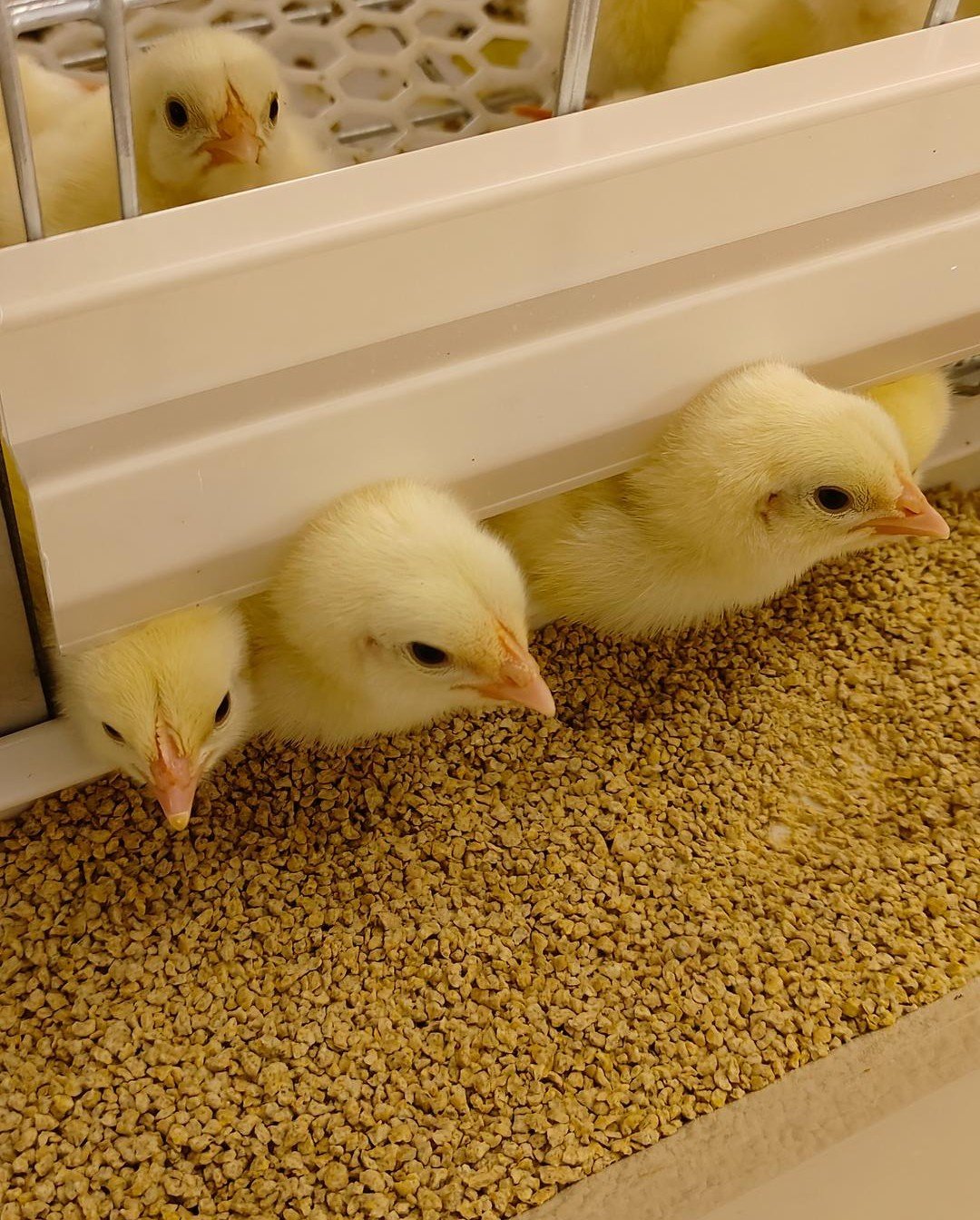
A cloud of despair hangs over the broiler house. The chicks are listless, their growth as slow as a snail climbing a slope. More worryingly, gizzard issues strike one after another—gizzard erosion and ventriculitis have become a nightmare that haunts farmers. Despite repeated rounds of medication, the problem persists. Diarrhea adds insult to injury, with watery feces smeared everywhere, leading to recurrent coccidial enteritis, while E. coli seizes the opportunity to invade. Farm owners are on edge, afraid to stop medication. Veterinary costs soar, feed is consumed relentlessly without corresponding weight gain. Most critically, the chickens’ immune systems have collapsed! Vaccinations are as ineffective as clay oxen sinking into the sea, with antibody levels stubbornly refusing to rise. In the later stages of farming, looming threats like atypical Newcastle disease and avian influenza hang like a sword overhead, ready to strike at any moment.
The breeding stock farms are equally bleak. The nesting boxes are deserted, with hatching egg production plummeting. Fertility rates are dismal, embryo mortality rates are climbing, and hatchability has hit rock bottom. The few eggs produced have shells as thin as cicada wings, shattering at the slightest touch. Immunosuppressive diseases run rampant through the flocks, keeping breeding farm owners awake at night with worry.
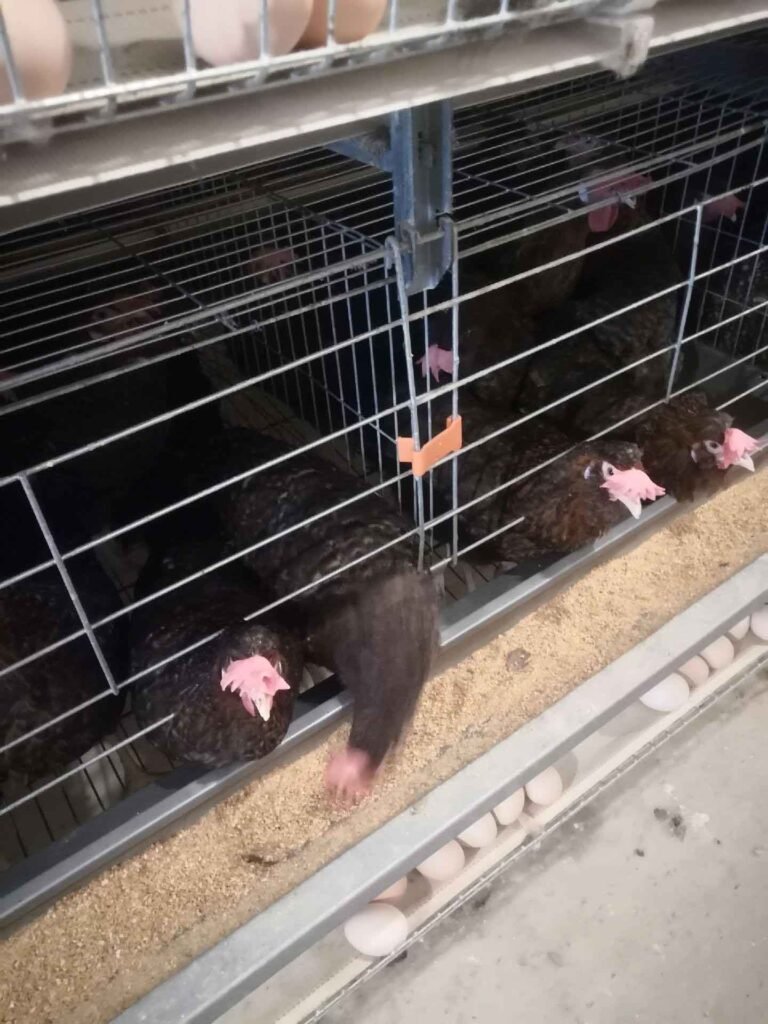
In the battery cage hen houses, the crisis runs equally deep. The hens’ egg production has dropped off a cliff, with broken and shell-less eggs everywhere; eggshell quality is appalling. The entire flock’s productivity has been halved, and the farmers’ hard work is on the verge of being wiped out.
Mycotoxins are the root cause of this disaster! Soaring raw material prices have pushed the risk of mycotoxin poisoning into the spotlight. With soybean meal as expensive as gold, feed mills are forced to seek alternatives—rapeseed meal, cottonseed meal, peanut meal, and sunflower seed meal are all making an appearance. These substitutes are like lurking venomous snakes, hiding large amounts of mycotoxins! High corn prices similarly compel manufacturers to use large quantities of by-products like rice bran and wheat bran. These ingredients appear to cut costs but actually open a Pandora’s box, introducing the specter of mycotoxins into chicken farms on a massive scale.
Even more terrifying is the covert molding of the raw materials themselves. Corn, soybean meal, and fish meal—the basic rations—are highly prone to mold in hot and humid environments. Global warming provides a five-star breeding ground for mold. During prolonged autumn rains, corn molds while still in the field; if drying is delayed after harvest, mold proliferates wildly. Aflatoxins, zearalenone, vomitoxin… these toxins are like invisible assassins, lurking in every moldy kernel of corn. Soybean meal and fish meal in storage are equally vulnerable, with mycotoxins silently permeating the feed chain.
Do you think the problem is only in the feed? The chicken house floor is equally fraught with danger! Bedding materials like peanut shells, rice hulls, wheat straw, and wood shavings become a gourmet buffet for mold in the warm, humid environment of the chicken house. When flocks peck at the bedding or feed scattered on moldy litter, toxins travel down their throates, attacking their internal organs directly.
Fight Back! The Battle to Eradicate Mycotoxins on the Farm
Source Sniping: Feed management is the lifeline! Guard against moldy raw materials rigorously; resolutely discard moldy feed. Warehouse management must be upgraded—ventilation, moisture prevention, and rodent control are all essential. Disinfect henhouses as strictly as an operating room; zero tolerance for moldy litter! Replace it immediately upon spotting mold. Remember, a clean environment is the first steel line of defense against mold.
Toxin Warfare: Regularly mix traditional Chinese medicine into feed; it powerfully adsorbs toxins and regulates gut health. Carefully add copper sulfate, iodine preparations, or gentian violet solution to drinking water to suppress mold directly. Western medicines like nystatin can serve as shock troops. It is imperative to add professional mold inhibitors or mycotoxin adsorbents to feed to form a protective barrier. Broilers need a “toxin cleanse” every fortnight. Layers and breeders require a 5-day intensive defense monthly, or a treatment course every 30-45 days. Most crucially, start blocking vertically transmitted toxins during the chick stage (3-5 days old)!
Chick Protection: The starter feed for chicks is like colostrum for infants—its quality is a matter of life and death! Use the purest, most nutritious feed to open the pathway to life. From 15 days old until peak lay is the flock’s most vulnerable “toxin-sensitive period.” Ensuring absolutely mold-free feed during this time is the golden rule determining farming success or failure.
This war against mycotoxins is a life-and-death struggle without the smoke of gunpowder. As soaring feed costs sweep through the industry and climate change fuels mold growth, only by upgrading our understanding, strengthening management, and applying scientific prevention can we safeguard flock health and protect profitability. Those invisible toxins are sneering in the shadows. Is your defense system truly fortified? On the farm, every moldy kernel of corn is laughing covertly. Every time you chance it, you pave the way for disaster. Only by engraining mold prevention awareness into daily routines and making cleanliness management second nature can we hold the line in this silent war, ensuring the crows of the battery cage hen continue to ring out loudly in the morning light, and sustain the productivity of the battery cage hen operations. The health of the battery cage hen is paramount to the entire operation.