The 24-Year Poultry Farmer’s Guide: Automatic Battery Cage System Management
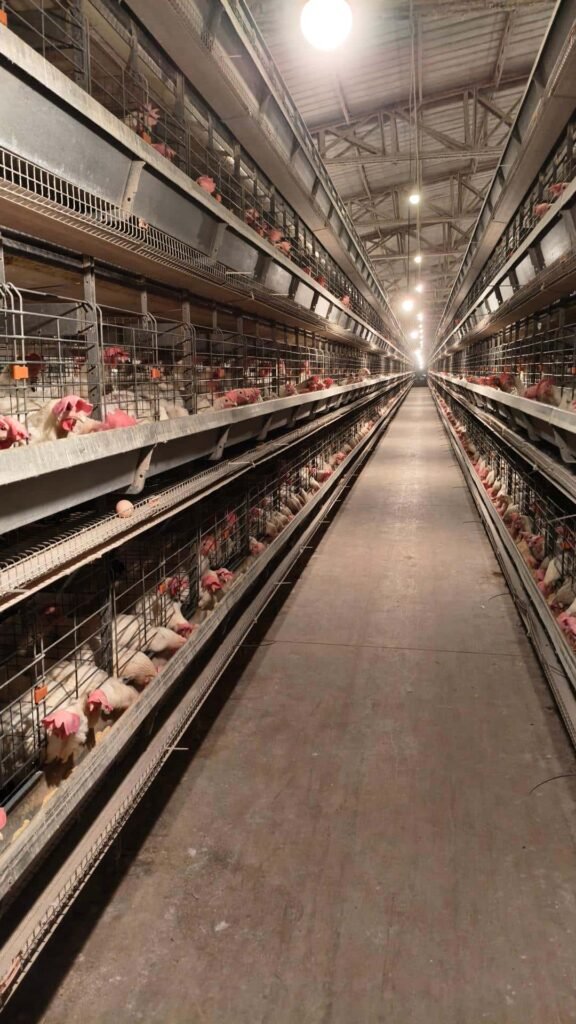
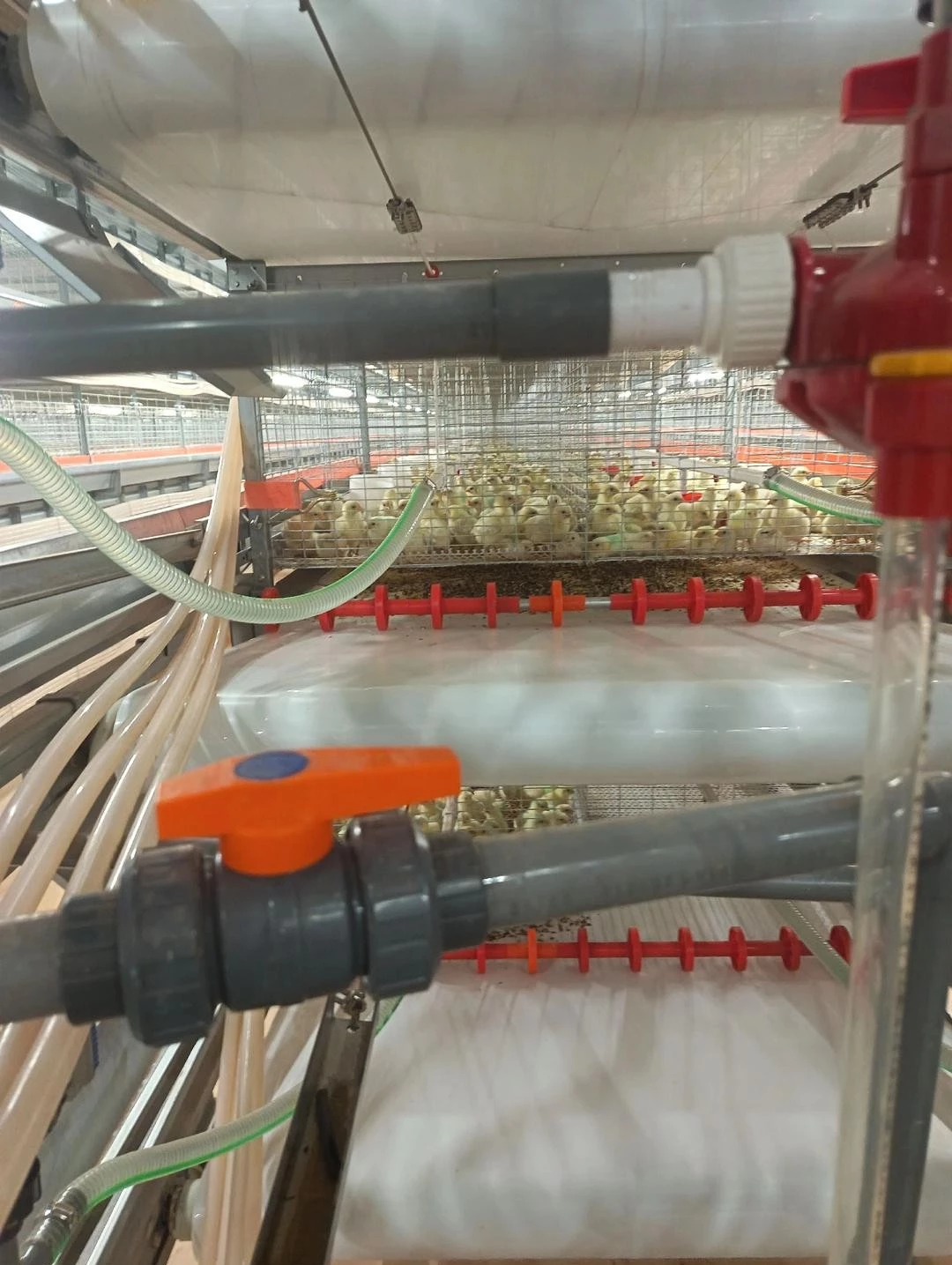
Drawing from 24 years of hands-on farming experience and the latest industry standards, I have compiled a comprehensive guide to managing layers from brooding to peak production. This article outlines the core principles of success using the automatic battery cage system and beyond.
I. Brooding Management: Laying the Foundation
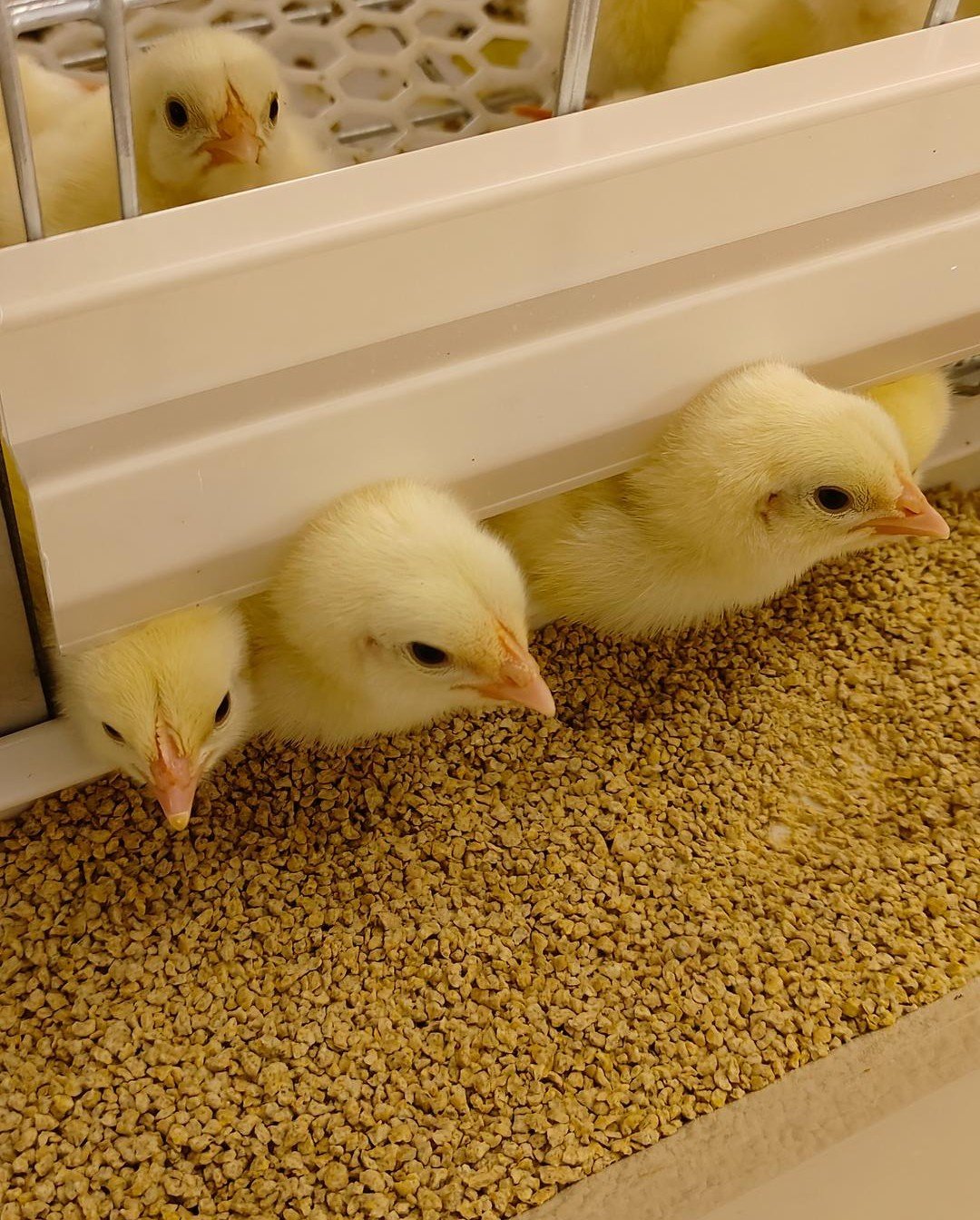
The brooding period is the most critical phase. Healthy chicks at this stage lead to two long-term benefits: strong immunity and easier disease treatment later on.
- Precise Environmental Control (The “Three Elements”)
- Temperature: Day-old chicks require >32°C. Reduce by 0.5°C daily starting Day 4, maintaining 29-31°C by the end of Week 1. Rule: “Prefer slightly lower over higher,” but never drop more than 2°C below standard.
- Humidity: Essential for even temperature distribution and preventing dehydration. Aim for 70% in the first week, 65% by Day 7, and 50-60% after Day 10. Note: Raise the house temperature slightly before spraying water to avoid chilling.
- Air Quality: Ventilate to replenish oxygen and expel harmful gases. Ammonia levels must be ≤ 10 mg/m³. If the air stings your eyes or nose, increase ventilation immediately. Clean manure daily to prevent ammonia buildup. Pre-warm incoming air to avoid drafts.
- Scientific Vaccination Schedule Avoid rushing vaccinations to avoid stress stacking. Space vaccines 7-8 days apart. According to the 2025 National Animal Disease Immunization Technical Guidelines, the recommended schedule is:
- 3-7 Days: Newcastle Disease (ND) Live Vaccine (1st dose).
- 10-14 Days: ND Live Vaccine (2nd dose).
- 12 Weeks: ND Live Vaccine (3rd dose).
- Pre-lay: ND Live Vaccine (4th dose).
- Crucial: Do NOT disinfect the house or administer medication 3 days before or after vaccination to ensure efficacy.
- Medication: Less is More “All medicine is poison” applies to poultry. Drugs strain organs and disrupt gut flora. Principle: No drugs if no disease. Use environmental control and management to replace “health supplements.” Use targeted medication only when disease is confirmed.
- Timely Culling & Grouping Cull weak/sick chicks within the first 4 days. Separate small chicks and place them near the heat source for special care. Sort weekly. By Week 4, divide into Large, Medium, and Small groups. Place small birds on the top tier and supplement with vegetable oil to catch up in weight.
II. Grower Management: The Bridge Phase
Focus shifts to body weight control and vaccinations.
- From Week 6, feed Grower Feed to Large/Medium birds; continue Starter Feed for Small birds (supplementing with oil if needed) until Week 8.
- Key Metrics: Average body weight (meets standard), Uniformity > 85%, and Tibia Length.
- Vaccinations: Administer ND and AI (Avian Influenza) vaccines at least 3 times during this phase. Maintain high antibody titers.
- Deworming: Perform twice before point-of-lay to prevent feed waste.
- Principle: No drugs unless disease is present.
III. Controlled Lighting & Peak Production
Never rush the start of lay.
- Weight is King: Do NOT increase light or change feed until the flock reaches target body weight.
- Scenario: Birds reaching standard weight at 17 weeks -> Start light/feed change.
- Scenario: Birds slightly underweight -> Delay 1-2 weeks.
- Scenario: Birds severely underweight -> Delay another 1-2 weeks.
- Lighting Management:
- Grower Phase: Keep lighting short (8-10 hours), never long.
- Pre-lay Trigger: When the flock reaches 80-90% of target body weight and uniformity is good, increase light by 15-30 minutes per week until reaching 14-16 hours/day. Maintain this duration.
- Feed Transition: Transition slowly. Once you see the first egg, gradually increase the proportion of Layer Feed to avoid diarrhea.
IV. Biosecurity: The First Line of Defense
Farm hygiene prevents disease.
- Perimeter: Plant trees for shade. Harden surfaces to eliminate disinfection dead zones. Strictly separate Living Quarters from Production Areas. Prohibit trading of eggs/medicine inside the farm.
- Personnel: Anyone who visited another farm must change clothes and disinfect before entering.
- Pest Control: Install baffles and steel mesh on windows/openings to prevent rodents and birds.
- Sanitation: Disinfect the perimeter every 2 weeks with 2% Caustic Soda or quicklime. Maintain a disinfection foot bath at the entrance; change solution weekly.
V. Feed Management: Controlling the Input
Quality feed is the basis of health.
- Supplier: Choose reputable large manufacturers.
- Mycotoxin Control: Strictly control mold. New corn moisture content must be 14-15%. Screen corn to ensure <1% damaged kernels and <1% impurities.
- Transition: Blend new corn with old corn gradually: Week 1 (1:3), Week 2 (1:1), Week 3 (3:1), Week 4 (100% new).
- Supplements: Add 1 kg of Amylase per ton of feed during the transition period to break down resistant starch.
- Nutrition: Supplement vitamins, trace minerals, and anti-stress nutrients regularly based on growth stage and egg production.
Conclusion
Success in poultry farming is a chain: Brood Right, Grow Strong, Lay on Time, Secure Biosecurity, and Manage Feed. Each link is vital; failure in one breaks the chain. There are no shortcuts. Instead of searching for “magic pills,” implement solid management. This is the true secret to stable, high-volume production, especially when utilizing an automatic battery cage system for efficiency and control.