
Optimizing Broiler Cage Farming: Critical Insights on Ventilation, Oxygen, and Environment
Success in broiler cage farming hinges on precise environmental control. Based on research and field data, here is a technical breakdown of key factors affecting flock health and performance.
I. Oxygen Requirements vs. Reality
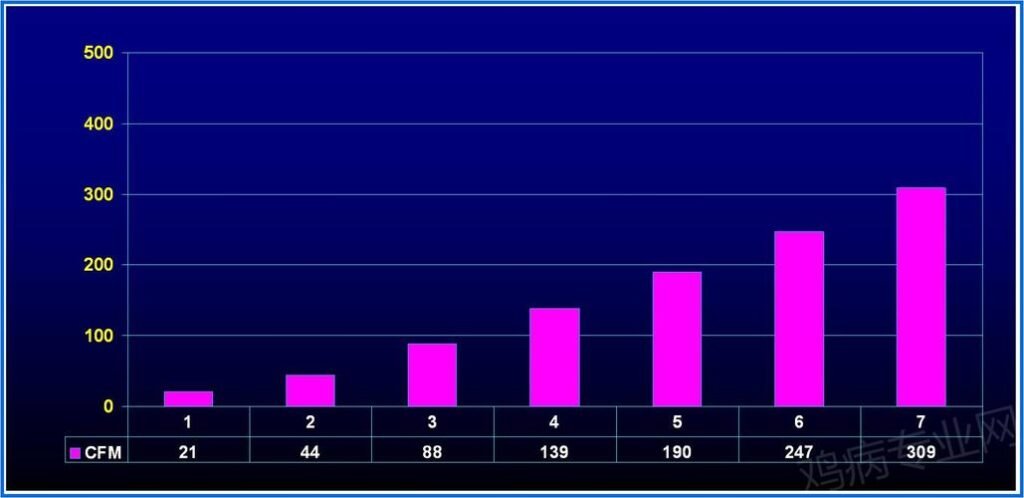
- The Data: Chicks require 280 cm³/hour of oxygen. For a house with 24,000 birds, only 34 m³/hour of fresh air is needed. A standard 36-inch (1m) fan moves 17,000 m³/hour.
- The Insight: Even at 7 weeks, the flock’s oxygen demand is lower than most managers assume. Focus on pulmonary (lung) oxygen, not just room oxygen. Ascites (water belly) is not caused by a lack of oxygen in the air, but by diseased lungs and hearts struggling to transport oxygen into the blood. Ensure clean air (low dust/ammonia) to keep lungs healthy.
II. Carbon Dioxide (CO2) and Performance
- Research Findings:
- 3,000 ppm vs. 6,000 ppm (0-4 weeks): No difference in final body weight or FCR.
- 12,000 ppm: 8% weight difference at 4 weeks; 16% difference at 7 weeks.
- Ascites Risk: Increases slightly from 3,000 to 6,000 ppm; increases significantly from 6,000 to 9,000 ppm.
- Paradox: Birds in high CO2 environments (early weeks) sometimes show better weight gain than those in low CO2. However, the long-term risk of ascites and mortality increases with CO2.
III. Negative Pressure Management
- Principle: Negative pressure is a tool, not a target. It manages the direction of incoming air.
- Goal: Lower is better. High negative pressure reduces fan efficiency and increases stress.
- Execution: Ensure cold air entering the house is pre-heated and mixed at the ceiling before falling to bird level.
IV. Pre-Heating Protocols
- Summer: Pre-heat for 2 days.
- Winter: Pre-heat for 3 days.
- Target: Heat the litter or cage nets, not just the air. Target: Litter 32°C, Floor 28°C, Cage/Nets 28°C+. Heating air alone takes only 6-8 hours; heating the mass takes days.
V. Minimum Ventilation Standards
- Reference Points: Multiple standards exist (CO2, Humidity, Ammonia, Moisture Removal, Temp/Weight). The goal is always air quality.
- System Specifics:
- Floor Systems: Best referenced by moisture removal and humidity.
- Cage Systems: Best referenced by CO2 levels combined with outside temperature and bird weight.
- Consistency: Once you establish a standard that works, do not change it during the flock to maintain stability.
VI. Diagnosing Flock Health
- Mindset Shift: If the flock gets sick, often the house is sick, not just the birds. Treat the environment first.
VII. Summer Cooling Pad Usage
- Purpose: Not just cooling, but maintaining the temperature within a safe upper limit.
- Timing: Crucial. Using pads too early or too late is counterproductive.
VIII. House Sealing
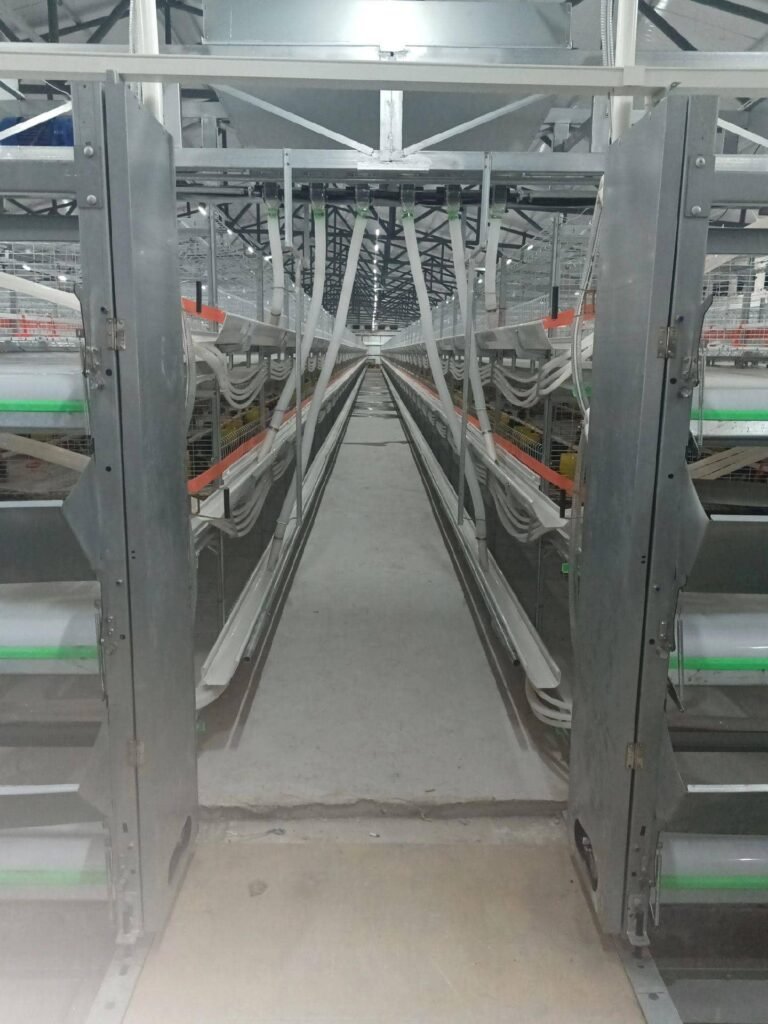
- Priority: Seal the house tightly, always.
- Perspective: Think like a broiler. If the bird needs 34°C and it is 28°C outside, it is “cold”. If it needs 18°C and it is -5°C outside, it is “cold”.
- Solution: Give the bird what it needs. Don’t fight the bird; solve the environmental problem.
Conclusion
In broiler cage farming, success is achieved by managing the environment, not just the birds. Focus on lung health, consistent minimum ventilation, and proper pre-heating to maximize performance.